Attic Storage: Smart Ways to Use Your Home’s Hidden Space
When you think of attic storage, the unused space above your ceiling that’s often ignored until you need extra room. Also known as loft storage, it’s one of the most underused areas in a home—but when done right, it can save you money, reduce clutter, and make moving easier. Most people treat their attic like a dumping ground for old furniture, holiday decorations, or boxes they swear they’ll sort through someday. But without the right approach, attic storage becomes a nightmare of dust, pests, and forgotten items.
Good attic storage, a system designed to protect items from temperature swings, moisture, and pests. Also known as climate-controlled storage when properly insulated, it requires more than just stacking boxes on the floor. You need airflow, sturdy shelving, sealed containers, and clear labeling. Think of it like a mini-warehouse up there. If you’ve ever dug through a pile of boxes only to find mildewed winter coats or warped photo albums, you know why this matters. The same principles that keep warehouse inventory safe apply to your attic—just on a smaller scale. And if you’re planning a move, organized attic storage means fewer surprises when you need to pack up.
It’s not just about saving space—it’s about protecting what matters. Items stored in attics face extreme heat in summer and freezing cold in winter. That’s why moving storage, temporary storage solutions used during relocation to keep belongings secure and accessible. Also known as temporary home storage, it often overlaps with attic use when you’re between houses works best when you use plastic bins with tight seals, not cardboard. Cardboard absorbs moisture, attracts bugs, and falls apart under pressure. Plastic bins with handles? Those are the real MVPs. And don’t forget to label everything. If you can’t find your grandma’s quilts or your kids’ old school projects, what’s the point?
People who use their attic well don’t just store things—they plan for them. They know what goes up there (off-season clothes, holiday decor, backup bedding) and what stays down (important documents, electronics, fragile collectibles). They check for leaks before the rainy season. They install LED lights so they don’t need a flashlight just to find a box. And they don’t cram every inch—they leave space for air to move. That’s how you avoid mold, mildew, and ruined stuff.
Below, you’ll find real advice from people who’ve been there—whether it’s how to organize attic storage for a big move, what to avoid putting up there, or how to turn a cluttered loft into a functional space. No fluff. No theory. Just what works in a real home, with real boxes, real weather, and real deadlines.
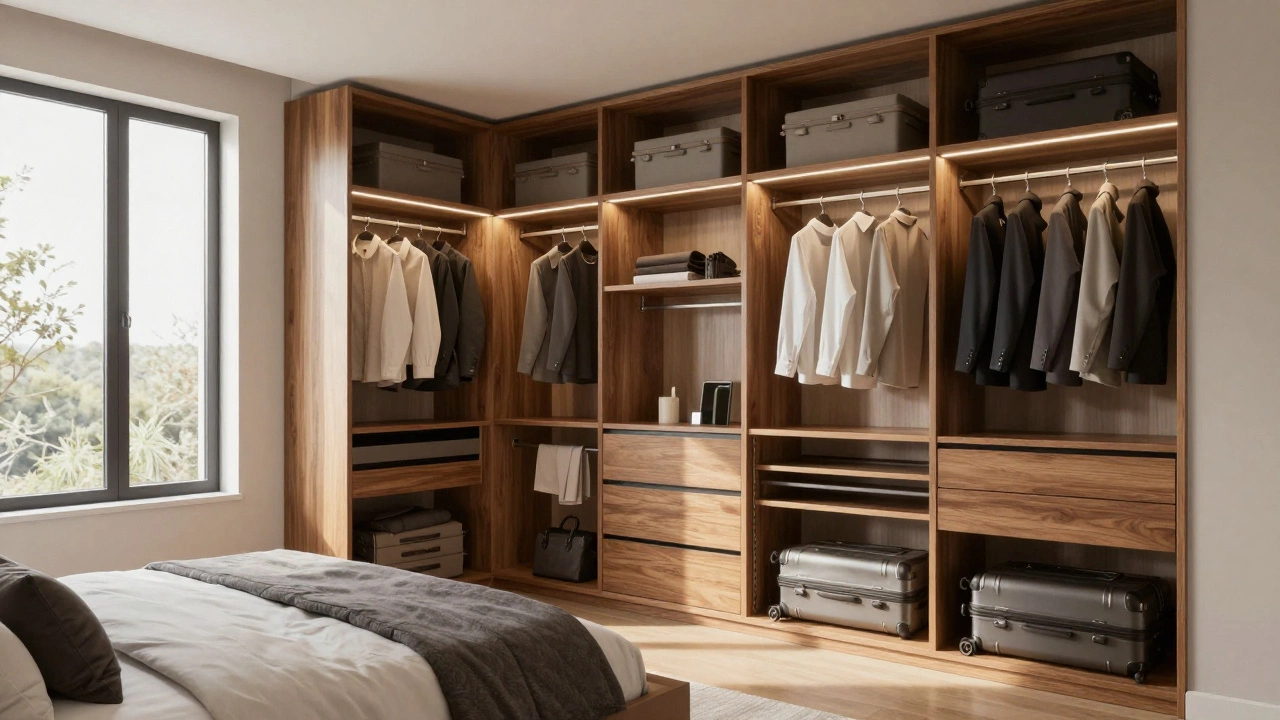
Storage solutions like walk-in closets, attic conversions, and garage organization can significantly increase home value-especially in tight markets like Wellington. Buyers prioritize usable space over aesthetics.
Dec, 8 2025