Should Curtains Touch the Floor? The Ultimate Guide to Hem Lengths
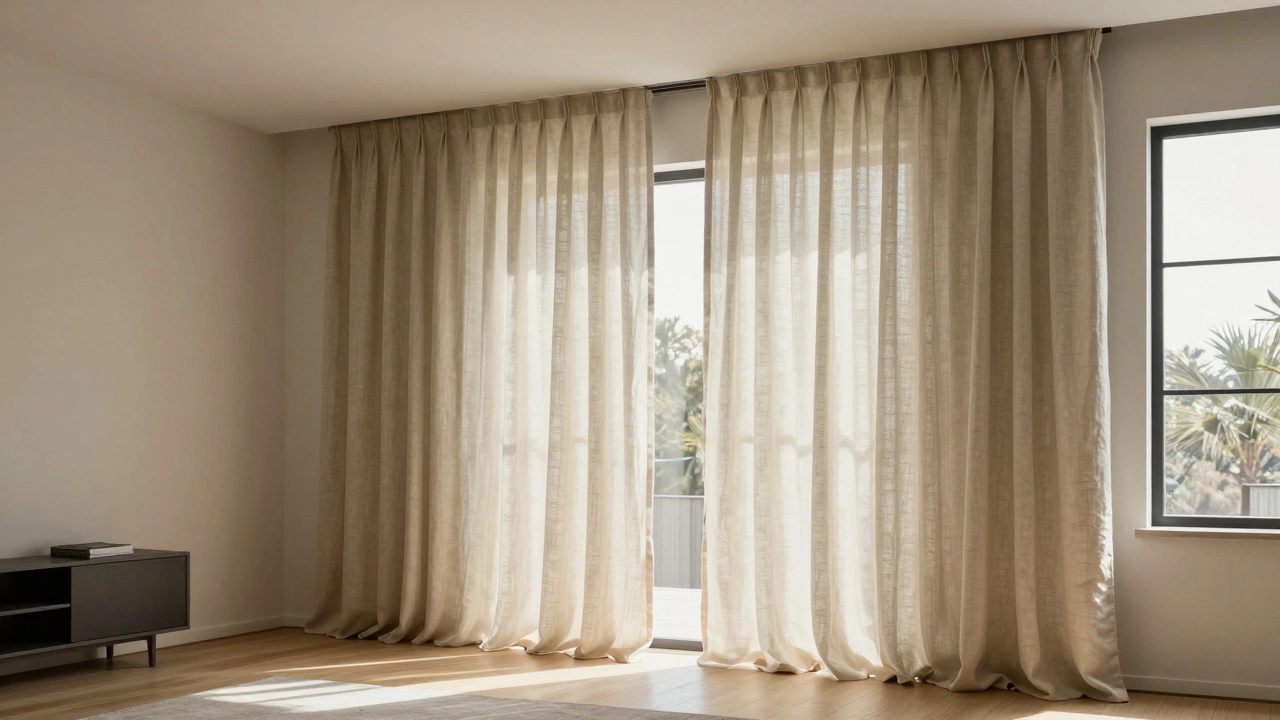
Curtain Length Calculator & Style Finder
Enter your room dimensions below to find the ideal curtain length and discover which style suits your space best.
There is a specific moment in every home renovation or redecoration project where you stand there with a tape measure, a stack of fabric samples, and a growing sense of dread. You have picked the color. You have chosen the pattern. But then comes the question that seems to divide interior designers and homeowners alike: should your curtains actually touch the floor?
It feels like a small detail, but get it wrong, and your room can look unfinished, awkward, or even shorter than it really is. Get it right, and you add instant polish without spending another dollar on paint or furniture. The short answer? Yes, in almost every case, your curtains should reach the floor. But "touching" isn't just one style-it’s a spectrum. Let’s break down exactly how long your drapes should be, why the length matters so much for your room's vibe, and which style fits your actual life.
The Golden Rule: Why Length Matters More Than Fabric
We often obsess over whether velvet looks better than linen or if we need thermal lining. While those choices matter, the length of your curtain is the single biggest factor in how expensive or cheap a room feels. Think about it. When a curtain stops abruptly halfway down the wall, it draws your eye to that empty space below. It cuts the vertical line, making the ceiling feel lower and the walls feel wider.
A full-length drape creates a continuous vertical line from the rod all the way to the ground. This tricks the brain into seeing more height. In a small apartment in Wellington or a suburban house with standard 2.4-meter ceilings, this illusion of height is crucial. It makes the space feel airier and more intentional. Short curtains, unless you are going for a very specific retro 1970s look, tend to make a room feel cluttered and disjointed.
So, the baseline rule is simple: aim for the floor. But "the floor" is not a single point. It is a zone. And within that zone, there are three distinct styles, each with its own personality and practical use case.
Style 1: The Break (The Classic Choice)
This is the most common recommendation from professional stylists. A "break" means the curtain touches the floor and folds slightly over it, creating a soft ripple or pleat at the bottom. Usually, this involves letting the fabric hang about 1 to 2 centimeters past the floor surface.
The Break Style is a curtain length that allows the fabric to rest gently on the floor, creating a subtle fold or ripple. It strikes a balance between elegance and practicality. Unlike the puddle style, it doesn't collect dust aggressively, but unlike the hover style, it doesn't look accidental.
Why do people love this look? Because it signals luxury. High-end hotels and boutique stores use this length because it looks tailored and deliberate. It suggests that someone cared enough to measure precisely. If you want your living room or bedroom to feel calm and sophisticated, the break is your best friend. It works beautifully with heavy fabrics like wool blends or thick cottons that hold their shape well.
However, there is a catch. If you have pets that drag their paws across the floor, or if you vacuum frequently, that slight break can get caught. Also, if your floors are uneven-which they almost always are-that single fold might look lopsided on one side of the window. You need to check your floor level before committing to this precise measurement.
Style 2: The Puddle (The Dramatic Statement)
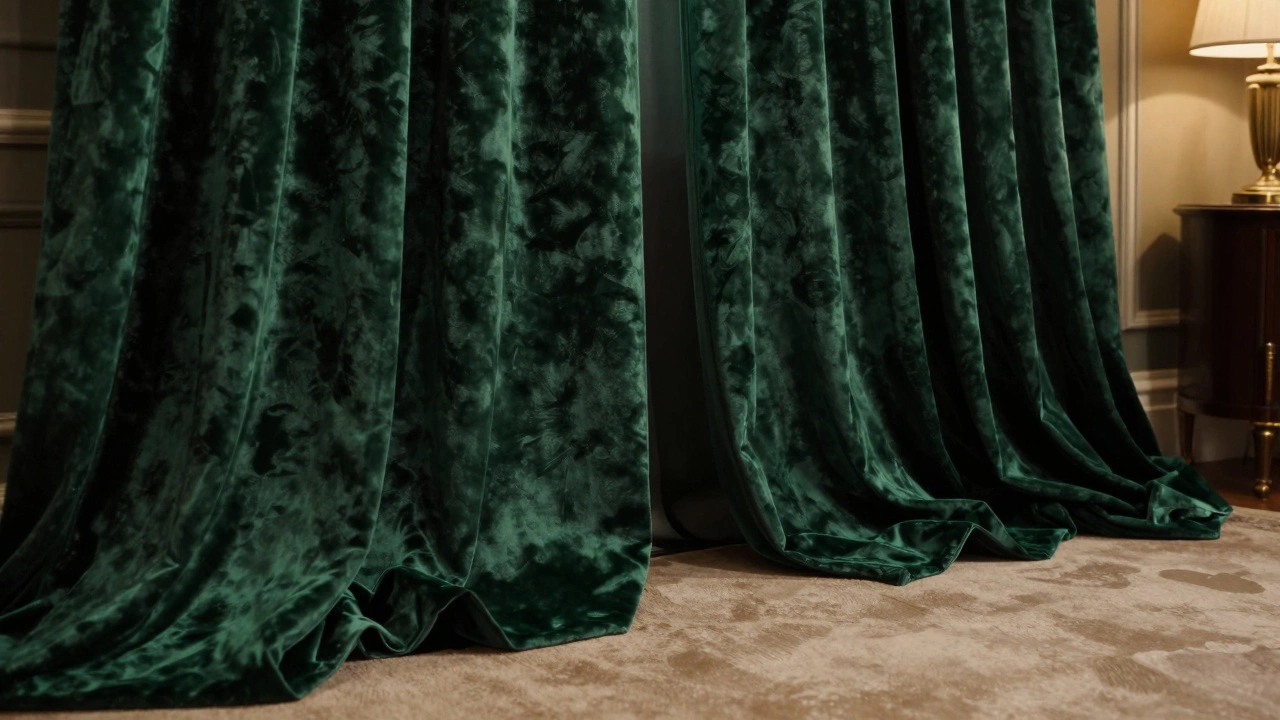
If the break is polite, the puddle is dramatic. This style involves letting the curtain extend significantly beyond the floor-anywhere from 5 centimeters to 30 centimeters or more. The fabric pools on the ground, creating soft, luxurious waves.
This look screams old-world glamour. Think French chateaus or Hollywood Regency interiors. It works exceptionally well in formal dining rooms or master bedrooms where you want to evoke a sense of opulence. It softens hard lines and adds texture to the floor area. If you are using a light, flowy fabric like silk or chiffon, the puddle effect can look ethereal and romantic.
But let’s be real about the maintenance. A puddling curtain is a magnet for dirt, pet hair, and crumbs. If you have dogs, cats, or young children who track mud in from the garden, this style will require frequent dry cleaning or spot cleaning. It also poses a tripping hazard if the puddle is too deep. I’ve seen people trip over their own beautiful damask drapes because they went for a 20-centimeter puddle in a high-traffic hallway. Stick to a shallow puddle (5-10 cm) if you choose this route, and only in low-traffic areas.
Style 3: The Hover (The Practical Solution)
Sometimes, life gets in the way of perfection. Maybe you have a radiator under the window. Maybe you have a wide-plank timber floor that you don’t want covered. Or maybe you just hate the idea of washing your curtains because they touch the ground. Enter the hover.
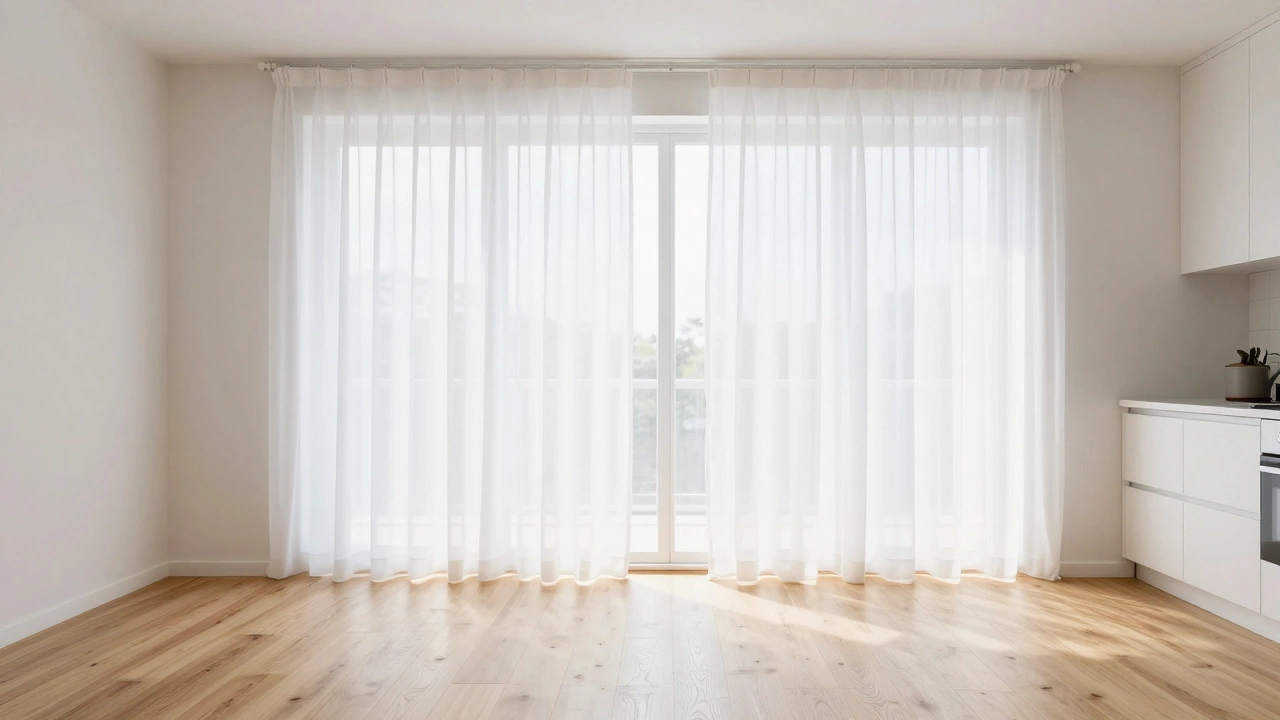
A hovering curtain stops 1 to 2 centimeters above the floor. It doesn’t touch. It floats. This is the most practical option for modern, minimalist homes. It keeps the fabric clean and allows for easy vacuuming. It also works well if you have baseboards or skirting boards that protrude slightly; stopping just above them ensures the curtain hangs straight rather than bending around an obstacle.
The risk here is looking accidental. If the gap is too large (more than 3 cm), it starts to look like the curtains were cut short by mistake. Precision is key. You want the viewer to think, "Oh, they chose to stop there," not "Wow, they forgot to buy enough fabric." To pull this off, ensure your curtain rod is mounted high-close to the ceiling-to compensate for the lack of floor contact. The higher the rod, the more acceptable the hover becomes.
| Style | Length Above/Below Floor | Vibe | Best For | Maintenance Level |
|---|---|---|---|---|
| The Break | 1-2 cm below | Elegant, Tailored | Living Rooms, Bedrooms | Medium |
| The Puddle | 5-30 cm below | Dramatic, Luxurious | Formal Dining, Master Suites | High |
| The Hover | 1-2 cm above | Clean, Modern | Kitchens, High-Traffic Areas | Low |
| Window Sill | 2-3 cm below sill | Functional, Retro | Kitchens, Bathrooms | Low |
When Short Curtains Actually Make Sense
I know I said "aim for the floor," but there are exceptions. In fact, forcing floor-length curtains in certain spaces can look bizarre. Here is when you should break the rule:
- Kitchens: Unless you have a huge island and plenty of counter space, floor-length curtains in a kitchen are a nightmare. They hit the stove, the sink, and the floor. Instead, aim for 2-3 centimeters below the windowsill. This protects your privacy while keeping the workspace clear. Cafe-style curtains (covering only the bottom half of the window) are also a charming, functional alternative here.
- Bathrooms: Similar to kitchens, moisture and functionality rule. Shorter curtains or Roman blinds are better. If you do use drapes, keep them above the tub or shower edge to avoid mildew issues.
- Windows with Radiators: If you have a bulky heater directly under the window, a floor-length curtain will bunch up awkwardly against it. In this case, a hover style that clears the radiator by a few inches is both safer and neater.
- French Doors: These are tricky. If the door opens inward, a floor-length curtain will block the handle or get stuck. A hover style or a tie-back system that keeps the fabric off the floor is essential for functionality.
Measuring Like a Pro: Avoiding Common Mistakes
Even if you know which style you want, measuring incorrectly is the fastest way to ruin the effect. Here is how to get it right:
- Measure from the Rod, Not the Frame: Always measure from the top of the curtain rod (or the bottom of the bracket if using rings) down to your desired landing point. Never measure from the window frame itself. Mounting the rod too low is the number one mistake people make. For maximum height illusion, mount the rod as close to the ceiling as possible, leaving only 10-15 cm of space between the rod and the crown molding or ceiling line.
- Check for Uneven Floors: Walk around the room. Look closely at the floor. Is it perfectly level? In older homes, especially in New Zealand where many houses are built on sloping blocks, floors can slope noticeably. Measure the distance from the rod to the floor at the left, center, and right of the window. Use the shortest measurement if you want a hover, or the longest if you want a break/puddle. If the difference is more than 2 cm, consider having a tailor hem the curtains on a bias or accepting a slight variation in the fold.
- Account for Hardware: If you are buying ready-made curtains, remember that the listed length usually includes the heading tape but not the rod pocket or grommet depth. Check the product specs carefully. A 240 cm curtain might only provide 235 cm of hanging length if it has a deep rod pocket.
- Consider the Stack Back: When you open the curtains, how far do they pile up against the wall? If you have a deep window recess or bulky blinds behind the drapes, you need extra width to ensure the curtains don’t block the glass when open. This doesn’t affect length, but it affects the overall look. Fullness ratio of 2:1 (fabric width is twice the window width) is ideal for a lush drape.
Fabric Weight and How It Affects Length
You can’t talk about length without talking about weight. A lightweight linen curtain behaves differently than a heavy velvet one. Light fabrics flutter and may not hold a crisp "break" as well; they might look wispy and undefined at the bottom. Heavy fabrics hold their shape but can drag heavily if puddled.
If you are going for the break style, medium-weight fabrics like cotton sateen or blended polyesters work best. They have enough structure to create that neat fold without being stiff. For puddles, heavier silks or velvets look magnificent because they pool softly rather than crumpling. For hovers, lighter linens or sheer voiles look airy and intentional.
Also, consider ironing. No matter how perfect the measurement, wrinkles at the bottom ruin the look. Invest in a good steamer. A quick steam pass before hanging can transform a messy hem into a sharp line. If you live in a humid climate like parts of Auckland or Wellington, humidity can cause natural fibers to stretch slightly over time. Re-check your lengths after the first season, especially if you notice the curtains starting to brush the floor when they used to hover.
Final Thoughts on Finding Your Balance
Should your curtains touch the floor? Generally, yes. It elevates the room, hides imperfections in the wall-to-floor transition, and creates a cohesive look. But "touching" is flexible. Choose the break for timeless elegance, the puddle for drama, or the hover for practicality. Measure twice, account for uneven floors, and prioritize the function of the room. Your curtains should serve your lifestyle, not just a Pinterest board.
How much should curtains overlap in the middle?
For a seamless look when closed, your curtains should overlap by at least 4 to 6 inches (10-15 cm) in the center. This prevents light from leaking through the gap and ensures the fabric hangs smoothly without pulling taut across the window. If you have wide windows, consider using two separate panels that meet in the middle rather than one continuous piece, ensuring the overlap is sufficient.
Can I use floor-length curtains in a small room?
Absolutely. In fact, floor-length curtains are recommended for small rooms because they create a vertical line that draws the eye upward, making the ceiling appear higher. To maximize this effect, mount the curtain rod as close to the ceiling as possible and let the curtains touch the floor. Avoid short curtains, which chop up the visual space and make the room feel smaller.
What is the best curtain length for a kitchen window?
In kitchens, functionality usually wins. The best length is typically 2-3 centimeters below the windowsill. This keeps the fabric away from countertops, sinks, and stoves. Cafe-style curtains, which cover only the bottom half of the window, are also popular for maintaining privacy while allowing light in. Avoid floor-length curtains in kitchens unless you have a dedicated dining area with no counters nearby.
How do I deal with uneven floors when hanging curtains?
First, measure the distance from the rod to the floor at multiple points along the window. If the variance is minor (less than 1 cm), you can usually ignore it. If it’s significant, decide on your priority: if you want a hover, measure to the highest point of the floor to ensure clearance everywhere. If you want a break or puddle, measure to the lowest point to ensure the fabric reaches the floor consistently. For extreme slopes, custom-tailored curtains with a graded hem may be necessary.
Do I need to iron my curtains before hanging them?
Yes, especially if you are aiming for a crisp break or a neat hover. Wrinkles at the hem can make the length look inconsistent and sloppy. Steam or iron the bottom 30-40 centimeters of the curtain before hanging. This helps the fabric settle into its final shape and ensures the hemline appears straight and intentional.