Should Curtains Touch the Floor? The Definitive Guide to Curtain Lengths

Curtain Length Visualizer
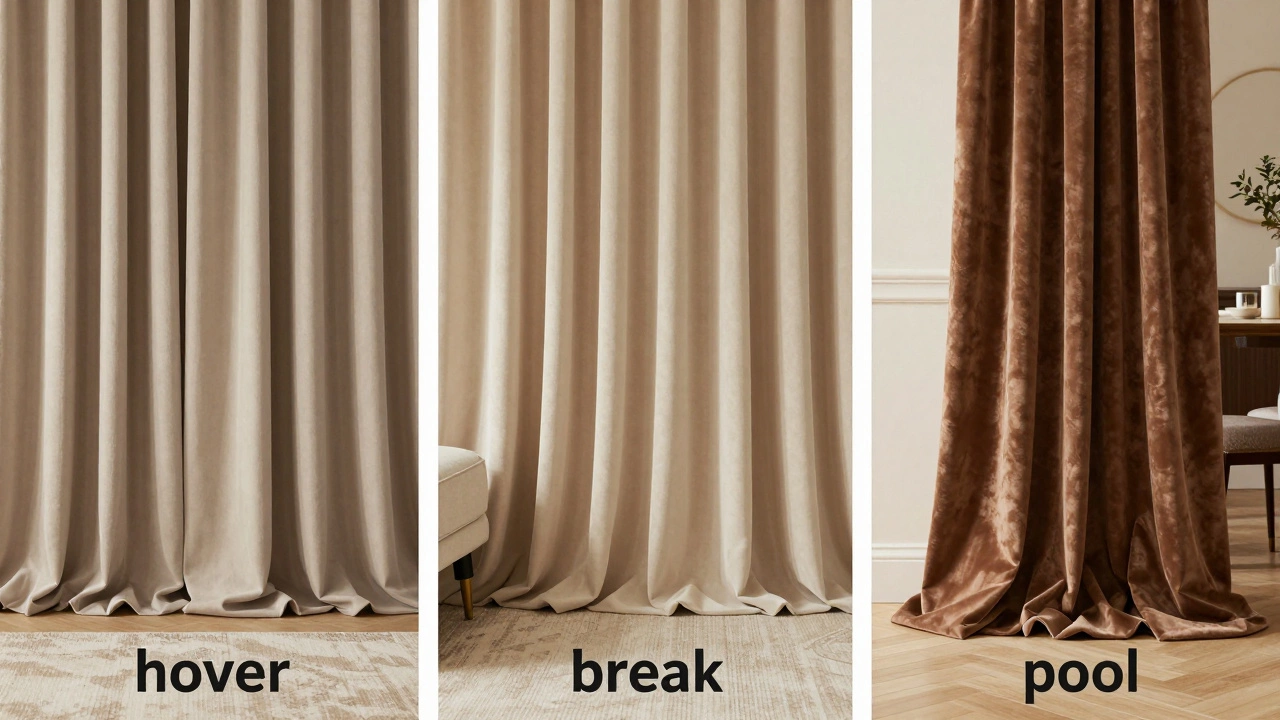
The Hover Style
This is the sweet spot for most homes. The curtain hovers just barely off the ground. It looks intentional, clean, and works with both bare floors and low-pile rugs. It prevents tripping hazards and keeps the fabric cleaner.
There is a specific moment of panic that hits every homeowner when they hang new curtains. You pull back the fabric, look down at the hem, and suddenly you are questioning your entire life’s decisions. Is it too short? Does it pool on the carpet like a sad puddle? Or worse, does it stop awkwardly in the middle of the window frame? This single detail-the length of your curtains window treatments used for privacy, light control, and aesthetic enhancement-can make or break the look of a room.
The short answer to "should curtains touch the floor" is yes, almost always. But the long answer depends entirely on the style of your home, the function of the room, and how much you hate vacuuming. Let’s cut through the noise and figure out exactly where that hem should sit.
The Golden Rule: Why Floor-Length Works
In modern interior design, the default setting for living rooms, bedrooms, and dining areas is for curtains to reach the floor. Specifically, we aren’t talking about dragging them through dust bunnies; we are talking about a precise half-inch gap above the baseboard or flooring.
This style is often called the "hover" or "just-kiss" length. It creates a vertical line that draws the eye upward, making ceilings appear higher and windows look larger. If you stop the curtain at the sill (the bottom of the window frame), you visually chop the wall in half. It looks like you forgot to buy enough fabric. By extending the curtain to the floor, you create a sense of continuity and elegance.
Think about high-end hotels or boutique shops. Do you ever see their curtains stopping at the window sill? No. They flow all the way down. That is because the human brain associates continuous vertical lines with luxury and space. Stopping short feels casual, sometimes even accidental.
The Three Main Hem Heights Explained
Not every room demands the same treatment. Here are the three standard lengths you need to know, ranked from most formal to most functional.
- The Hover (1/2 inch above floor): This is the sweet spot for most homes. The curtain hovers just barely off the ground. It looks intentional, clean, and works with both bare floors and low-pile rugs. It prevents tripping hazards and keeps the fabric cleaner than if it were touching the dust.
- The Break (Touching the floor): Here, the curtain rests lightly on the floor without bunching up. This gives a softer, more relaxed vibe. It works well in cozy bedrooms or reading nooks but can look messy if the fabric is heavy or if you have pets that track in dirt.
- The Pool (1-3 inches on the floor): This is the dramatic option. The fabric pools slightly on the floor. It screams "formal" and "traditional." Use this in a grand foyer, a formal dining room, or a master bedroom with a luxurious aesthetic. Avoid this in high-traffic areas or homes with dogs, as it will get dirty fast.
When Shorter Curtains Make Sense
While the hover rule applies to 90% of scenarios, there are exceptions. Sometimes, shorter curtains are not just acceptable-they are preferred.
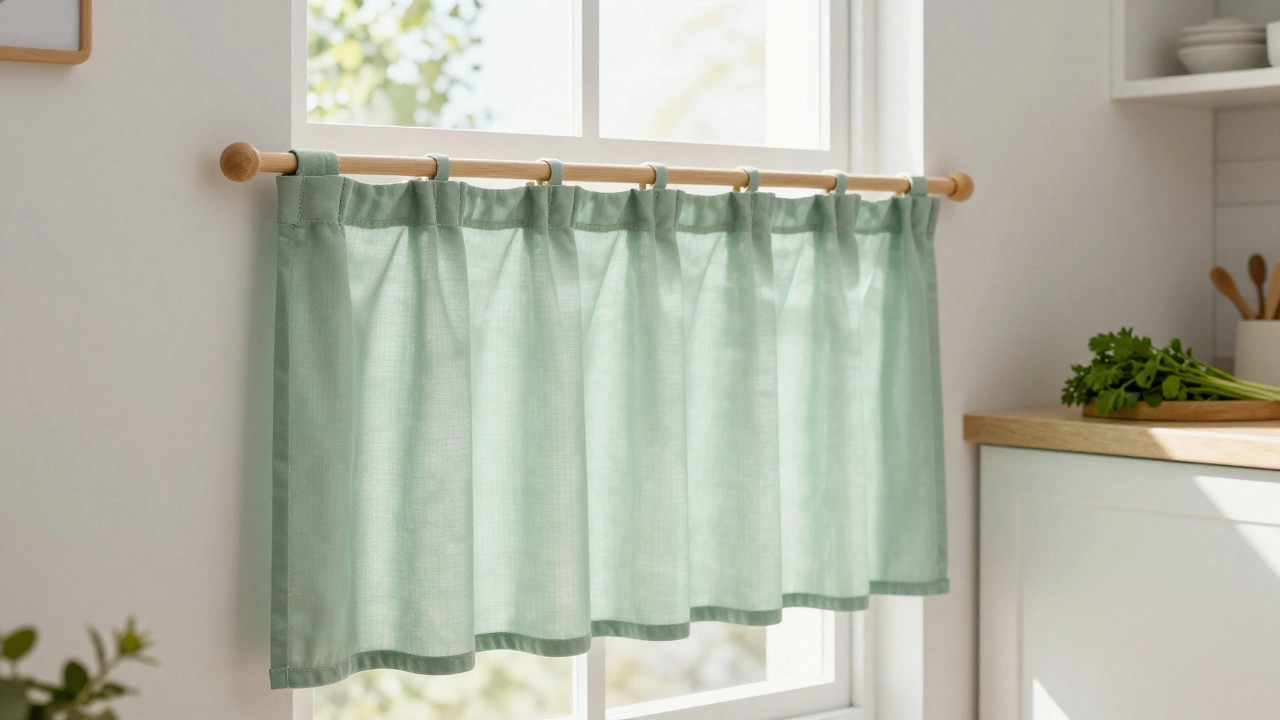
Kitchens and Bathrooms: In these spaces, functionality beats form. You don’t want long drapes getting splashed by sink water or catching on toilet paper rolls. For kitchens, consider cafe curtains short curtains that cover only the lower half of a window, typically tied back at the top. These cover the view into your kitchen while letting light in from the top pane. In bathrooms, roman shades or short panels that stop at the sill keep things tidy and easy to wash.
Casual or Cottage Styles: If you are going for a rustic, farmhouse, or cottage-core look, slightly shorter curtains (stopping 2-4 inches below the sill) can work. This emphasizes the window itself rather than framing the whole wall. However, be careful. If you go this route, ensure the width is correct so it doesn’t look like a mistake.
Children’s Rooms: Safety and practicality win here. Long curtains can be tripped over or pulled down by curious toddlers. Shorter curtains or blinds are safer and easier to clean when juice boxes inevitably spill.
Common Mistakes to Avoid
I have seen many well-meaning homeowners ruin a beautiful room with poor curtain placement. Here are the pitfalls to dodge.
- The "Sill Stop": Unless you are doing a very specific traditional look, do not let the curtain end exactly at the window sill. It makes the ceiling look lower and the room feel cramped. If you must stop at the sill, go for cafe curtains instead.
- The "Mid-Air" Gap: There is nothing worse than a curtain that stops 6 inches above the floor. It looks like the fabric shrank in the wash. If your curtains are too short, add a board at the bottom or take them to a tailor. Do not leave them hanging in limbo.
- Ignoring the Rod Height: Curtain length isn’t just about the bottom; it’s about the top. To make the hover effect work, mount your rod high-ideally 4-6 inches above the window frame, or halfway between the window and the ceiling. High rod + floor-length curtain = maximum height illusion.
How to Measure for the Perfect Fit
Getting the length right starts with accurate measuring. Don’t guess. Grab a tape measure.
- Determine the Mount Point: Decide where the rod will go. Measure from the top of the rod bracket (not the rod itself) down to the floor.
- Subtract the Desired Gap: If you want the hover look, subtract 1/2 inch from that total measurement. If you want them to touch, use the full measurement. If you want pooling, add 2 inches.
- Check for Obstructions: Are there radiators, window seats, or built-in shelves in the way? If so, your curtain needs to clear those obstacles. You may need a custom length or a special mounting bracket to angle the curtain away from the obstruction.
- Consider the Fabric Weight: Heavy fabrics like velvet or linen blend will stretch slightly over time. Light synthetics hold their shape better. If buying ready-made curtains, size up slightly if the fabric is heavy.
| Style Name | Hem Position | Best For | Maintenance Level |
|---|---|---|---|
| Hover | 1/2" above floor | Living rooms, modern homes | Low |
| Break | Touching floor | Bedrooms, cozy spaces | Medium |
| Pool | 1-3" on floor | Formal dining, foyers | High |
| Sill | At window sill | Kitchens, bathrooms | Low |
Fabric Matters More Than You Think
The material of your drapery fabric textile material used for window coverings, affecting drape, light filtration, and durability changes how the length looks. A stiff cotton might hold a sharp hemline perfectly, while a flowing silk will ripple and move. If you choose a sheer or lightweight fabric, the hover effect is crucial because pooling sheers can look tangled and cheap. Heavier fabrics like velvet handle pooling much better because they hold their structure.
Also, consider the color. Dark-colored curtains on a light floor will show dust and scuffs immediately if they touch the ground. Light-colored curtains on dark hardwoods might hide minor contact better. Match your maintenance habits to your fabric choice.
FAQ: Your Burning Questions Answered
Do curtains look better on the floor or above?
For most living rooms and bedrooms, curtains that hover 1/2 inch above the floor look best. This length appears intentional, clean, and elegant without the messiness of fabric touching the dust. It also prevents tripping and makes vacuuming easier.
Can I hang curtains above the window sill?
Yes, but generally only in kitchens or bathrooms. Hanging curtains that stop at the sill in a living room or bedroom can make the ceiling look lower and the room feel smaller. If you want a casual look, try cafe curtains which cover only the bottom half of the window.
What is the ideal curtain length for a bedroom?
The ideal bedroom curtain length is usually the "hover" or "break" style. Hovering 1/2 inch above the floor keeps things tidy, while breaking (touching the floor) adds a soft, cozy feel. Avoid pooling unless you have a very formal, low-traffic master suite.
How do I fix curtains that are too short?
If your curtains are slightly short, you can sew a board or fabric strip to the bottom hem to extend them. For a quick fix, some people use magnetic weights inside the hem to pull the fabric down, though this can look uneven. The best solution is to take them to a tailor for a professional extension.
Should curtains touch the floor if I have a rug?
Yes, but measure to the top of the rug pile, not the floor underneath. If your rug is thick, you may need to adjust the hem so the curtain hovers 1/2 inch above the rug surface. This prevents the curtain from catching on the rug fibers and looking messy.