Same Day Delivery: How It Works, Costs, and Where to Find It in 2026
Same Day Delivery Cost & Provider Calculator
Estimate delivery costs and compare providers for your specific situation
Have you ever stared at your phone, realizing you forgot a birthday gift or that the office printer is out of toner, and wondered if help could arrive before lunch? For years, the answer was a hard no. You’d wait two days for standard shipping or pay a premium for next-day service. But today, the landscape has shifted dramatically. Same day delivery is no longer a luxury reserved for emergency medical supplies; it’s becoming the new baseline for consumer expectations and business operations alike.
In 2026, getting something delivered within hours is possible in most major urban centers and increasingly available in suburban areas. However, it’s not magic-it’s a complex logistical dance involving local warehouses, gig-economy couriers, and sophisticated routing software. Understanding how this system works, what it costs, and where it’s available can save you time, money, and a lot of stress.
How Same Day Delivery Actually Works
To understand why same day delivery is so fast, you have to look behind the curtain of traditional shipping. Standard parcels travel through massive regional hubs, often crossing state or even national lines before reaching their destination. This process takes days because packages are batched together for efficiency.
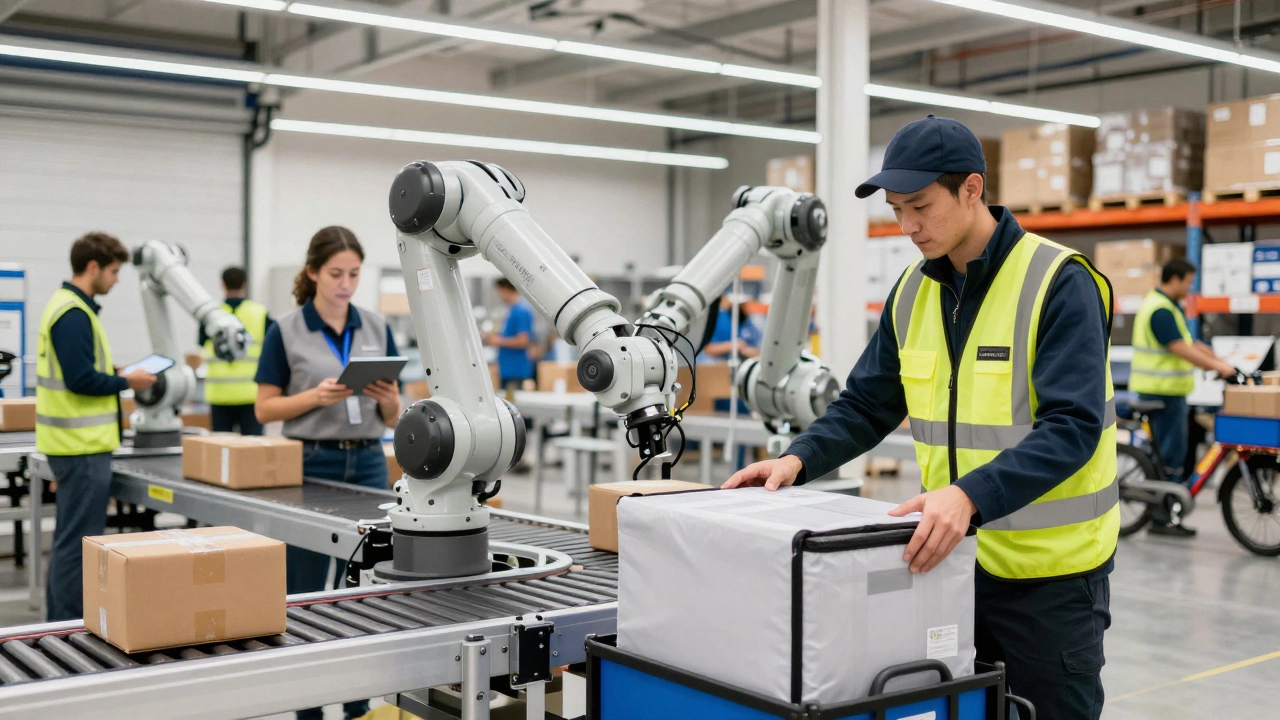
Same day delivery is a logistics model where items are picked up, processed, and delivered to the recipient on the same calendar day they are ordered. The key difference here is proximity. Instead of sending a package from a central warehouse thousands of miles away, retailers use micro-fulfillment centers located directly within city limits. These small facilities hold high-demand inventory, allowing orders to be packed and handed off to a local courier almost immediately.
The process typically follows three distinct steps:
- Order Placement & Validation: When you click buy, the system checks real-time inventory at the nearest micro-hub. If the item isn’t there, same day delivery is usually impossible unless a nearby store has stock.
- Pick and Pack: Warehouse staff retrieve the item and pack it securely. In advanced setups, robots might assist in locating the product, but human oversight remains crucial for quality control.
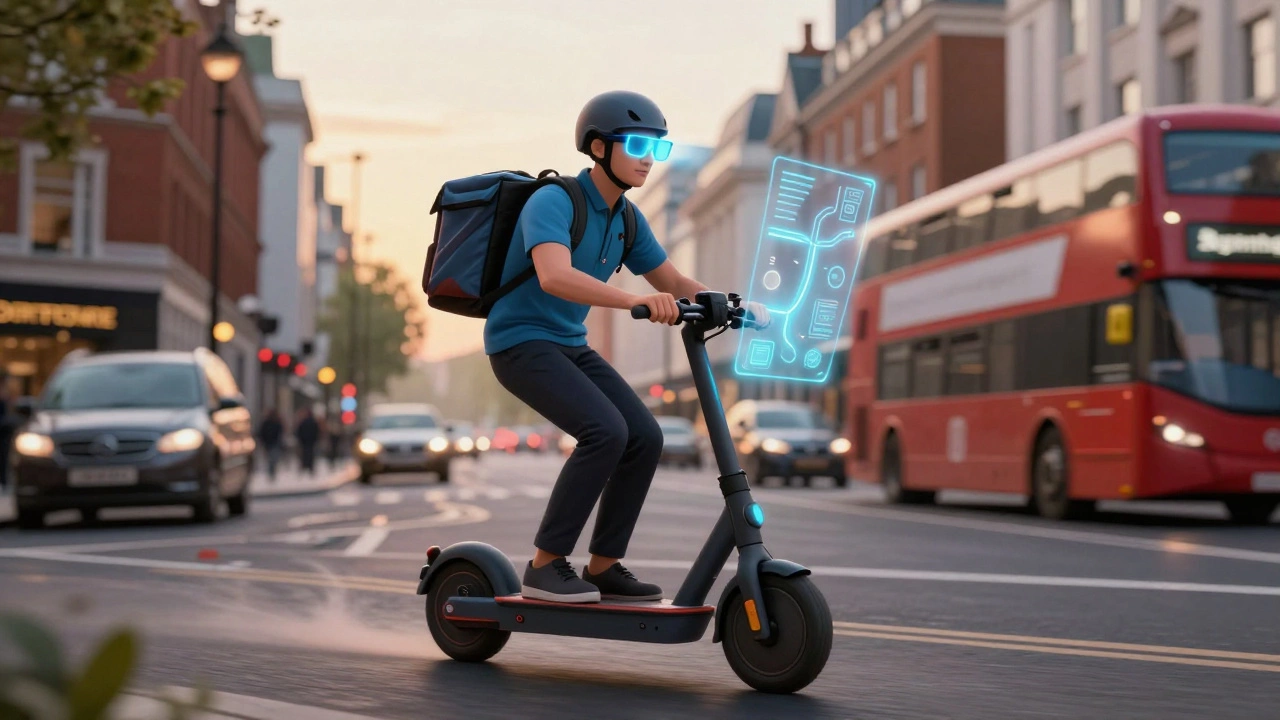
- Last-Mile Dispatch: A courier-often using an electric bike, scooter, or van-is assigned the route. Algorithms optimize the path to ensure the fastest possible arrival, avoiding traffic hotspots and construction zones.
This speed comes at a cost. Because these services prioritize speed over volume, they cannot rely on the economies of scale that traditional carriers enjoy. That’s why the price tag is higher, but for many customers, the convenience outweighs the expense.
Who Offers Same Day Delivery?
You don’t need to look far to find options. Several types of players dominate this space, each with different strengths depending on what you’re trying to send or receive.
| Provider Type | Best For | Typical Cost Range | Coverage Area |
|---|---|---|---|
| Amazon Prime | Retail goods, electronics, household essentials | $9.99 - $14.99 per order (or free with subscription) | Major metropolitan areas only |
| Uber Connect / DoorDash | Personal items, documents, restaurant food | $5 - $15 + tip | Urban and dense suburban zones |
| Local Courier Services | Bulkier items, B2B shipments, fragile goods | $20 - $50+ depending on distance | City-wide and regional |
| Retailer-Specific Programs | Specific brands (e.g., Apple, Best Buy) | Varies by retailer policy | Near physical store locations |
Gig economy apps like Uber Connect have democratized same day delivery for individuals. You can ask a driver to pick up a document from a friend’s house or grab a specific part from a hardware store. On the other hand, dedicated logistics companies offer more reliability for businesses that need guaranteed delivery windows and insurance coverage for high-value items.
The Real Cost of Speed
Let’s talk numbers. Why does same day delivery cost more? It boils down to labor and fuel. Traditional shipping spreads the cost of a truck driver across hundreds of packages. Same day delivery often dedicates one vehicle or rider to just a few stops. Additionally, the infrastructure required to maintain micro-warehouses in expensive urban real estate drives up operational costs.
For consumers, the price varies significantly based on location and item size. In dense cities like New York, London, or Wellington, competition among couriers keeps prices relatively low, often under $10 for small items. However, if you live in a sprawling suburb or rural area, the "last mile" becomes much longer, and costs can skyrocket to $30 or more.
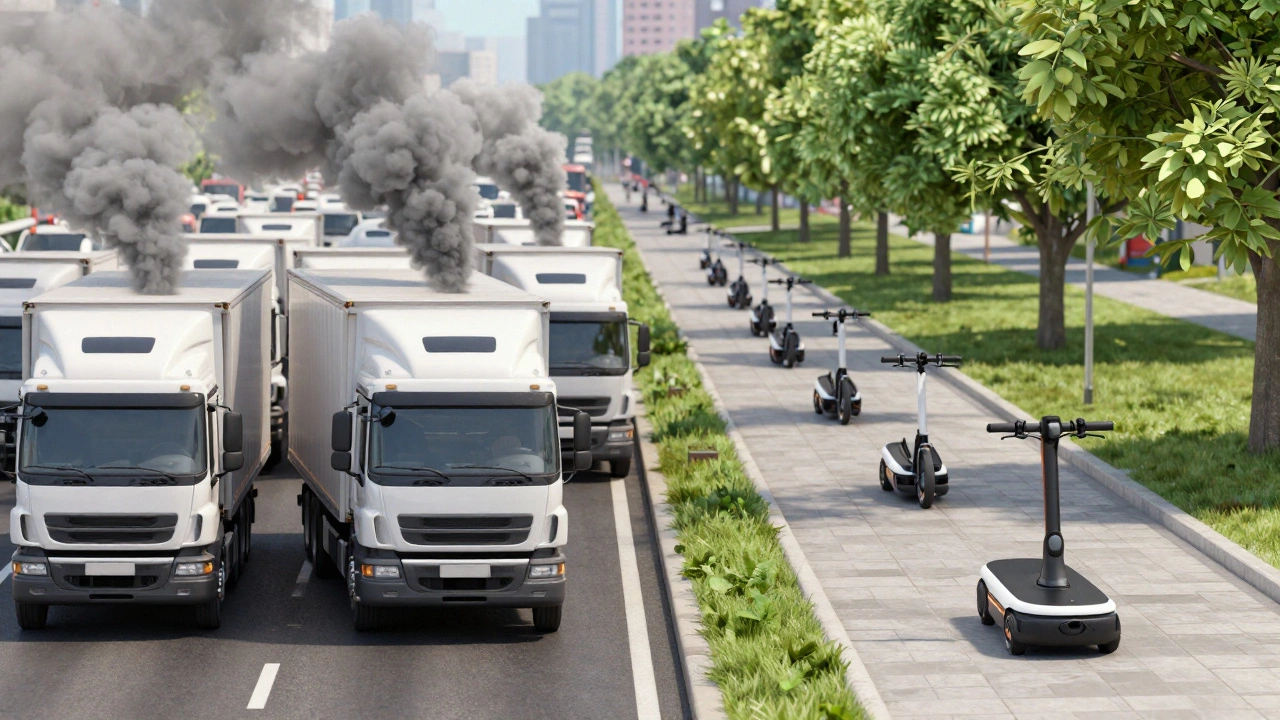
There’s also a hidden cost: environmental impact. While many providers are switching to electric vehicles, the sheer number of individual trips required for same day delivery increases carbon emissions compared to consolidated shipping. Some cities are now implementing congestion charges or low-emission zones, which may further increase prices in the coming years.
When Should You Use Same Day Delivery?
Not every package needs to arrive in four hours. Using same day delivery wisely means understanding when the benefit justifies the cost. Here are some common scenarios where it makes sense:
- Emergency Repairs: Your HVAC unit breaks down in summer, or your laptop dies before a major presentation. Waiting three days isn’t an option.
- Forgotten Gifts: Birthdays, anniversaries, or holidays slip your mind until the morning of. Same day delivery can save your reputation.
- Business Continuity: A restaurant runs out of a key ingredient, or a law firm needs original contracts signed and returned urgently.
- High-Value Items: Sending jewelry or sensitive documents reduces the risk of loss or theft associated with long transit times.
Conversely, if you’re buying non-essential items like books, clothing, or home decor, sticking with standard shipping is usually the smarter financial choice. The savings add up quickly over time.
Limitations and Pitfalls
Despite its popularity, same day delivery isn’t foolproof. One of the biggest challenges is geographic limitation. Most services operate within a radius of 10-20 miles from a hub. If you’re outside that zone, you’re out of luck. Even within the zone, weather conditions, traffic accidents, or strikes can delay deliveries.
Another issue is customer availability. Many same day services require someone to be present to sign for the package. If you’re stuck at work, you might miss the window entirely. Some providers offer lockbox installations or secure drop-off points, but these aren’t universal.
Finally, returns can be complicated. Returning an item bought with same day delivery often doesn’t qualify for immediate refund processing. You might still need to mail the return back via standard post, negating some of the initial convenience.
The Future of Instant Logistics
We’re only scratching the surface of what’s possible. Autonomous drones and sidewalk robots are already being tested in select neighborhoods for ultra-local deliveries. Imagine ordering a sandwich and having a drone drop it off in ten minutes. While regulatory hurdles remain, technology is moving fast.
Additionally, artificial intelligence is improving demand forecasting. Retailers are getting better at predicting what you’ll want before you even order it, stocking micro-warehouses accordingly. This proactive approach will likely reduce costs and expand coverage areas in the near future.
As these technologies mature, same day delivery will transition from a premium service to a standard expectation. Businesses that fail to adapt risk losing customers to competitors who can deliver faster. For consumers, the question won’t be whether you *can* get same day delivery, but whether you *should*.
Is same day delivery available everywhere?
No, same day delivery is primarily limited to urban and densely populated suburban areas. Rural regions and remote locations rarely have access due to the high cost of maintaining local infrastructure and courier networks. Always check the service provider's coverage map before ordering.
How much does same day delivery cost?
Costs vary widely depending on the provider, distance, and item size. Generally, expect to pay between $5 and $15 for small personal items in cities. Larger items or those requiring specialized handling can cost $20 to $50 or more. Subscription services like Amazon Prime may offer reduced rates or free same day delivery on eligible orders.
Can I track my same day delivery in real-time?
Yes, most modern same day delivery services provide real-time GPS tracking. You’ll receive notifications when your order is picked up, when the courier is en route, and when they arrive. Some apps even allow you to chat directly with the driver for specific instructions.
What happens if my same day delivery is late?
Policies vary by provider. Many offer partial refunds or credits if the delivery misses its promised window. For critical business shipments, some companies guarantee on-time arrival with full refunds for failures. Always read the terms and conditions regarding delays and compensation before placing an urgent order.
Are there environmental concerns with same day delivery?
Yes, same day delivery generally has a higher carbon footprint than consolidated shipping because it involves more individual trips and less efficient loading. However, many providers are mitigating this by using electric bikes, scooters, and vans. Choosing consolidated delivery options when possible helps reduce environmental impact.