Is Logistics a Stressful Job? The Real Truth About Pressure in Supply Chain Careers

Logistics Stress Level Calculator
Select Your Role
Click the role that matches your current or desired position.
Your Assessment
Mitigation Strategy:
...
Picture this: It’s 4:00 PM on a Friday. A container ship is delayed by two days due to port congestion. Your client needs those parts by Monday morning to keep their assembly line running. Your phone won’t stop ringing. This isn’t just a bad day; for many people in logistics is the management of the flow of goods from origin to consumption, it’s Tuesday.
You might be considering a career move into supply chain roles, or maybe you’re already deep in the trenches and wondering if this level of anxiety is normal. The short answer is yes, logistics can be incredibly stressful. But it’s not all doom and gloom. The stress comes from specific sources, and understanding them helps you decide if this industry is right for you-or how to survive it if you’re already there.
The Nature of Logistics Stress
Logistics is often described as a "pressure cooker" industry, and that metaphor holds water. Unlike creative fields where deadlines might be flexible, logistics operates on rigid timelines dictated by physics, geography, and customer expectations. When a truck breaks down, it doesn’t just mean a late arrival; it can mean spoiled food, halted manufacturing, or missed holiday sales.
The core of the stress lies in the unpredictability. You plan for perfect conditions, but reality rarely delivers. Weather events, border closures, labor strikes, and mechanical failures are constant threats. According to recent industry surveys, over 70% of logistics professionals cite "unpredictable disruptions" as their primary source of work-related anxiety. You are constantly managing risk, and that mental load is heavy.
High-Stress Roles Within Logistics
Not every job in logistics carries the same weight. Some roles are inherently more volatile than others. If you’re looking to enter the field, knowing which positions carry the most pressure can help you make an informed choice.
- Dispatchers: They are the nerve center. Dispatchers talk to drivers, customers, and traffic control simultaneously. One minute they’re calming an angry client, the next they’re rerouting a driver around a flood. The cognitive switching required here is intense.
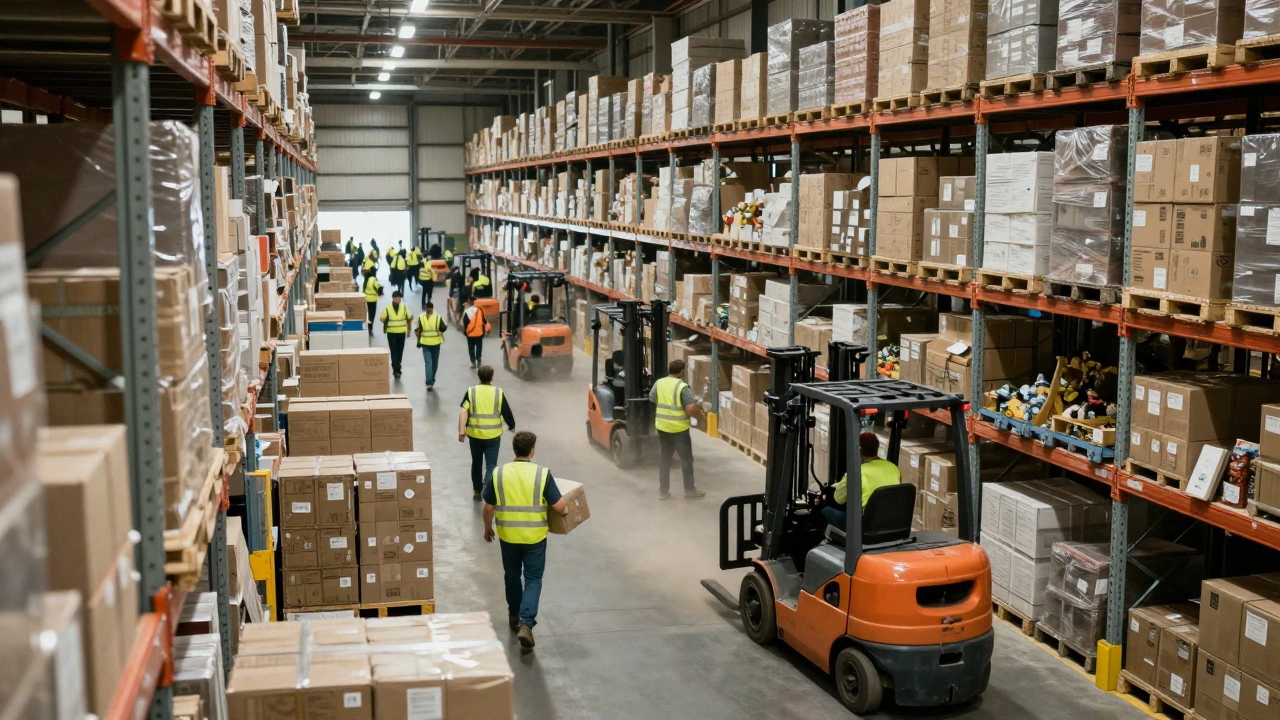
- Warehouse Managers: During peak seasons like Black Friday or Christmas, warehouse managers face immense pressure to meet shipping targets while ensuring safety. The margin for error is slim, and the consequences of mistakes are immediate.
- Freight Forwarders: These professionals navigate complex international regulations. A small paperwork error can result in containers being stuck at customs for weeks, costing thousands of dollars per day. The financial stakes create significant psychological pressure.
- Last-Mile Delivery Drivers: While physically demanding, the stress here comes from time constraints. With consumers expecting same-day delivery, drivers face relentless schedules, difficult parking situations, and the physical toll of lifting heavy packages repeatedly.
Why Is Logistics So High-Pressure?
To understand the stress, you have to look at the structural factors driving it. It’s not just about personality types; the industry itself has changed dramatically.
The Rise of E-commerce: The explosion of online shopping has shattered traditional delivery windows. Customers now expect free, fast, and trackable deliveries. This shift has placed enormous strain on logistics networks, forcing companies to operate with thinner margins and tighter timelines. The "Amazon Effect" has made speed the default expectation, leaving little room for error.
Technology Dependence: Modern logistics relies heavily on software platforms like Transportation Management Systems (TMS) and Warehouse Management Systems (WMS). While these tools streamline operations, they also create new stressors. System crashes, data errors, or integration issues can bring entire operations to a halt. Workers must be tech-savvy and ready to troubleshoot under pressure.
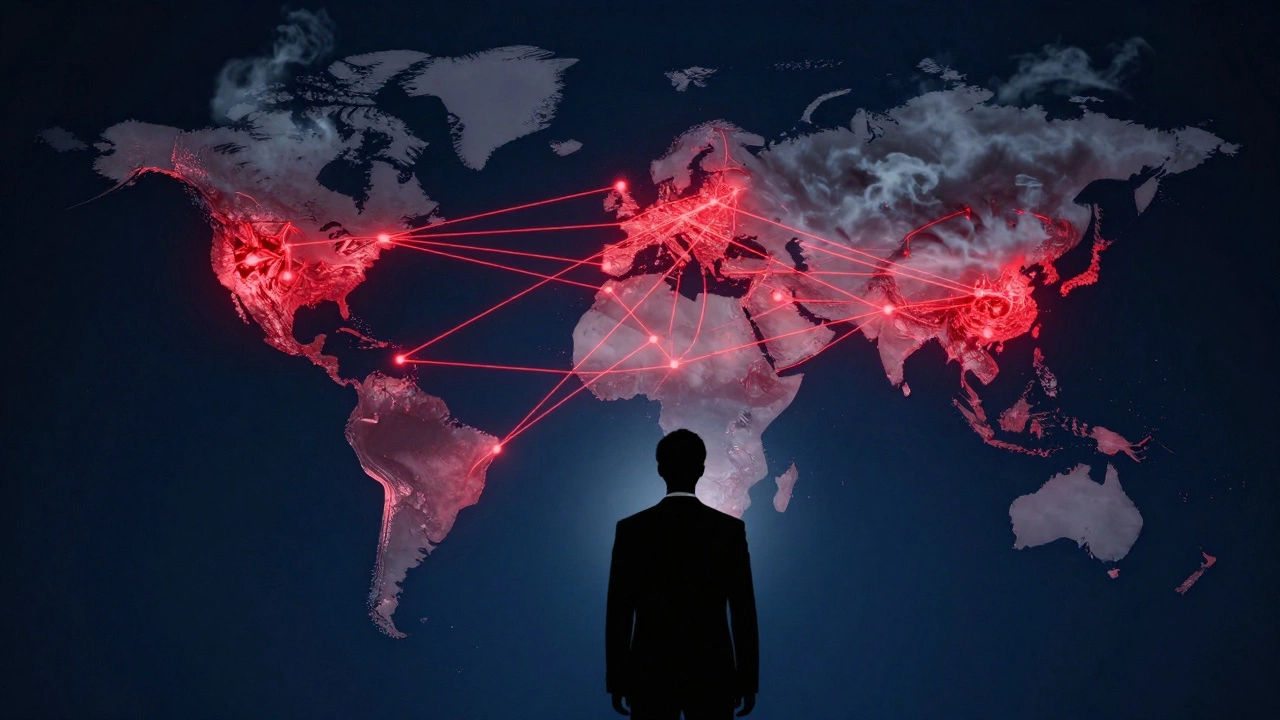
Global Complexity: Globalization means that a problem in one part of the world can ripple across continents. The 2021 Suez Canal blockage and subsequent port congestions highlighted how fragile global supply chains are. Professionals must monitor geopolitical events, fuel prices, and regulatory changes constantly.
| Role | Primary Stressor | Frequency of Crisis | Mitigation Strategy |
|---|---|---|---|
| Dispatcher | Real-time decision making | Daily | Automated routing tools |
| Warehouse Manager | Peak season volume | Seasonal | Staffing planning & overtime budgets |
| Freight Forwarder | Regulatory compliance | Weekly | Compliance software checks |
| Delivery Driver | Time pressure | Daily | Route optimization apps |
The Human Cost: Burnout and Turnover
When stress becomes chronic, it leads to burnout. In logistics, burnout manifests as emotional exhaustion, cynicism toward clients, and reduced professional efficacy. The turnover rate in entry-level logistics roles is notoriously high, often exceeding 30% annually in some sectors.
This churn creates a vicious cycle. Experienced workers leave because of stress, leading to understaffing, which increases the workload for remaining employees, causing more stress. For employers, this results in higher recruitment costs and operational inefficiencies. For employees, it means job insecurity and a lack of mentorship.
Mental health awareness is slowly improving in the industry. Companies are beginning to offer wellness programs, flexible scheduling, and better communication channels. However, the fundamental nature of the work-managing unpredictable flows-means that some level of stress will always exist.
Strategies for Managing Logistics Stress
If you’re in logistics, you can’t eliminate stress, but you can manage it. Here are practical strategies used by seasoned professionals to stay sane in a chaotic environment.
- Embrace Technology: Use automation wherever possible. Tools that automate tracking updates, route planning, and inventory counts reduce the manual burden and minimize human error. Let machines handle the repetitive tasks so you can focus on problem-solving.
- Set Boundaries: It’s tempting to answer every call, but constant availability leads to burnout. Establish clear protocols for after-hours emergencies. Not every issue requires your immediate attention at 9 PM.
- Build Redundancy: In planning, always have a backup. If one carrier fails, who’s next? If one supplier goes down, do you have alternatives? Having contingency plans reduces the panic when things go wrong.
- Communicate Proactively: Bad news travels fast. Inform clients and stakeholders early about potential delays. Transparency builds trust and reduces the number of frantic calls you receive later.
- Prioritize Self-Care: Exercise, sleep, and hobbies aren’t luxuries; they’re necessities. A tired brain makes poor decisions, which in logistics can be costly. Protect your downtime fiercely.
Is Logistics Still Worth It?
Despite the stress, logistics remains a vital and rewarding career path. It’s dynamic, intellectually challenging, and essential to the global economy. For people who thrive on solving puzzles and seeing tangible results, the adrenaline rush of resolving a crisis can be addictive.
Moreover, the demand for skilled logistics professionals is growing. As supply chains become more complex, companies need experts who can navigate uncertainty. Salaries in senior logistics roles have risen significantly, reflecting the value of expertise in this field.
The key is finding the right fit. If you prefer predictable, slow-paced environments, logistics might not be for you. But if you enjoy fast-paced action, continuous learning, and making a real impact, the stress may be a price you’re willing to pay.
Future Trends: Will Stress Increase or Decrease?
Looking ahead, several trends could reshape the stress landscape in logistics. Artificial Intelligence (AI) and machine learning are being deployed to predict disruptions before they happen. Autonomous vehicles and drones promise to reduce human error in transportation. Blockchain technology aims to increase transparency and reduce administrative burdens.
These innovations could lower the baseline stress by automating routine tasks and providing better visibility. However, they may also raise expectations for speed and accuracy, creating new pressures. The future of logistics stress will likely depend on how well companies integrate technology with human-centric practices.
What is the biggest cause of stress in logistics jobs?
The biggest cause is unpredictability. Logistics professionals must constantly deal with unexpected disruptions like weather delays, equipment failures, and regulatory changes. This lack of control over external factors creates chronic anxiety.
Are logistics jobs getting less stressful with technology?
Partially. Technology automates many repetitive tasks, reducing manual errors. However, it also increases the pace of work and raises customer expectations for real-time tracking and instant solutions, which can create new types of pressure.
Which logistics role has the highest burnout rate?
Dispatchers and last-mile delivery drivers often report the highest burnout rates. Dispatchers face constant real-time decision-making pressure, while drivers deal with physical strain and tight time limits.
How can I prepare for a stressful career in logistics?
Develop strong problem-solving skills, learn to use logistics software efficiently, and build resilience through stress-management techniques. Understanding the industry's inherent volatility helps you mentally prepare for challenges.
Is logistics a good career choice for someone who dislikes pressure?
Probably not. Logistics is inherently reactive and fast-paced. If you prefer stable, predictable environments with minimal urgency, other industries like administrative support or data analysis might be better fits.