Is a Stove Kitchenware? The Definitive Answer on Appliances vs. Cookware
Kitchen Inventory Classifier
Select Items from Your Kitchen
Click on the items you currently own.
Inventory Analysis
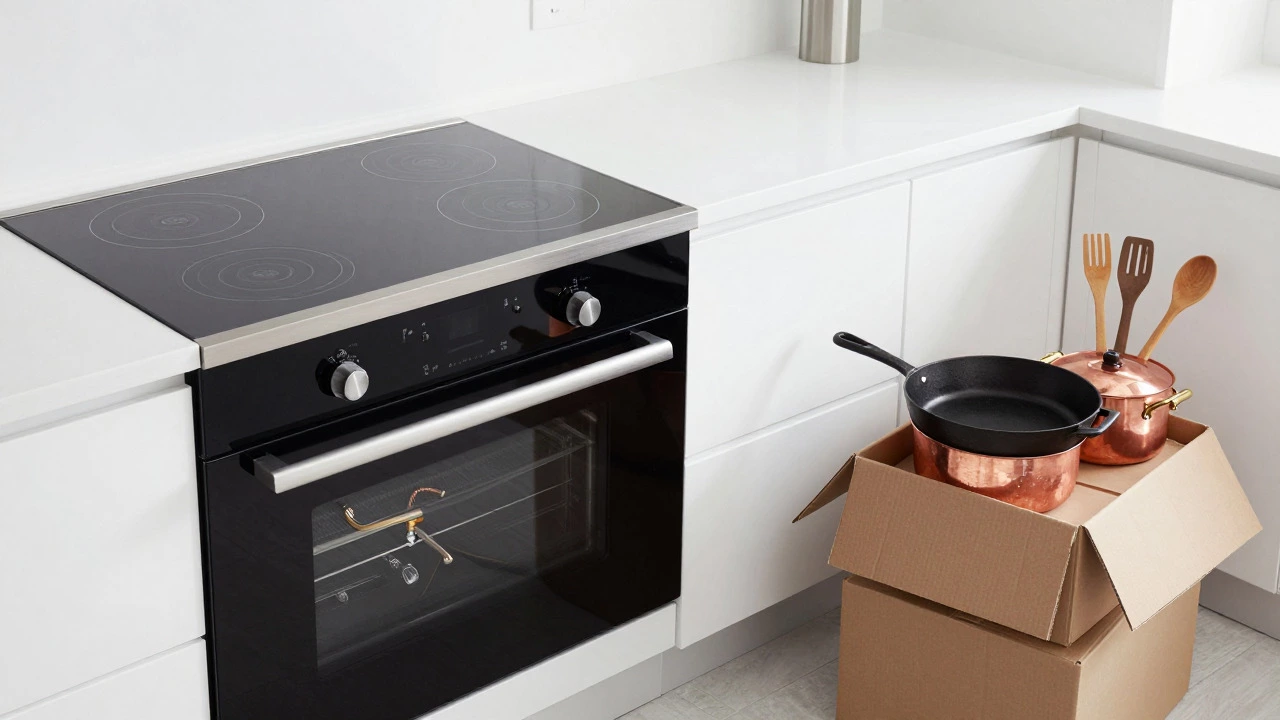
You’re standing in the middle of a home goods store, staring at a sleek induction range. The aisle is labeled "Kitchen Essentials." You pick up a cast-iron skillet next to it. Both help you cook dinner. But if someone asked you to move the stove into your car’s trunk for a quick trip, you’d look crazy. If they asked you to toss the skillet in, that’s just practical. This confusion happens because we lump everything used in the kitchen under one vague umbrella term: kitchenware. But technically, a stove is not kitchenware. It belongs to a completely different category called major appliances.
Understanding this distinction isn’t just about winning arguments with pedantic friends. It matters when you are buying insurance, planning a renovation, or trying to figure out why your landlord won’t replace your broken oven. Let’s clear up the mess between what goes on the counter and what stays bolted to the floor.
The Strict Definition of Kitchenware
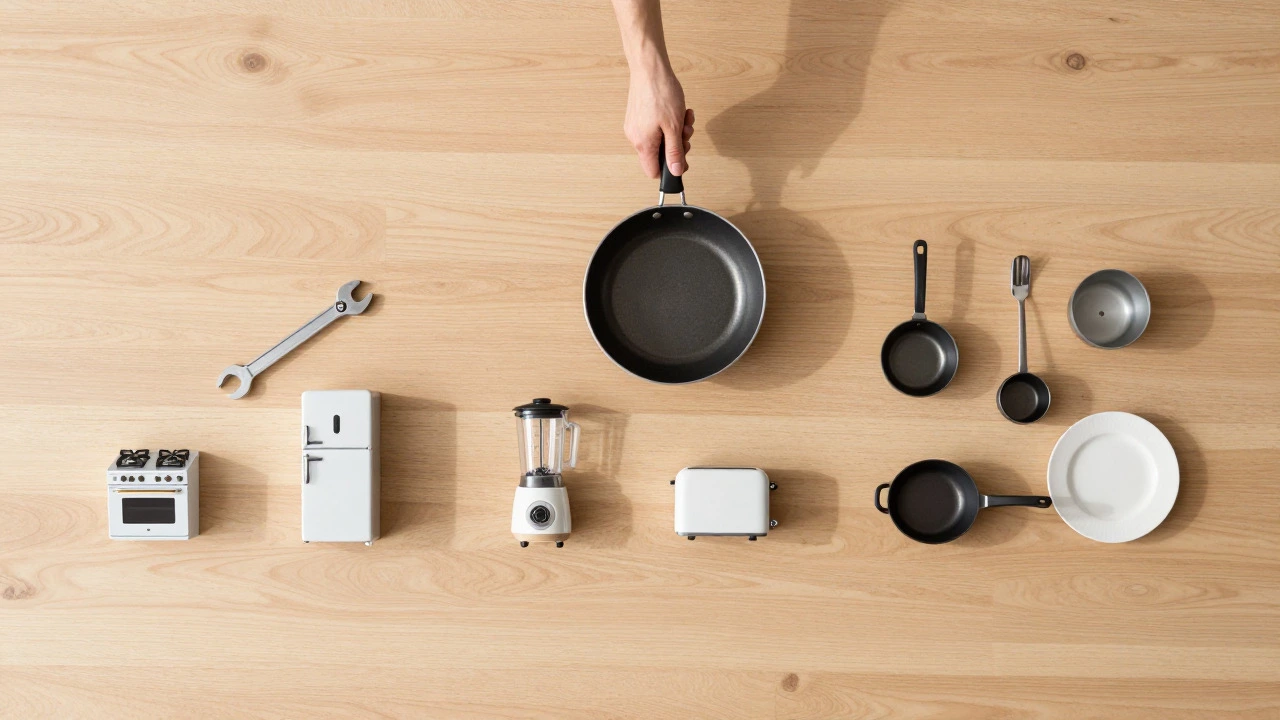
To understand why a stove doesn't fit the label, we first need to define what kitchenware actually is. In retail, interior design, and logistics, kitchenware refers to portable items used for food preparation, cooking, serving, and eating. Think of these as the tools you hold, lift, or move around frequently.
If you were to empty a typical kitchen, kitchenware would be the things you could pack into boxes and carry out by hand. This includes:
- Cookware: Pots, pans, skillets, and roasting trays that sit on a heat source.
- Bakeware: Mixing bowls, baking sheets, and cake pans.
- Utensils: Spatulas, ladles, whisks, and tongs.
- Tableware: Plates, glasses, cutlery, and serving platters.
The key characteristic here is portability. A frying pan has no power cord, no gas line, and no permanent connection to your house. You can take it camping. You can wash it in a neighbor’s sink if yours is broken. That mobility defines the category.
Why a Stove Is an Appliance
A stove-whether it’s a freestanding range, a built-in cooktop, or a wall oven-is classified as a major appliance. Specifically, it falls under the sub-category of "large domestic appliances" or simply "white goods," although modern stoves often feature black glass fronts that defy the old naming convention.
Here is why the classification differs so sharply from kitchenware:
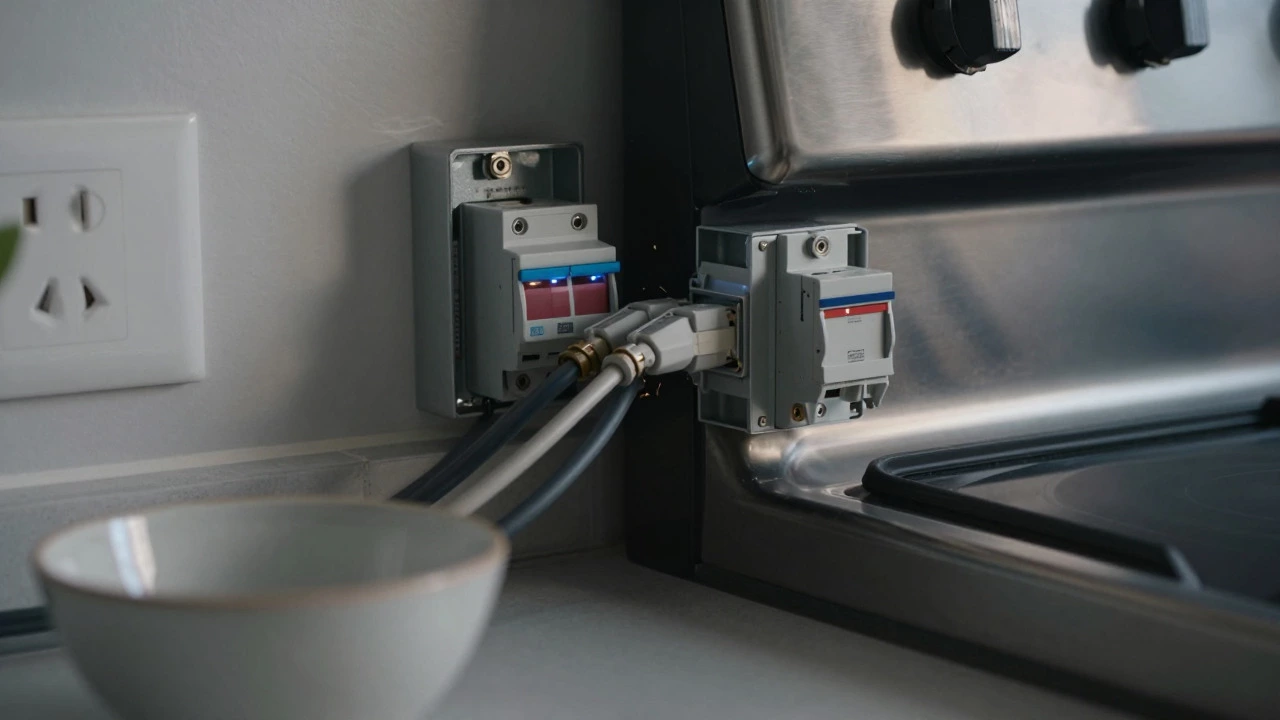
- Installation Requirements: A stove requires professional installation. It needs a dedicated electrical circuit (often 240 volts for electric ranges) or a specific gas hookup with ventilation requirements. You cannot just plug a standard stove into a regular wall outlet like you do with a toaster.
- Permanence: While some stoves are "freestanding," they are considered semi-permanent fixtures. Moving a stove usually involves disconnecting utilities, maneuvering heavy machinery through doorways, and potentially modifying cabinetry. It is part of the building's infrastructure, much like a refrigerator or dishwasher.
- Functionality: The stove provides the energy source. Kitchenware uses that energy. The stove is the engine; the pot is the vehicle. One powers the other.
In real estate terms, this distinction is huge. When you buy a house, the stove usually comes with the property. The pots and pans inside it? Those belong to the previous owner unless specified otherwise. This legal separation reinforces that stoves are fixtures, while kitchenware is personal property.
The Gray Area: Small Appliances
Things get tricky when we introduce small appliances. Is a toaster oven kitchenware? Is an air fryer? These devices blur the lines because they are portable but still require electricity.
Industry standards generally classify small appliances as a hybrid category, but they lean closer to appliances than traditional kitchenware. However, because they are countertop-sized and movable, retailers often group them with kitchenware for convenience. A stand mixer, for example, is sold in the kitchenware aisle, but it is technically an appliance.
The stove, however, never gets this pass. Even a compact two-burner camp stove is distinct from the cookware you use on it. The camp stove is the tool generating heat; the pot is the vessel holding food. The stove remains the machine; the rest is the gear.
| Feature | Kitchenware (e.g., Frying Pan) | Major Appliance (e.g., Stove) |
|---|---|---|
| Portability | High (Hand-carried) | Low (Requires moving equipment) |
| Power Source | None (Passive) | Electricity or Gas (Active) |
| Installation | None required | Professional hookups needed |
| Lifespan | 5-15 years (varies by material) | 10-15 years average |
| Real Estate Status | Personal Property | Fixture (usually included in sale) |
Why Does This Distinction Matter?
You might think this is just semantic nitpicking, but getting the terminology wrong can lead to practical headaches in three main areas: shopping, insurance, and maintenance.
Shopping and Returns: Return policies differ wildly. Kitchenware returns are usually simple-you walk it back to the store. Appliance returns often involve restocking fees, pickup scheduling, and original packaging requirements. If you buy a stove online thinking it’s just another kitchen gadget, you might be surprised by the $50 return shipping fee.
Home Insurance: Most homeowners’ insurance policies cover kitchenware against theft or fire damage as personal property. Appliances are covered too, but if your stove explodes due to a manufacturing defect, that’s a product liability issue, not just a claim for a broken plate. Conversely, if a pipe bursts and ruins your hardwood floors, the stove (as a fixture) might be covered under dwelling protection, while your copper pots are covered under personal property. Knowing which bucket your items fall into helps you file claims correctly.
Maintenance and Repair: When your spatula breaks, you throw it away and buy a new one. When your stove’s burner dies, you call a technician. You don’t "repair" kitchenware; you replace it. Appliances have service lives, warranty periods, and repair manuals. Treating a stove like disposable kitchenware leads to frustration when you realize you can’t just buy a replacement heating element at the grocery store.
How to Organize Your Kitchen Based on Category
Once you accept that a stove is not kitchenware, organizing your kitchen becomes easier. Group items by function and permanence rather than just aesthetics.
Zone 1: The Fixed Infrastructure
This includes your stove, refrigerator, dishwasher, and built-in microwave. These items dictate the layout of your kitchen. They stay put. When cleaning, you wipe them down, but you don’t move them. Maintenance here involves checking gas lines, cleaning filters, and descaling water lines.
Zone 2: The Active Tools (Small Appliances)
Blenders, toasters, and coffee makers live here. They are semi-portable. You can move them to clean behind them, but they need outlets. Store these on countertops or in cabinets near power sources.
Zone 3: The Portable Gear (True Kitchenware)
Pots, pans, knives, and utensils. These should be stored within arm’s reach of Zone 1. The closer your cookware is to the stove, the less time you spend carrying hot liquids across the room. This is where ergonomics meets logic.
Common Misconceptions About Kitchen Categories
Many people assume that anything made of metal in the kitchen is kitchenware. This is incorrect. Stainless steel sinks are fixtures. Stainless steel trash cans are accessories. Only items designed for direct food handling or preparation count as kitchenware.
Another common error is confusing "cookware" with "kitchenware." Cookware is a subset of kitchenware. All cookware is kitchenware, but not all kitchenware is cookware. A wine glass is kitchenware, but it is tableware, not cookware. A stove is neither. It is the platform that enables both.
We also tend to forget about "smallwares" in commercial settings. In restaurants, the term "smallwares" specifically refers to non-electric kitchen tools. Electric items are always appliances. This industry-standard definition further isolates the stove from the world of kitchenware.
What Should You Call It Then?
If you are writing a list, filing a claim, or talking to a contractor, use precise language. Instead of saying "I need new kitchenware for my stove," say "I need a new range and matching cookware."
When describing your home, specify "appliances included" versus "kitchen accessories included." This clarity prevents disputes. If you are selling your house, listing "stainless steel appliances" tells buyers they get the stove and fridge. Listing "kitchenware" implies you might leave behind a set of nice knives or a stand mixer, but not the big machines.
So, is a stove kitchenware? No. It is a major appliance. It is the heart of the kitchen, but it is not the jewelry. Keep your pots in the drawer and your stove on the floor, and everyone will know exactly what belongs where.
Is a stove considered furniture?
No, a stove is not furniture. Furniture refers to movable objects intended to support various human activities such as seating, eating, and sleeping. A stove is a fixed or semi-fixed mechanical device that provides heat for cooking. In real estate, it is classified as a fixture or an appliance, not furniture.
What is the difference between cookware and kitchenware?
Cookware is a specific type of kitchenware. Kitchenware is the broad category that includes all tools used in the kitchen, including plates, glasses, and utensils. Cookware specifically refers to vessels used for cooking food on a heat source, such as pots, pans, and skillets.
Does home insurance cover kitchenware and appliances differently?
Yes. Appliances like stoves are often covered under the dwelling portion of your policy if they are built-in, or under personal property if they are freestanding. Kitchenware is almost always covered under personal property. Deductibles and coverage limits may vary between these categories, so check your specific policy details.
Can I move a stove myself without professional help?
While physically possible, it is risky. Gas stoves require turning off the gas supply and checking for leaks. Electric stoves often require disconnecting high-voltage wires. Improper reconnection can lead to fires or carbon monoxide poisoning. It is highly recommended to hire a licensed technician for disconnection and reinstallation.
Are small appliances like blenders considered kitchenware?
Technically, small appliances are a separate category from traditional kitchenware because they require electricity. However, in retail and casual conversation, they are often grouped together because they are portable and countertop-friendly. For insurance or technical purposes, keep them distinct as appliances.