Is a Career in Logistics Worth It? Salary, Stress, and Future Outlook
Logistics Career Fit & Salary Estimator
Select your target role and experience level to see estimated annual earnings.
Estimated Salary
$0
Answer these quick questions to see if the high-pressure logistics environment suits you.
Assessment
You’ve probably seen the vans. They’re everywhere. But have you ever wondered if the people running that massive machine are actually making good money, or just burning out on overtime? If you’re standing at a crossroads, wondering whether to jump into Logistics is a smart move, you aren’t alone. The industry has exploded since 2020, but with that growth comes a reputation for high stress and long hours. So, is it worth your time?
The short answer? Yes, but only if you know where you’re stepping in. Not all logistics roles are created equal. A warehouse packer’s experience looks nothing like a supply chain analyst’s day-to-day. We need to look past the glossy brochures of global shipping giants and talk about the real grind, the actual paychecks, and the skills that will keep you employed when automation eventually takes over the repetitive stuff.
What Does a Logistics Career Actually Look Like?
Before we talk about salaries, let’s clear up what this field actually involves. Logistics is the detailed coordination of complex operations involving people, facilities, and supplies. It’s not just moving boxes from Point A to Point B; it’s ensuring they arrive at the right time, in the right condition, and at the lowest possible cost. This sector sits under the broader umbrella of Supply Chain Management, which encompasses everything from sourcing raw materials to delivering the final product to the customer’s doorstep.
Most people enter through one of three doors:
- Operations & Warehousing: Hands-on work. You’re managing inventory, supervising staff, and ensuring safety protocols are met. Think of this as the engine room.
- Transportation & Distribution: Focuses on the movement. You’re coordinating fleets, negotiating carrier rates, and optimizing routes. This role often requires strong analytical skills.
- Procurement & Sourcing: The strategic side. You’re buying goods, managing supplier relationships, and mitigating risks before products even leave the factory.
Each path demands different personality types. Operations suits those who thrive in dynamic, physical environments. Transportation appeals to problem-solvers who love data. Procurement is for negotiators who can spot a bad deal from a mile away.
The Money Talk: What Can You Expect to Earn?
Let’s be honest. If you’re doing this for passion alone, you might struggle to pay rent. The good news is that logistics pays surprisingly well, especially compared to other entry-level industries like retail or hospitality. However, your location matters massively. In major hubs like Los Angeles, Rotterdam, or Shanghai, wages are higher due to cost-of-living adjustments and volume demand.
Here’s a realistic breakdown of median annual salaries (USD) based on recent industry reports from sources like PayScale and Glassdoor, adjusted for 2026 trends:
| Role Level | Job Title | Experience Required | Estimated Median Salary |
|---|---|---|---|
| Entry-Level | Warehouse Associate | 0-2 Years | $35,000 - $45,000 |
| Mid-Level | Logistics Coordinator | 3-5 Years | $55,000 - $70,000 |
| Specialist | Supply Chain Analyst | 2-4 Years + Data Skills | $65,000 - $85,000 |
| Management | Operations Manager | 5+ Years | $80,000 - $110,000 |
| Executive | Director of Supply Chain | 10+ Years | $120,000+ |
Notice the jump between coordinator and manager? That’s where certifications like CSCP (Certified Supply Chain Professional) start paying dividends. If you stay in the same role for five years without upskilling, your salary stagnates. If you pivot to analysis or management, it doubles.
The Good Parts: Why People Stay
If it were all bad, everyone would quit. But retention rates in logistics have improved because the job security is tangible. Unlike tech startups that vanish overnight, goods always need to move. Even during economic downturns, people still buy groceries, medicine, and clothes. This resilience makes Logistics a stable career choice during uncertain times.
Another huge perk is the variety. No two days are identical. One morning you’re dealing with a delayed shipment from overseas due to port congestion; the next, you’re implementing a new software system to track inventory in real-time. You get to see the immediate impact of your decisions. Did you reroute a truck? Great, the customer got their package on time. Did you negotiate a better rate with a carrier? Awesome, your company saved thousands. That sense of accomplishment is addictive for many professionals.
Plus, the barrier to entry is relatively low. You don’t necessarily need a four-year degree to start. Many companies hire motivated individuals with a high school diploma and train them internally. This accessibility allows you to earn while you learn, avoiding massive student debt.

The Bad Parts: Stress and Burnout
Now, for the reality check. The phrase "it’s busy" is an understatement in logistics. The industry runs on tight deadlines. If a shipment is late, penalties apply. Customers complain. Your boss gets angry. This pressure creates a high-stress environment that leads to burnout if you don’t manage boundaries.
Shift work is common, especially in warehousing. Night shifts, weekends, and holidays are part of the package. While this can mean less traffic during your commute, it disrupts social life and sleep patterns. Additionally, physical tolls are real. Standing for eight hours, lifting boxes, and navigating noisy machinery wear down your body over time. Ergonomics matter, but they aren’t always prioritized in budget-conscious warehouses.
Then there’s the emotional labor of customer service. When things go wrong-and they will-you are the face of the failure. You’ll hear every complaint about damaged goods or lost parcels. Developing thick skin isn’t optional; it’s a survival skill.
Future-Proofing Your Career: Automation and Tech
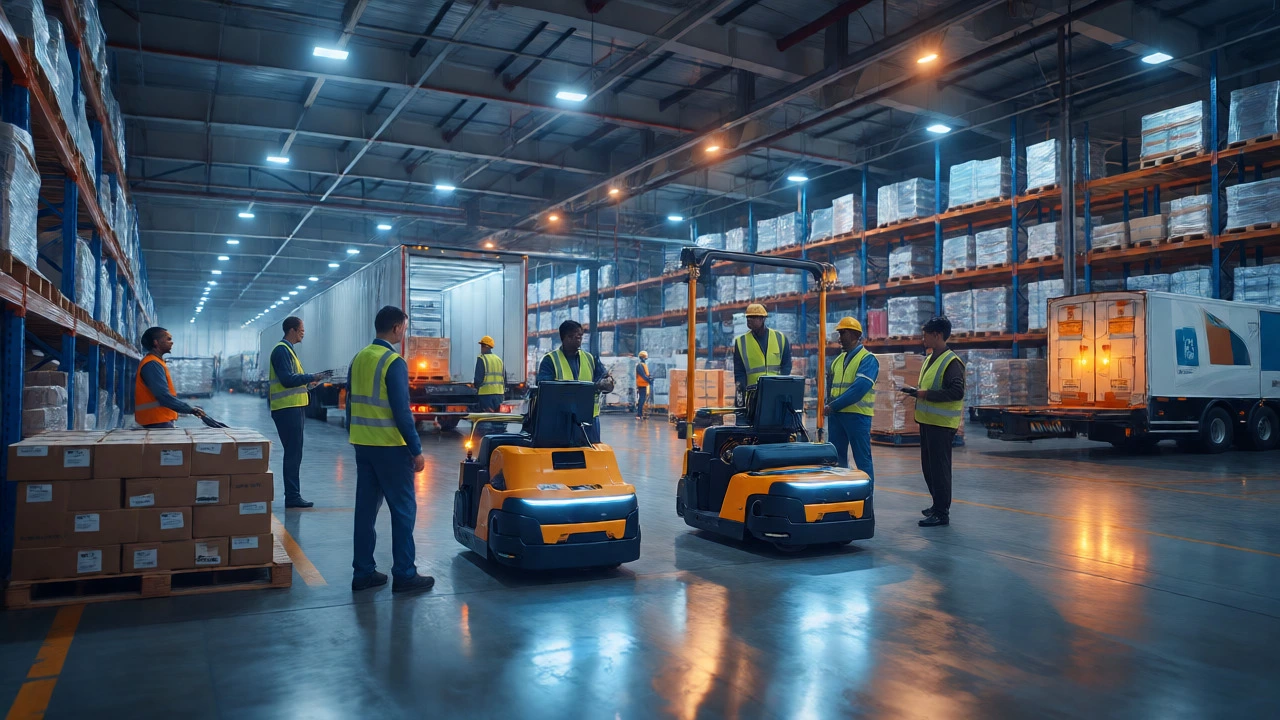
You might worry about robots taking your job. And yes, automation is reshaping the landscape. Automated guided vehicles (AGVs) are replacing manual forklift drivers in large distribution centers. Artificial intelligence now predicts demand spikes better than any human planner could.
But here’s the twist: technology doesn’t eliminate jobs; it changes them. The demand for humans who can manage these technologies is skyrocketing. Companies don’t just need people to drive trucks; they need people to interpret data from telematics systems, manage drone deliveries, and oversee robotic picking arms.
To future-proof yourself, focus on digital literacy. Learn how to use Enterprise Resource Planning (ERP) systems like SAP or Oracle NetSuite. Understand basic SQL for querying databases. Get comfortable with Excel beyond simple sums-pivot tables and VLOOKUPs are daily bread. If you can combine operational knowledge with technical skills, you become indispensable.

Who Should Avoid This Industry?
Not everyone fits. If you crave a predictable 9-to-5 routine with zero surprises, logistics might frustrate you. The nature of the business is reactive. Problems pop up unexpectedly-a strike at a port, a hurricane closing highways, a supplier going bankrupt. You need to be adaptable and calm under pressure.
Also, if you dislike confrontation, think twice. Negotiating with carriers and handling upset clients requires assertiveness. Passive personalities often struggle to enforce policies or push back against unreasonable requests, leading to exploitation and increased workload.
Final Verdict: Is It Worth It?
A career in logistics offers a solid middle-class income, job stability, and clear pathways for advancement. It rewards organization, problem-solving, and resilience. The initial grind can be tough, especially in entry-level roles, but the ceiling is high. Senior managers and directors in global firms earn six figures easily.
However, success depends on your willingness to adapt. The old-school "gut feeling" approach is dying. Modern logistics is data-driven. Embrace the tech, protect your mental health, and treat each crisis as a puzzle to solve rather than a personal attack. If you can do that, you won’t just survive in this industry-you’ll thrive.
Do I need a college degree to work in logistics?
No, a bachelor's degree is not strictly required for most entry-level positions. Many employers value practical experience, certifications (like CSCP or CLTD), and soft skills such as communication and problem-solving. However, a degree in supply chain management, business, or engineering can accelerate your path to mid-level management roles.
Is logistics a stressful career?
Yes, logistics is known for being high-stress due to tight deadlines, unexpected disruptions, and the constant pressure to reduce costs while improving speed. Burnout is a common issue, particularly in operations and transportation roles. However, stress levels vary significantly by company culture and specific role, with analytical positions generally offering more predictability than frontline operations.
How much does a logistics coordinator make?
In the United States, the median salary for a Logistics Coordinator typically ranges between $55,000 and $70,000 annually. Entry-level coordinators may start closer to $45,000, while those with specialized certifications or experience in international shipping can earn upwards of $80,000. Salaries vary greatly by geographic location and industry sector.
Will robots replace logistics workers?
Automation will replace many manual tasks, such as sorting packages and driving repetitive routes. However, it will also create new roles focused on overseeing automated systems, analyzing data, and managing exceptions that machines cannot handle. Workers who upskill in technology and data analysis will remain highly employable, while those performing purely manual, repetitive tasks face higher displacement risks.
What are the best certifications for a logistics career?
The most respected certifications include the Certified Supply Chain Professional (CSCP) and Certified in Production and Inventory Management (CPIM) from APICS (now ASCM). For those focused on transport, the Certified Transportation Professional (CTP) is valuable. These credentials demonstrate expertise and often lead to salary increases and promotion opportunities.