How to Spot a High-Quality Mirror: A Buyer's Guide
Mirror Quality Inspector
Quality Checklist
Estimated Quality Score
Select options above
Complete the checklist to see if this mirror is worth your money.
Waiting for input...
Ever looked into a mirror and felt slightly dizzy? Or noticed your reflection looks like it’s swimming in water when you move your head? That isn’t just bad lighting. It’s cheap glass doing its worst. We hang mirrors in our homes every day, assuming they are simple sheets of reflective material. But the difference between a $20 bargain bin find and a premium optical piece is massive. One gives you a true reflection; the other gives you headaches and warped proportions.
Finding a good quality mirror isn't about guessing. It’s about knowing what to look for before you buy. Whether you are outfitting a bathroom, dressing a hallway, or setting up a studio, understanding the construction helps you avoid regret. Let’s break down exactly how to tell if a mirror is worth your money.
The Glass Thickness Matters More Than You Think
The first thing you should check is the weight. If you can lift the frame with one finger, put it down. Cheap mirrors use thin, flimsy glass-often around 3mm thick. This type of glass vibrates easily, making the reflection wobble if someone bumps the wall nearby. It also feels fragile and tends to crack during shipping or installation.
A high-quality mirror uses thicker glass, typically 4mm to 6mm for standard sizes, and even thicker for large formats. Thicker glass provides stability. It doesn’t flex under pressure, which means the image stays sharp. When you tap the glass gently with a knuckle, a good mirror produces a solid, dull thud. A poor-quality one sounds hollow or tinny. This density also reduces the "ghosting" effect we’ll talk about later, because the substrate is more rigid.
What is the ideal glass thickness for a bathroom mirror?
For most bathroom mirrors, 4mm is the minimum acceptable thickness. For larger mirrors over 1 meter wide, opt for 5mm or 6mm glass to prevent warping and ensure durability against humidity and physical impact.
Check for Distortion: The Straight Edge Test
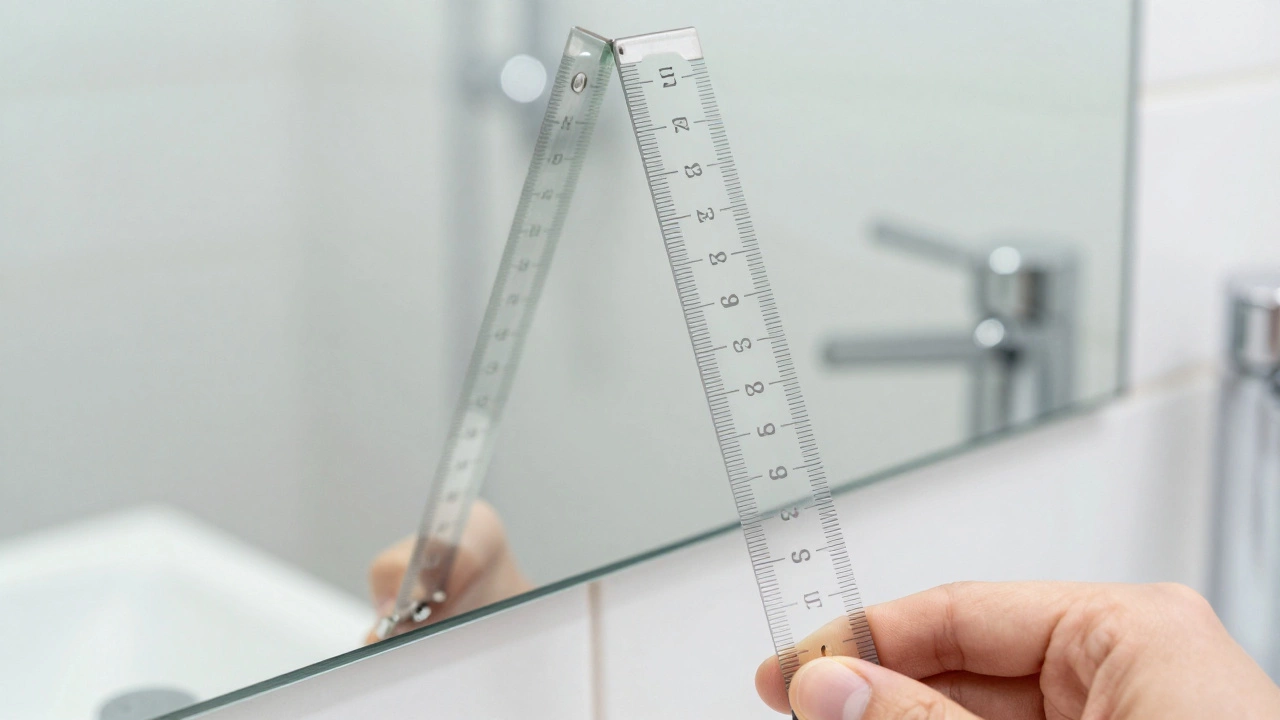
This is the most reliable trick in the book. Grab a straight object-a ruler, a credit card, or even the edge of your phone. Hold it vertically against the mirror’s surface. Look closely at the line where the object meets the reflection.
If the line bends, waves, or breaks, the glass is distorted. This happens when the glass was cooled unevenly during manufacturing or if it’s made from low-grade float glass. In a high-quality mirror, that line remains perfectly straight from top to bottom. You can also look at a grid pattern on the floor or a tiled wall reflected in the mirror. Parallel lines should stay parallel. If they curve inward or outward, you’re looking at a funhouse effect disguised as decor.
Distortion is particularly annoying in vanity areas. Imagine trying to apply makeup or shave when your jawline looks wider on the left side than the right. It’s frustrating and misleading. Always perform this test in-store if possible. If buying online, check reviews specifically mentioning "distortion" or "warping."">
Understanding Silvering and Backing
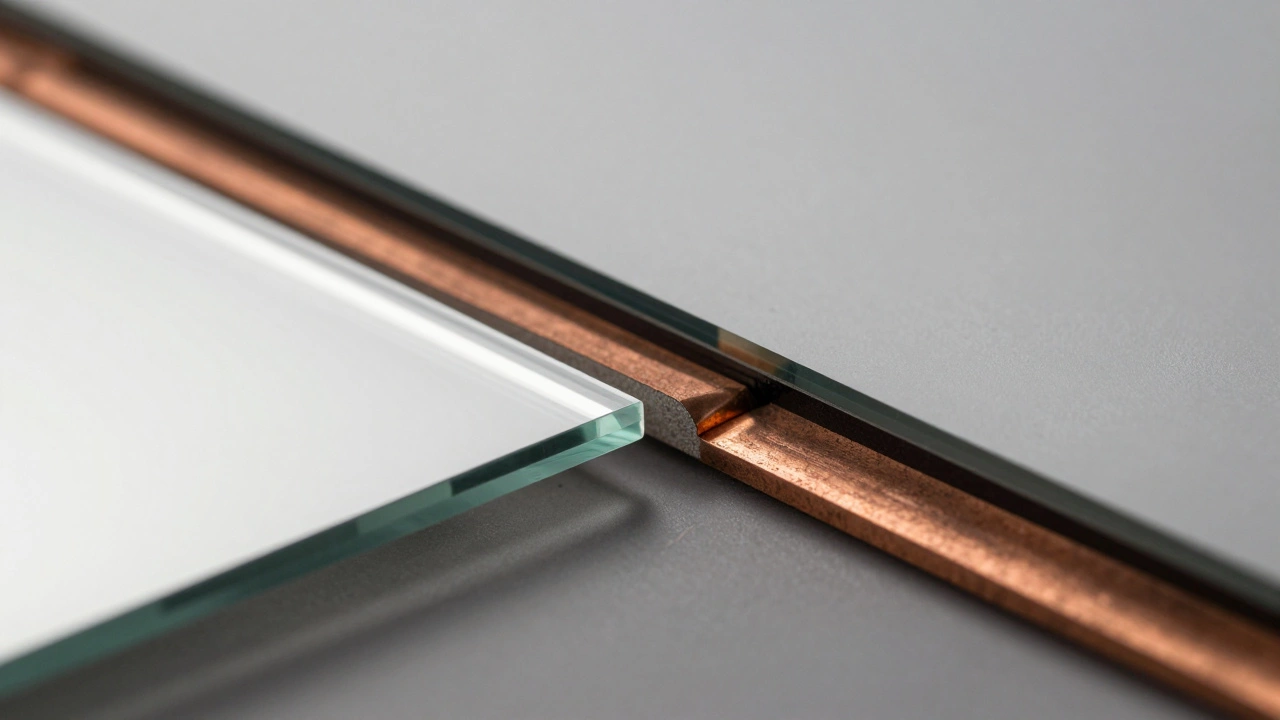
The magic of a mirror happens on the back. Most household mirrors are second-surface mirrors, meaning the reflective coating sits behind the glass. This layer is usually made of aluminum or silver deposited via vacuum evaporation. The quality of this application defines the mirror’s longevity and clarity.
Cheap mirrors often use a single layer of reflective metal without proper protection. Over time, moisture seeps in, causing the edges to turn black (a process called delamination) or creating spots where the reflection fails. A good quality mirror has multiple layers: the reflective metal, a protective copper layer, and then two coats of paint to seal it all in. This prevents oxidation and corrosion.
Look at the edges. Are they clean and sealed? Rough, unsealed edges invite moisture and dust, which degrade the silvering quickly. In humid environments like bathrooms, this backing is critical. If the mirror starts peeling or spotting within a year, the backing was subpar. Premium brands often specify "anti-corrosion" or "humidity-resistant" backing, which is a good sign.
First Surface vs. Second Surface Mirrors
You might have heard of first-surface mirrors. These are different from the standard mirrors in your home. In a first-surface mirror, the reflective coating is applied to the front of the glass, not the back. This eliminates the double-reflection problem entirely.
In a standard second-surface mirror, light reflects off both the front of the glass and the back coating. This creates a faint secondary image, known as ghosting. It’s subtle but noticeable if you hold an object close to the glass. First-surface mirrors provide a crystal-clear, single reflection with zero ghosting. They are essential for laser equipment, scientific instruments, and high-end art studios.
However, they come with caveats. Because the coating is exposed, it scratches easily. You cannot clean them with standard sprays; you need special microfiber cloths and gentle techniques. For everyday home use, a high-quality second-surface mirror is usually sufficient and much more durable. But if you are a photographer or artist needing absolute precision, invest in a first-surface option despite the higher cost and fragility.
| Feature | Standard Second-Surface | Premium Second-Surface | First-Surface |
|---|---|---|---|
| Ghosting | Visible | Minimal | None |
| Durability | Low | High | Low (coating exposed) |
| Cost | $ | $$ | $$$ |
| Best For | Decorative walls | Bathrooms, Vanities | Studios, Labs |
The Frame and Finish Quality
The frame does more than just look nice; it supports the glass. A flimsy MDF frame glued poorly will sag over time, putting stress on the glass and potentially causing cracks. Solid wood or metal frames offer better structural integrity. Check the corners-are they mitered cleanly? Glue visible on the inside suggests rushed craftsmanship.
If you choose a beveled edge instead of a framed mirror, inspect the cut. A high-quality bevel is smooth, uniform, and polished. It shouldn’t feel sharp to the touch. Poorly cut bevels can have chipped edges or uneven angles, which catch light awkwardly and look cheap. The polish should be consistent around the entire perimeter.

Lighting and Color Accuracy
Mirrors don’t emit light; they reflect it. But the quality of the glass affects color rendering. Some cheaper glasses have a greenish tint, especially visible at the edges. This is due to iron impurities in the silica sand used to make the glass. High-quality mirrors use low-iron glass, which is clearer and truer to white.
To test this, look at the reflection of a white object, like a sheet of paper or a white shirt. Does it look pure white, or does it have a slight gray or green cast? In a well-lit room, this difference is stark. For vanity mirrors, color accuracy is crucial. You want to see your skin tone as it truly appears, not filtered through a tinted lens. Low-iron glass is worth the extra investment for any space where appearance matters.
Installation and Hardware
Don’t overlook how the mirror hangs. Cheap mirrors often come with basic wire hangers that allow the frame to swing and tilt. This movement can loosen the adhesive holding the glass in place over time. Look for D-rings with secure mounting points or keyhole slots that sit flush against the wall. For heavy mirrors, French cleats are the gold standard-they distribute weight evenly and keep the mirror stable.
If the mirror comes with adhesive strips, check their quality. VHB (Very High Bond) tape is strong and long-lasting. Cheap foam tape loses its stickiness after a few years, leading to falls. Ensure the hardware matches the weight of the glass. Never rely on drywall anchors alone for anything heavier than 5kg.
Summary Checklist for Buyers
- Weight: Heavier usually means thicker, more stable glass.
- Straight Edge Test: No bending or wavering lines.
- Sound: Solid thud, not hollow ping.
- Edges: Sealed, smooth, and free of chips.
- Backing: Multi-layer protection against moisture.
- Clarity: White objects reflect without green/gray tint.
- Mounting: Secure hardware appropriate for the weight.
Why do some mirrors have a green tint?
The green tint comes from iron oxide impurities in the raw materials used to make standard float glass. High-end mirrors use low-iron glass, which removes this tint and provides a clearer, whiter reflection.
How do I clean a mirror without damaging it?
Use a squeegee or a lint-free microfiber cloth with distilled water. Avoid ammonia-based cleaners on antique or framed mirrors, as they can damage the backing or finish. Spray the cloth, not the mirror, to prevent liquid from seeping into the edges.
What causes black edges on mirrors?
Black edges indicate delamination, where moisture has penetrated the protective backing and oxidized the silver or aluminum layer. This is common in humid bathrooms if the mirror lacks proper sealing or anti-corrosion treatment.
Are first-surface mirrors safe for home use?
They are safe but require careful handling. Since the reflective coating is on the front, it scratches easily. They are best reserved for specific applications like photography studios or science projects, not daily bathroom use.
How thick should a full-length mirror be?
A full-length mirror should be at least 4mm thick. For taller mirrors over 1.8 meters, 5mm or 6mm is recommended to prevent bowing and ensure safety.