How to Declutter Your House in One Day: A Rapid Cleaning Guide

Rapid Declutter Decision Tool
How to use: Select the scenario that matches the item in your hand to get an instant decision based on the 3-second rule and the one-year metric.
Broken or Expired?
ImmediateIt's damaged, past its date, or an 'orphan' container with no lid.
Good but Unused?
Low ValueHaven't touched it since last year or it doesn't fit your current life.
High Resale Value?
AssetDesigner labels, electronics, or collectibles in great condition.
Wrong Room?
ProcessYou want to keep it, but it belongs in a different part of the house.
Action: TRASH 🗑️
This item has zero utility value. Do not overthink it. Toss it in the black bag immediately and move to the next item.
Action: DONATE 📦
High value to others, low value to you. Place it in the clear bag. Remember: if you haven't used it in a year, it's gone.
Action: SELL 💰
Financial recovery opportunity. Put it in the 'Sell' box. Take photos immediately. If it doesn't sell in 7 days, move it to Donate.
Action: RELOCATE 🏠
Do NOT walk this to the other room now! Put it in the 'Relocate' box and finish your current zone first to maintain momentum.
Action: THE MAYBE BOX ❓
Couldn't decide in 3 seconds? Put it in a sealed box with today's date. If unopened in 3 months, donate the whole box.
Most people treat cleaning like a marathon, spending weeks slowly chipping away at piles of junk only to feel defeated when the clutter returns. But what if you stopped nibbling at the edges and just tore through it all in twelve hours? It sounds like a nightmare, but the secret isn't working harder-it's changing how you decide what stays and what goes. If you've got a free Saturday and a bit of adrenaline, you can actually declutter your house and reclaim your space before dinner.
To make this work, you need a system. Minimalism is a tool for intentional living that focuses on keeping only the things that serve a purpose or bring genuine joy. By applying this mindset for one intense day, you stop the cycle of "maybe I'll need this one day" and start making room for the life you actually live today.
The Rapid Results Cheat Sheet
- The 3-Second Rule: If you can't decide in 3 seconds, it's a "maybe"-put it in a separate box to deal with at the very end.
- The Trash Bag Method: Always carry a large black bag for garbage and a clear bag for donations.
- Zone Blocking: Never leave a room until it's finished. Jumping between the kitchen and the bedroom kills your momentum.
- The "One-Year" Metric: If you haven't touched it since April 2025, it's gone.
Pre-Game: Setting Up Your Battle Station
You can't start a one-day blitz without a landing zone. If you just move piles from the bedroom to the living room, you haven't decluttered; you've just rearranged your mess. Before you touch a single piece of clothing, set up four distinct stations in your garage or driveway: Trash, Donate, Sell, and Relocate.
Grab a stack of Cardboard Boxes and a heavy-duty roll of packing tape. Use a thick marker to label everything. The "Relocate" box is the most important-it's for things that belong in the house but aren't in the room you're currently cleaning. Do not walk those items to their proper home until the end of the day, or you'll waste hours walking in circles.
Phase 1: The High-Impact Zones
Start with the rooms that cause the most mental stress. Usually, this is the kitchen or the entryway. When these areas are clear, the rest of the house feels manageable. In the kitchen, open every drawer. You probably have three spatulas that do the same thing and a collection of plastic containers without lids. Throw the orphans away immediately.
Move into the bathroom. Check the expiration dates on your skincare and medications. Most people keep old prescriptions or half-used lotions for years. If it's expired or you haven't used it in six months, it's an instant toss. The goal here is speed. Don't reorganize the spice rack; just get rid of the things that shouldn't be there.
| Item State | Action | Reasoning |
|---|---|---|
| Broken/Expired | Trash | Zero utility value |
| Good condition, unused | Donate | High value to others, low to you |
| High resale value | Sell | Financial recovery |
| Wrong room | Relocate | Organizational error |
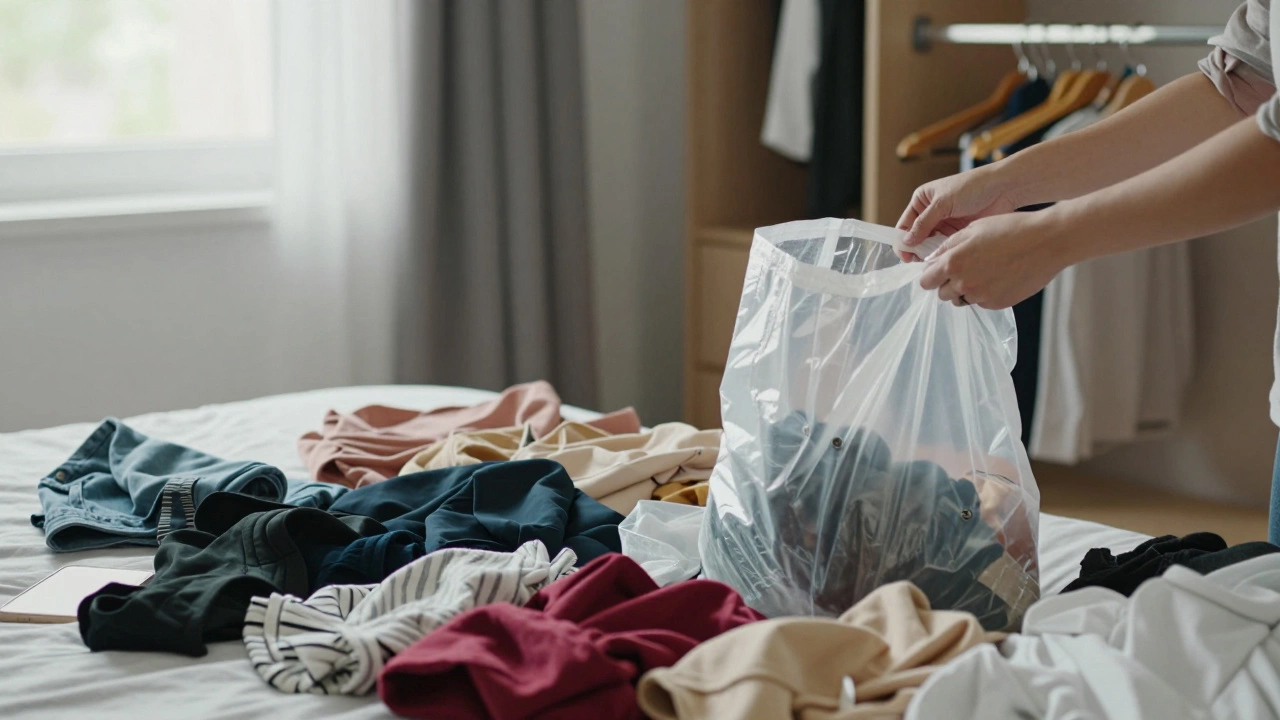
Phase 2: The Wardrobe Purge
Clothing is where most one-day declutters fail because we get emotionally attached to the "version of ourselves" that wore those clothes. Be honest: are you actually going to wear those tight jeans from five years ago? If the answer isn't a resounding yes, they go in the donation bag.
Use the "Hanger Trick" if you're struggling. Turn all your hangers backward. As you wear things and put them back, turn the hangers the right way. Since we're doing this in one day, apply the logic instantly: if you can't remember the last time you wore it, it's out. Focus on bulk first-heavy coats, old towels, and duplicate bed linens. These take up the most physical volume and provide the fastest visual win.
Phase 3: Tackling the "Doom Piles"
Every house has them: the "Doom Piles" (Desktop, Organizers, Odds-and-ends, Miscellaneous). These are usually in the home office or a junk drawer. This is the hardest part of the day because it requires the most decision-making. To avoid burnout, set a timer for 30 minutes per pile.
For papers, don't read every page. Sort them into "Keep," "Shred," and "Toss." If you have a digital backup, you probably don't need the physical copy. This is a great time to implement Digital Archiving, which is the process of scanning physical documents into a secure electronic format to reduce physical clutter. Once you scan a document, the paper becomes garbage.
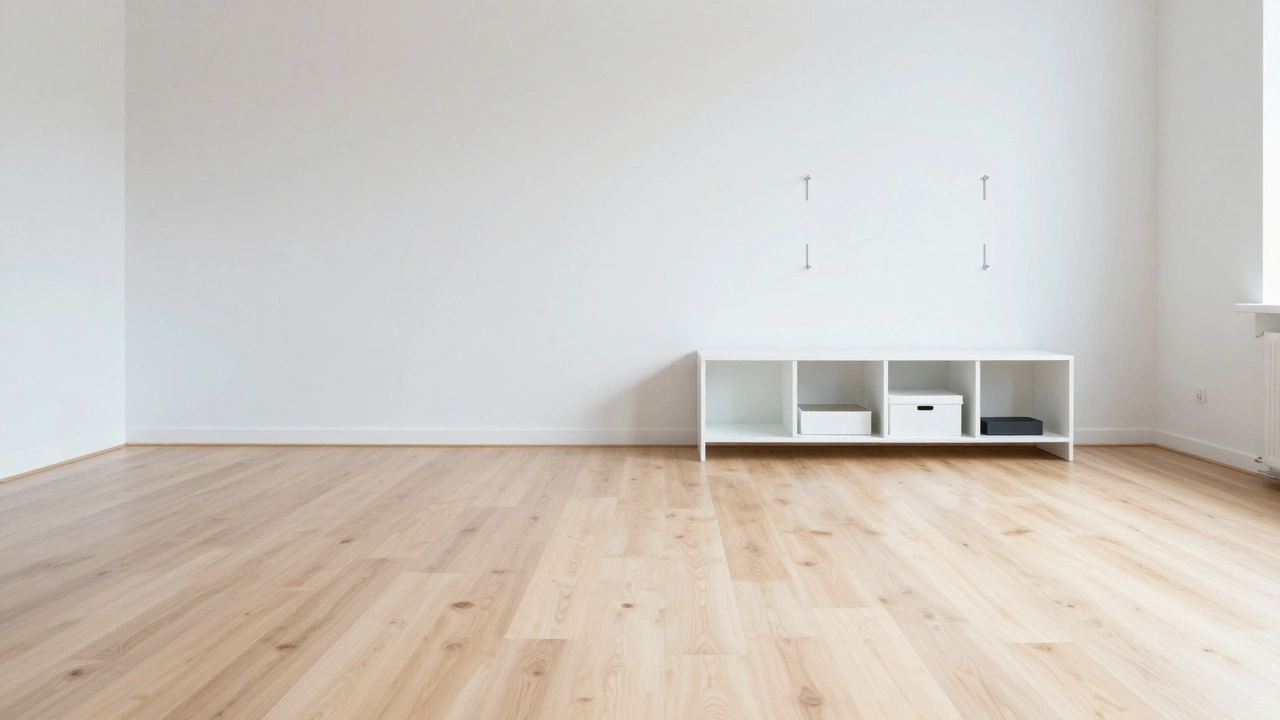
Phase 4: Optimizing Your Storage Solutions
Once the junk is gone, you'll notice gaps in your shelving. This is where you transition from decluttering to organizing. Instead of buying a bunch of random bins, look at what you actually have left. If you've cleared out your pantry, consider Modular Storage, which consists of adjustable shelving units and interlocking containers that can be resized based on the items stored.
Avoid the trap of "organizing the clutter." If you buy a beautiful basket to hold a pile of things you don't need, you've just hidden the problem. Only apply storage solutions to items that passed the 3-second rule. Use vertical space-wall-mounted hooks and over-the-door racks-to keep the floors clear. A clear floor is the ultimate psychological signal that the decluttering process was successful.
The Final Exit Strategy
The biggest mistake people make is leaving the "Donate" and "Sell" bags in the hallway. This is how clutter creeps back in. The moment the clock hits your deadline, load everything into your car. Drive directly to the donation center. If you're selling items on Facebook Marketplace or eBay, take the photos immediately and list them. If they don't sell within a week, donate them.
Toss the trash bags into the bin and wipe down the surfaces. The physical act of cleaning the dust that had accumulated under the junk provides a sense of closure. You've not only removed physical weight from your home but also the mental weight of knowing that "stuff" was waiting for you.
What if I find something I'm unsure about?
Use the "Maybe Box." Put the item in a box and seal it with a date. If you don't open that box for three months, you can donate the entire thing without even looking inside. This removes the fear of making a mistake.
How do I stop the clutter from coming back?
Adopt the "One-In, One-Out" rule. For every new item you bring into your home-whether it's a new shirt or a new kitchen gadget-one old item must leave. This keeps your inventory stable.
Is it really possible to do this in one day?
Yes, but it requires a ruthless mindset. You cannot spend time reminiscing over old photo albums or reading old letters. Save the sentimental items for a separate "Memory Day" and focus on the functional areas of your home.
What is the best way to handle a partner who doesn't want to declutter?
Focus on the common areas first. If they have a specific "mess zone" (like a desk or a craft room), leave it alone for now. Once they see how much better the living room and kitchen feel, they are often more open to tackling their own space.
Which rooms should I prioritize if I run out of time?
Priority should always go to the places you spend the most time: the bedroom, the kitchen, and the main living area. If you can't finish the attic or the garage, don't worry-the mental relief comes from clearing your daily environment.