How to Declutter Your House in One Day: A Fast-Track Guide

You wake up, look around your living room, and realize you can't actually see the floor. It didn't happen overnight; it was a slow creep of mail, half-finished projects, and clothes that don't quite fit anymore. Most people tell you that cleaning a home takes weeks of methodical sorting, but let's be honest: who has that kind of patience? If you're feeling overwhelmed, the best way to beat the anxiety is to rip the metaphorical bandage off and do it all in 24 hours. It's a sprint, not a marathon, and it's the only way to ensure you don't quit halfway through.
Quick Wins for a Faster Clean
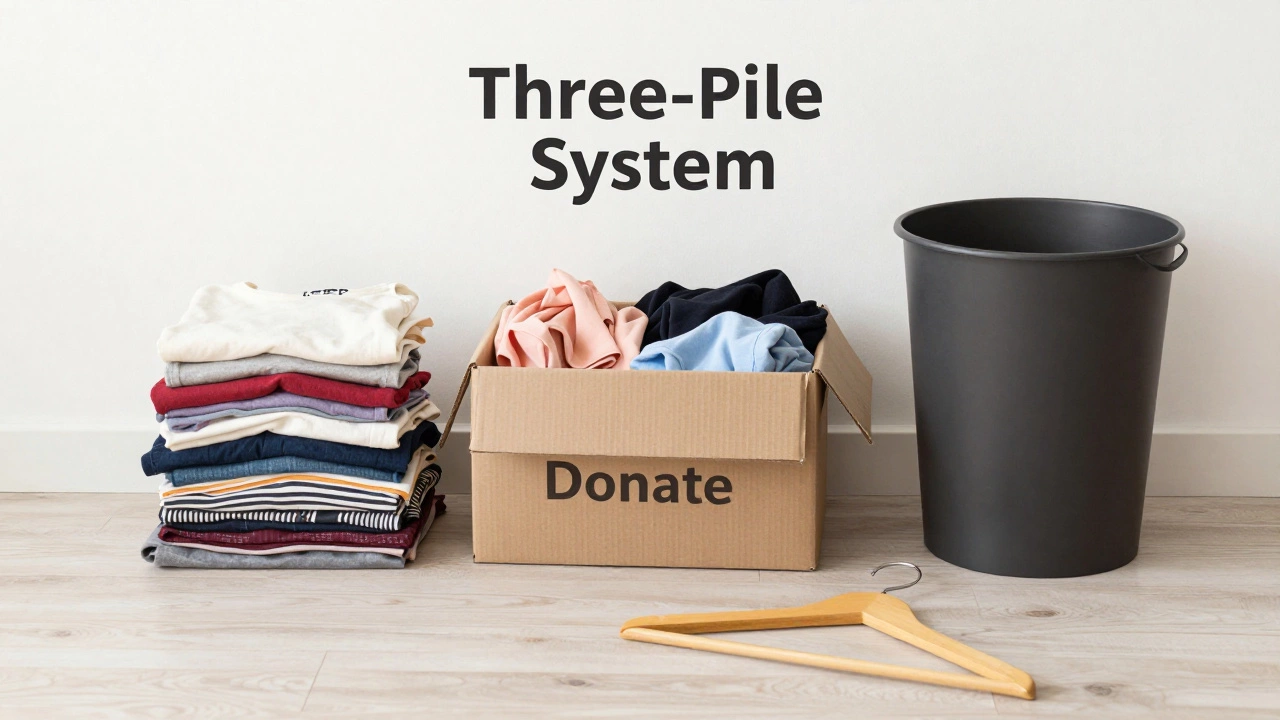
- The Three-Pile System: Keep, Donate, Trash. No "Maybe" pile-that's where clutter goes to hide.
- The Timer Method: Set a clock for 45 minutes of work and 15 minutes of rest.
- The Trash Bag First Rule: Walk through every room with a heavy-duty garbage bag and grab obvious trash before doing anything else.
- The Flat Surface Clear: Clear counters and tables first to create a visual sense of victory.
The Morning Blitz: High-Traffic Zones
Start where the chaos is most visible. Your kitchen and living room are the heart of the home, and when they're messy, the whole house feels claustrophobic. In the kitchen, start with the surfaces. Use storage solutions is the strategic use of organizers, bins, and shelving to maximize space and maintain order in a home. If you have a junk drawer that has become a graveyard for old batteries and takeout menus, dump it all on the counter. Sort it fast. If you haven't used that specific tool in a year, it doesn't belong in your house.
Move to the living room next. This is usually where "temporary" piles live. You know the ones-the stack of magazines from 2022 or the pile of laundry that's been sitting on the armchair for a week. Be ruthless. Ask yourself, "Does this actually serve a purpose in my current life?" If the answer isn't a resounding yes, it goes into the donate bag. Use a Vacuum Storage Bag a space-saving plastic bag that removes air via vacuum to compress bulky items like winter blankets to handle the bulky stuff you're keeping but don't need right now.
The Midday Push: Bedrooms and Bathrooms
By noon, your energy might dip, but this is when you hit the private spaces. The bedroom is often a sanctuary that has turned into a storage unit. Start with the wardrobe. Most people only wear about 20% of their clothes 80% of the time. Use the hanger trick: turn all your hangers backward. When you wear something, put it back the right way. After a month, anything still backward is a candidate for the donation center. This removes the emotional struggle of deciding what to keep in the moment.
The bathroom is where "product creep" happens. Check the expiration dates on your skincare and medicine. Minimalism a lifestyle choice focusing on owning only the things that provide true value or utility isn't about living in an empty white box; it's about removing the things that distract you. If you have five different half-empty bottles of the same lotion, pick the one you like most and toss the rest. It clears physical space and mental clutter.
| Item Type | Best Action | Reason |
|---|---|---|
| Old Electronics/Cables | E-Waste Center | Hazardous materials; cannot go in trash. |
| Clothing in Good Condition | Charity Shop | Helps others; keeps textiles out of landfills. |
| Expired Meds/Cosmetics | Pharmacy Disposal | Prevents water contamination. |
| Paperwork/Documents | Shredder | Protects identity and private data. |
The Afternoon Grind: Storage and Hidden Areas
Now we get to the hard part: the garage, the attic, or that one "doom closet" where everything goes to be forgotten. These areas are tricky because they contain things you're emotionally attached to or "might need someday." The secret here is to stop thinking about the item and start thinking about the space. Your square footage has a value. Is that old treadmill from 2015 worth the 15 square feet of space it's stealing from you?
To make this work, introduce Modular Shelving adjustable shelving systems that can be reconfigured to fit different sized items. By organizing these zones with clear bins, you stop the cycle of "out of sight, out of mind" that leads to buying duplicates. If you can see your items, you won't buy another set of screwdrivers just because you couldn't find the first pair.
Focus on the 2-minute rule here. If an item takes less than two minutes to put in its proper place, do it immediately. If it takes longer because you don't have a designated spot for it, that's a sign you need a better organizational system, not more storage. More boxes often just mean more places for clutter to hide.
The Final Hour: The Exit Strategy
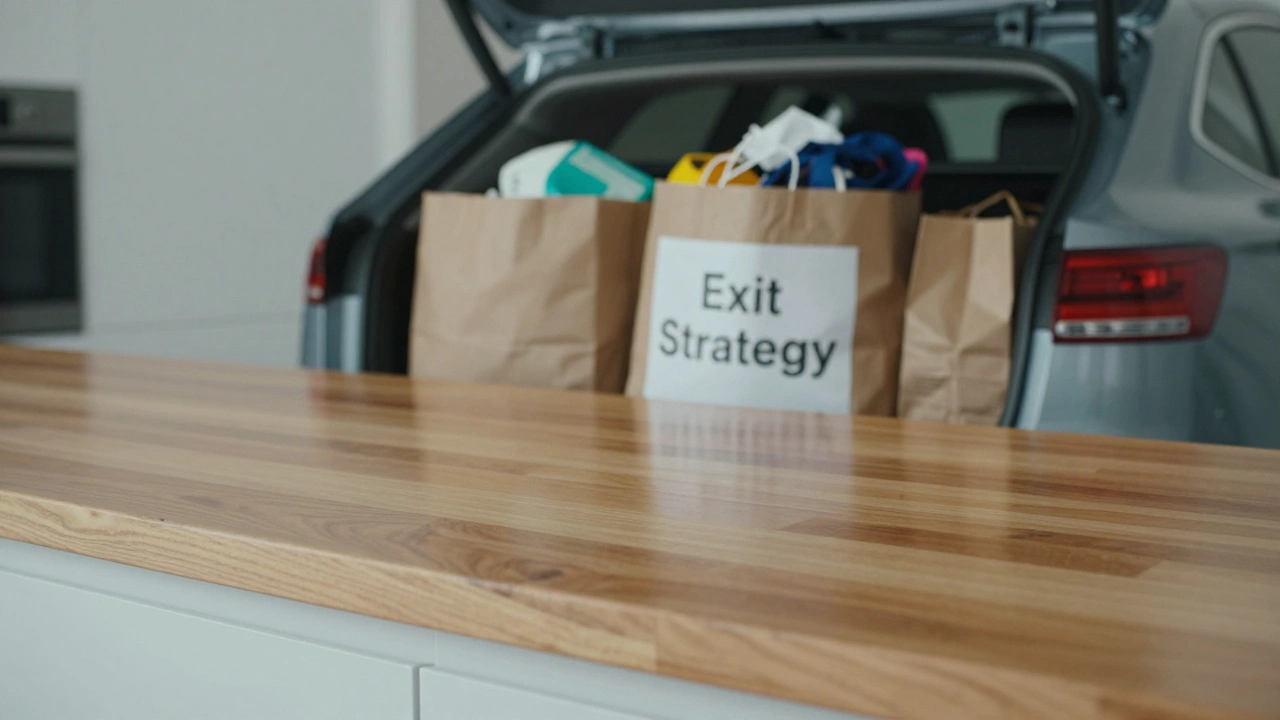
The biggest mistake people make is finishing the decluttering process but leaving the "donate" bags in the hallway. That is not a finished job; that's just moving the clutter closer to the door. The final hour of your day must be dedicated to removal. Load the car. Drive to the local charity shop or the recycling center. If the bags stay in your house, the psychological weight of the clutter remains.
Once the house is empty of the excess, do a final sweep. Wipe down the surfaces you've just uncovered. The physical act of cleaning the dust off a shelf you haven't seen in years seals the deal and makes the transformation feel permanent. You've shifted from a state of chaos to a state of control in a single day.
What do I do if I'm emotionally attached to something but don't use it?
Take a photo of the item. Often, we aren't attached to the object itself, but to the memory it triggers. A digital photo preserves the memory without taking up physical space in your home. If you still feel a strong need for it after a week, put it in a "sentimental box" and store it in a high shelf.
How do I stop clutter from coming back after one day?
Implement the "one-in, one-out" rule. Every time you bring a new item into your home-whether it's a pair of shoes or a kitchen gadget-one old item must leave. This maintains a steady state of belongings and prevents the slow accumulation that led to the need for a one-day declutter.
Is it possible to declutter a whole house in 24 hours?
Yes, but it requires a shift in mindset. You aren't aiming for perfection or professional interior design; you are aiming for the removal of excess. By focusing on high-impact areas and using a strict "keep or toss" binary, you can make a massive difference in a single day.
What's the best way to handle paperwork?
Create two piles: "Action' and 'Archive.' Action is for things like unpaid bills or forms that need signing. Archive is for taxes and legal docs. Anything else-old flyers, outdated manuals, or junk mail-should be shredded or recycled immediately.
Should I buy new bins and boxes before I start?
No. This is a common trap. If you buy organizers first, you're just organizing clutter. Declutter first, see what you actually have left, and only then purchase the specific storage solutions that fit your remaining items.
Troubleshooting Your Progress
If you find yourself freezing up over a specific item, move it to a "Decision Station"-a designated spot (like a laundry basket) where you put things you can't decide on. Keep moving. The goal of a one-day declutter is momentum. If you spend 20 minutes debating over a chipped mug, you've lost your flow. Deal with the Decision Station at the very end of the day when you've already seen the progress in other rooms; you'll likely find you care less about those items than you thought.
For those dealing with extreme hoarding or deep trauma associated with objects, a one-day sprint might be too intense. In those cases, break the house into quadrants and tackle one per day over a week. The logic remains the same: remove the trash, sort the donations, and maximize your remaining space using smart organization.