How Much Does It Cost to Ship a 5-Gallon Bucket Internationally?
5-Gallon Bucket International Shipping Calculator
Estimate Your Shipping Cost
Estimated Cost Range
Select destination and content type to see estimates
Typical Additional Fees
- Customs duties: 5%-15% of item value
- Import VAT: Varies by country
- Port handling fees: $30-$80
- Remote area delivery: $20-$60
- Customs brokerage: $50-$150
Shipping a 5-gallon bucket isn’t like mailing a letter or even a small box. It’s heavy, oddly shaped, and often contains liquids, chemicals, or food-things that make carriers pause and ask questions. If you’re trying to send one overseas, you’re not just paying for distance. You’re paying for safety, regulations, and handling. And yes, the cost can swing from under $50 to over $500 depending on where you’re sending it, what’s inside, and how you ship it.
Why a 5-Gallon Bucket Is Tricky to Ship
A standard 5-gallon bucket weighs about 1 pound when empty. But when filled? It’s anywhere from 40 to 50 pounds. That’s the weight of a small dog. Carriers classify this as a heavy parcel, not a standard package. Most couriers like FedEx or UPS have weight limits for their ground services-usually around 70 pounds. But international shipping? They treat anything over 20 pounds as a freight item.
Then there’s the shape. Buckets are round, rigid, and don’t stack well. They roll. They shift. They can crack open if not sealed right. That means extra packaging, padding, and sometimes custom crates. No one wants a 5-gallon bucket of motor oil leaking into a shipment of electronics.
And what’s inside? That’s the biggest factor. Water? Maybe fine. Cooking oil? Possible. Paint? Chemicals? Fuel? Each has different rules. The International Air Transport Association (IATA) and the U.S. Department of Transportation (DOT) have strict lists of hazardous materials. If your bucket falls into that category, you’ll need special labeling, documentation, and sometimes even a certified shipper.
Shipping Options and Their Real Costs
There are three main ways to ship a 5-gallon bucket internationally: air freight, ocean freight, and courier parcel services. Each has trade-offs in speed, cost, and complexity.
Air freight is fast-5 to 10 days to most countries-but expensive. For a 50-pound bucket, expect to pay $150 to $300, depending on the destination. This includes the base rate, fuel surcharge, customs clearance, and handling fees. Airports treat heavy, non-standard items as cargo, not parcels. You’ll need to book through a freight forwarder, not a website. FedEx and UPS don’t handle this kind of shipment directly for international air.
Ocean freight is the cheapest, but slow. A single bucket in a full container (FCL) might cost $800 to $1,200 just to move the whole container. But if you’re shipping with others in a shared container (LCL), your bucket could cost as little as $60 to $120. The catch? It takes 30 to 60 days. And you still pay port fees, customs duties, and handling charges at both ends. If you’re shipping one bucket, this isn’t practical unless you’re combining it with other goods.
Courier parcel services like DHL, FedEx, or UPS might seem like the easiest option. But they often refuse shipments over 20 pounds for international delivery. If they do accept it, the cost jumps. A 50-pound bucket shipped from New Zealand to the UK via DHL could cost $220 to $350. They’ll charge you by dimensional weight, not actual weight. Since the bucket is bulky, you’ll pay as if it weighs 70 pounds. And if it’s not packed perfectly? They’ll add a $50+ handling fee.
What’s Inside Matters More Than the Bucket
Let’s say you’re shipping a bucket of maple syrup to Canada. That’s food. No problem. But if it’s maple syrup with a preservative? Now it’s a regulated food additive. The Canadian Food Inspection Agency might require an import permit. If you’re shipping cooking oil to Australia? They’ll inspect it for pests. If it’s motor oil? That’s hazardous. You’ll need a Material Safety Data Sheet (MSDS), UN certification, and a special container.
Here’s a quick breakdown of common contents and their shipping challenges:
- Water or food (non-hazardous): Easy. Just seal tight and label clearly. Costs: $80-$180.
- Cooking oil, honey, syrup: Food regulations apply. May need inspection. Costs: $100-$220.
- Paint, glue, solvents: Hazardous. Requires special packaging, labels, and paperwork. Costs: $200-$400.
- Motor oil, diesel, fuel: Highly restricted. Often banned in air freight. Ocean only, with full hazmat compliance. Costs: $250-$500+.
- Cleaning chemicals, bleach, ammonia: Hazardous. Must be shipped in UN-certified containers. Costs: $180-$350.
Some countries outright ban certain items. Australia won’t accept any food in non-commercial packaging. The EU has strict rules on chemical imports. Always check the destination country’s customs website before shipping.
Packaging: Don’t Skip This Step
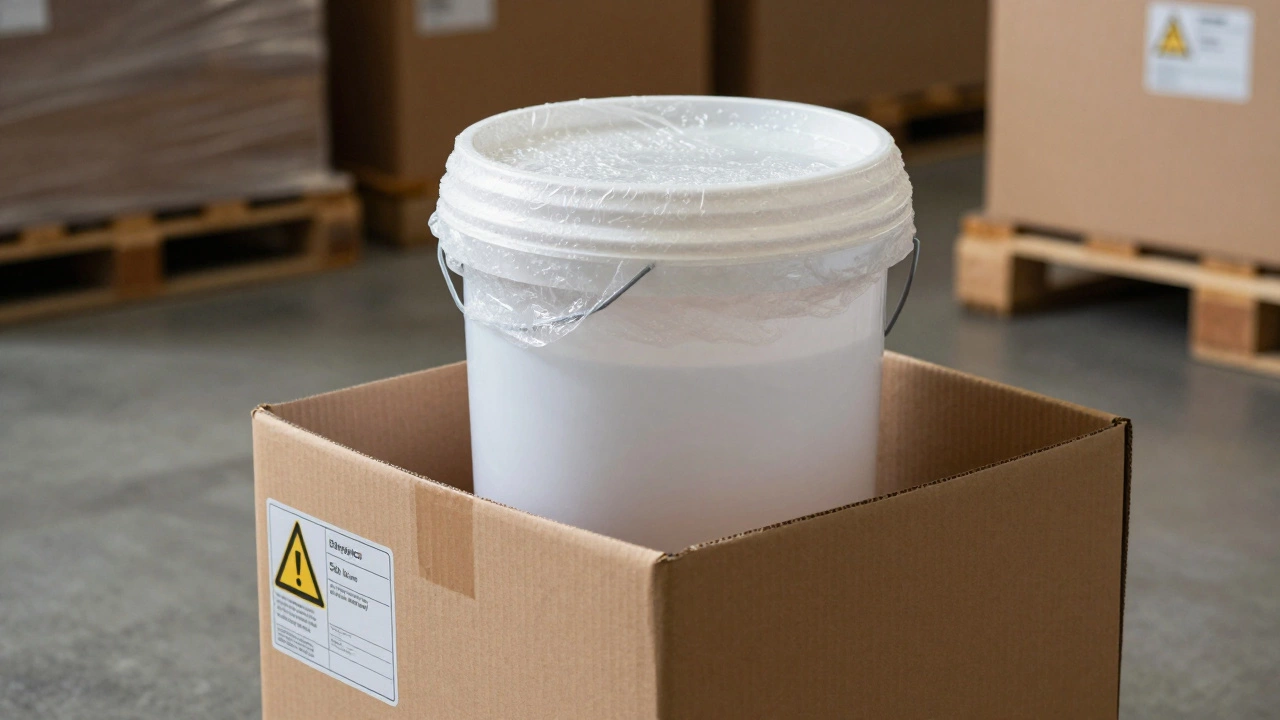
A 5-gallon bucket isn’t designed for shipping. Most are made of HDPE plastic, which can crack under pressure or temperature changes. If you’re shipping liquids, you need a secondary seal. Use a bucket with a locking lid and a gasket. Then, put that bucket inside a sturdy cardboard box with at least 3 inches of foam or bubble wrap on all sides.
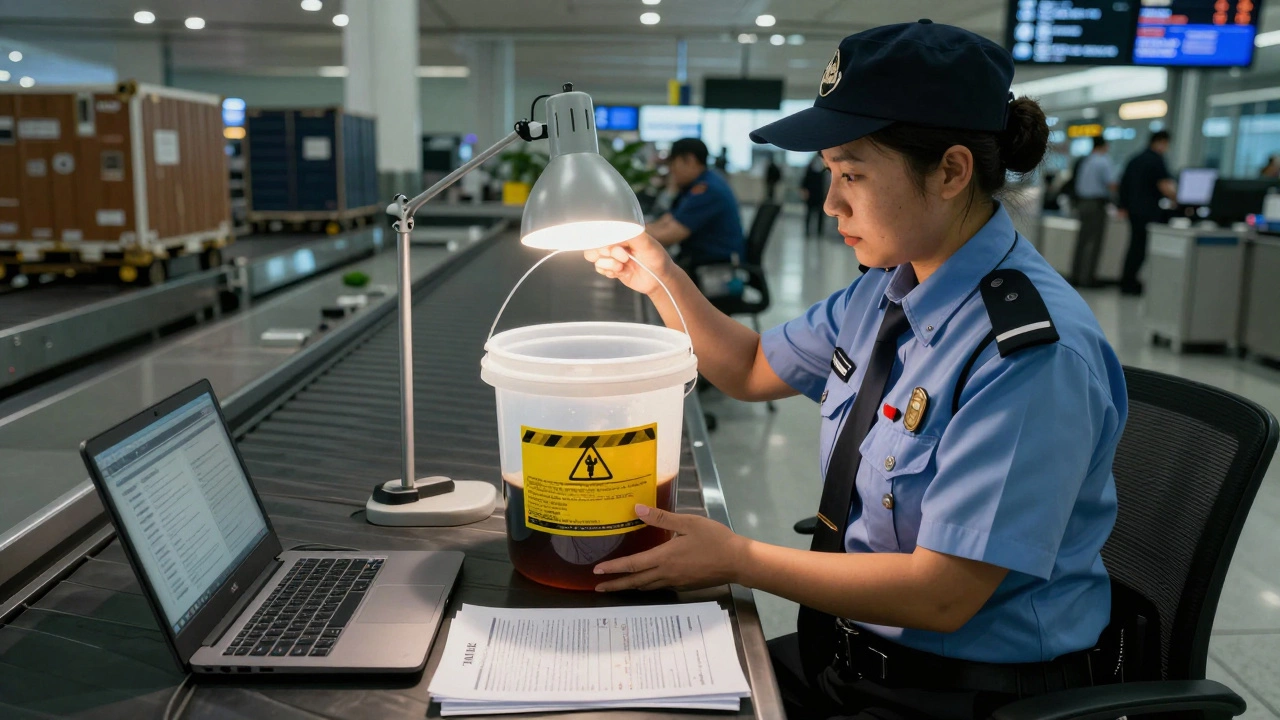
For hazardous materials, you need UN-certified packaging. That means double-walled boxes, absorbent material inside, and a plastic liner. The outer box must have hazard labels, the UN number, and the proper shipping name. If you’re not sure, hire a hazmat shipper. A mistake here can mean your package is rejected, fined, or even destroyed.
One real example: A business in Wellington shipped 10 buckets of plant-based cleaning solution to Germany. They used regular boxes, no inner liners, and no labels. The package got held at Frankfurt customs for 3 weeks. They paid a $400 penalty and had to repackage everything. Lesson: packaging isn’t optional-it’s part of the cost.
Hidden Fees You Can’t Ignore
That $120 quote you got? It’s probably not the full price. Here’s what gets added:
- Customs duties: Usually 5% to 15% of the item’s value. Some countries charge more for food or chemicals.
- Import VAT: The EU, UK, Canada, and Australia all add sales tax on top of duties.
- Port handling fees: $30-$80 at the destination port. Even if you use a courier, they pass this on.
- Delivery to remote areas: If the recipient lives in a rural zone, expect $20-$60 extra.
- Customs brokerage: If you don’t handle paperwork yourself, a broker charges $50-$150.
One person shipped a bucket of coffee beans to New Zealand from the U.S. The courier quoted $140. When it arrived, the recipient got a bill for $98 in GST and $42 in customs fees. Total: $280. That’s why you always ask: "What’s the total landed cost?"
How to Save Money
If you’re shipping multiple buckets, combine them. One 20-foot container can hold 240 standard 5-gallon buckets. That cuts the cost per bucket to under $10. Even if you’re shipping just 5 buckets, find someone else shipping to the same country. Use Facebook groups or freight matching platforms like Loadsmart or Freightos.
Use ground shipping if you can. Shipping from the U.S. to Canada? A 5-gallon bucket can go by truck for $70. From Australia to New Zealand? $90. Air is rarely worth it unless it’s urgent.
And always get a quote from at least three providers. A freight forwarder in Auckland might charge $180 to ship to the Netherlands. One in Los Angeles might do it for $130. Don’t assume the nearest option is the cheapest.
Final Cost Range: What to Expect
Here’s a realistic breakdown based on destination and content:
| Destination | Non-hazardous Content | Hazardous Content |
|---|---|---|
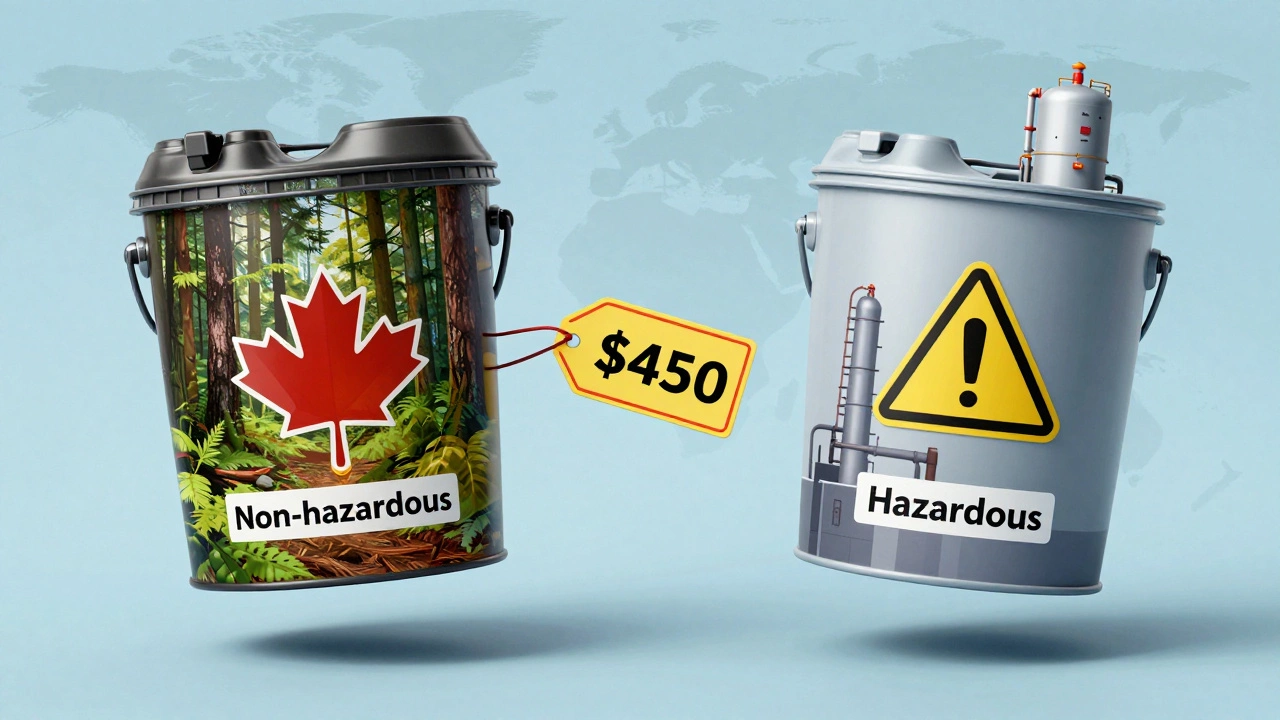
| Canada | $80-$150 | $200-$300 |
| United Kingdom | $120-$250 | $250-$450 |
| Australia | $140-$280 | $300-$500+ |
| Germany | $130-$220 | $220-$400 |
| Brazil | $160-$300 | $350-$550+ |
These prices assume proper packaging and no delays. If you’re shipping just one bucket, add 20% to cover inefficiency. If you’re shipping 10 or more, you can cut costs by 40% or more.
What to Do Next
Start by identifying what’s in the bucket. Then check the destination country’s import rules. Use a freight calculator like Freightos or ShipBob to get rough quotes. Call three freight forwarders-ask for the total landed cost, not just the shipping fee. And never ship without a tracking number and insurance.
Most people think shipping a bucket is simple. It’s not. But with the right prep, you can avoid surprises and get it there without breaking the bank.