How Much Does It Cost to Overnight Mail? Real Price Breakdown

Overnight Mail Cost Estimator
- Base Rate (NZ Post) NZ$0.00
- Speed Adjustment NZ$0.00
- Fuel Surcharge (~12%) NZ$0.00
You’re staring at a document that absolutely cannot miss its deadline. Maybe it’s a legal contract due by 9 AM, or perhaps you forgot to send a birthday gift until the last possible second. Your instinct is to grab your keys and drive to the post office, but then the panic sets in: how much does it cost to overnight mail? If you walk in blind, you might pay double what you needed to. The truth is, there isn’t one single price tag. The cost fluctuates wildly based on weight, distance, speed guarantees, and which carrier you choose. Understanding these variables is the only way to avoid getting ripped off when time is money.
The Base Rates You Should Expect
Let’s cut through the noise. For a standard envelope weighing less than one pound, sent domestically within New Zealand or Australia, you are typically looking at a starting range of NZ$15 to NZ$30. This is for a basic next-day service where the package arrives by the end of the business day (usually 5 PM). If you need it earlier-say, by 10 AM or noon-the price jumps significantly, often hitting NZ$45 to NZ$60. Why the spike? Because early morning delivery requires dedicated sorting runs and priority handling, not just throwing it on the back of a regular truck.
If you are sending something heavier, like a small box containing electronics or documents with bulky attachments, the base rate increases. A 2kg parcel might start around NZ$25 for standard next-day service. But beware of dimensional weight. Carriers don’t just look at scale weight; they measure the size of the box. If you put a tiny USB drive in a giant shoebox, you’ll pay for the air volume, not the plastic. Always pack tight. A smaller box can save you up to 40% on shipping costs instantly.
Carrier Comparison: Who Charges What?
Not all couriers are created equal. In the New Zealand context, the landscape is dominated by a few key players, each with different pricing models for Overnight Mail. Here is how the major options stack up against each other for a typical 1kg domestic parcel.
| Carrier | Standard Next-Day (End of Day) | Early Morning (Before 10 AM) | Best For |
|---|---|---|---|
| New Zealand Post | NZ$18 - $25 | NZ$40 - $55 | General consumers, lower value items |
| Aramex | NZ$22 - $30 | NZ$45 - $60 | Business accounts, bulk shipping |
| DHL Express | NZ$25 - $35 | NZ$50 - $70 | High-value goods, international links |
| FedEx | NZ$28 - $40 | NZ$55 - $80 | Global reliability, strict deadlines |
Notice the pattern? Premium carriers like FedEx and DHL charge a premium for their global network and rigorous tracking systems. New Zealand Post is often cheaper for local, non-critical items because they integrate overnight services into their existing daily routes. However, if you miss the cutoff time at the counter, those savings vanish because you’ll have to wait another 24 hours.
Hidden Fees That Inflate Your Bill
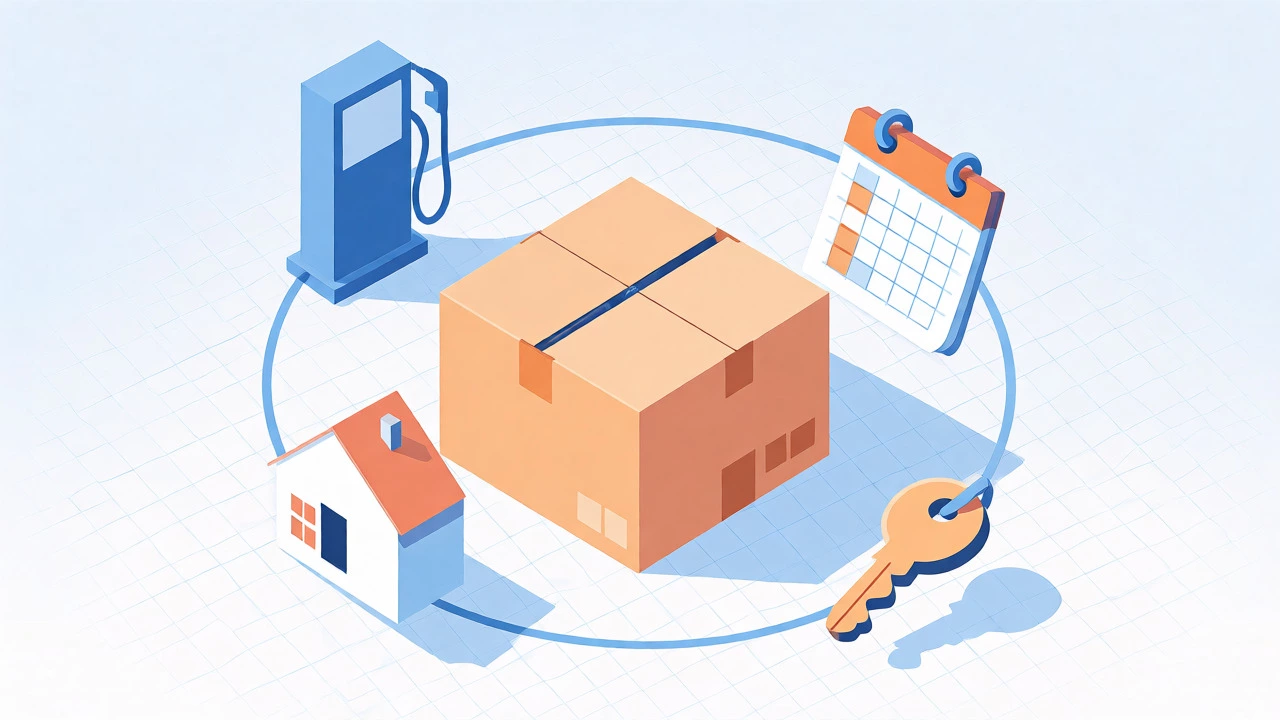
The sticker price you see online is rarely the final amount you pay. Several surcharges lurk in the fine print. First, there’s the residential delivery fee. Most business addresses get discounted rates, but delivering to a home? Add NZ$5 to NZ$10. Couriers claim this covers the extra time drivers spend navigating unfamiliar neighborhoods versus industrial parks.
Then there’s fuel surcharges. These fluctuate monthly based on oil prices. In late 2026, expect an additional 10-15% added to the base rate. It’s annoying, but unavoidable unless you ship via a broker who absorbs this cost. Insurance is another trap. Basic coverage usually caps at NZ$100. If you’re sending a laptop worth NZ$1,500, you need declared value insurance. This costs roughly 1-2% of the item’s value. Skipping it to save NZ$15 could cost you thousands if the package goes missing.
Don’t forget about remote area surcharges. Living outside major hubs like Auckland, Wellington, or Christchurch adds complexity. Some rural zones incur an extra NZ$10-$20 fee because they require special routing. Check the carrier’s postcode lookup tool before booking. Assuming your address is "standard" is a common mistake that leads to surprise invoices.
Factors That Change the Price Dynamically
Time of year matters more than you think. During peak seasons-Christmas, Valentine’s Day, or Black Friday sales-demand spikes. Carriers implement surge pricing, raising rates by 20-30%. If you’re sending a wedding invitation in December, book weeks in advance. Last-minute bookings during peak times are expensive and risky.
Distance plays a role too. While many domestic services offer flat-rate next-day delivery nationwide, some regional operators charge per kilometer. Sending from Wellington to Dunedin might cost slightly more than Wellington to Christchurch due to transit time constraints. International overnight mail is a whole different beast. Shipping to Australia might cost NZ$30-$50, while shipping to the US or Europe can easily exceed NZ$100-$150 for similar weights. Customs clearance fees also apply internationally, adding unpredictable delays and costs.
How to Save Money Without Losing Speed
You don’t always have to pay the retail counter price. Using online shipping platforms allows you to compare rates across multiple carriers instantly. Services like ShipStation or local aggregators often negotiate bulk discounts with couriers, passing some savings to you. You might save 10-15% compared to walking into a post office.
Consider whether you truly need "overnight." If the recipient can accept the package by the end of the next day rather than the morning after, standard express shipping is often half the price. Ask yourself: Is this a life-or-death deadline? If not, downgrade the service level. Also, consolidate shipments. Sending three separate envelopes costs three times as much as putting them all in one padded envelope. Weight thresholds matter-staying under 500g keeps you in the lowest bracket.
Finally, check for corporate accounts. If you ship regularly, opening a business account with Aramex or DHL unlocks tiered pricing. Even small businesses can qualify. Negotiate annual contracts if you predict steady volume. This turns variable shipping costs into predictable operational expenses.
When to Choose Alternatives
Is overnight mail always the answer? Not necessarily. For hyper-local deliveries within the same city, bike couriers or on-demand apps like Uber Connect or local equivalents can be faster and sometimes cheaper for very small items. They bypass the hub-and-spoke sorting system entirely. However, they lack the reliability and tracking depth of established carriers.
For digital documents, consider secure e-signature platforms first. Physical mailing should be reserved for physical goods or legally required hard copies. If you must ship, plan ahead. Waiting until the last minute forces you into premium tiers. Schedule pickups instead of dropping off; some carriers waive pickup fees for business accounts, saving you travel time and fuel.
What is the cheapest way to send overnight mail?
The cheapest option is usually standard postal services like New Zealand Post for lightweight items, provided you meet their drop-off cutoff times. Avoiding residential delivery fees by sending to a business address can also reduce costs significantly. Using online comparison tools often yields better rates than retail counters.
Does overnight mail guarantee delivery by 9 AM?
No, standard overnight mail typically guarantees delivery by the end of the business day (5 PM). To ensure arrival by 9 AM or 10 AM, you must select a specific 'First Flight' or 'Morning Priority' service, which costs considerably more.
Are there extra fees for weekend delivery?
Yes, most carriers charge a significant surcharge for Saturday or Sunday delivery. Weekend services are considered premium because they require specialized staffing and logistics. Expect to pay 50-100% more than weekday rates for weekend drops.
What happens if my overnight package is late?
Most reputable carriers offer a money-back guarantee if the package misses the committed delivery window. You usually need to file a claim within a specific timeframe (often 15-30 days) and provide proof of the delay. Refunds cover the shipping cost, not necessarily the value of the contents unless insured.
Can I track my overnight shipment?
Yes, virtually all overnight services include real-time tracking. You receive a unique tracking number upon booking. Major carriers like DHL, FedEx, and Aramex provide detailed scans at every hub, allowing you to monitor progress from pickup to delivery.