How Hard Is a Logistics Job? The Real Physical and Mental Toll Explained
Logistics Career Difficulty & Fit Calculator
Select a logistics role to analyze its specific physical and mental challenges.
Warehouse Picker
Floor operations, lifting, scanning, fast-paced environment.
High PhysicalDispatcher / Planner
Route optimization, crisis management, constant communication.
High MentalTruck Driver
Long hours, isolation, safety focus, regulatory compliance.
Mixed DemandInventory Analyst
Data accuracy, software usage, detail-oriented planning.
Low PhysicalAnalysis for [Role]
Difficulty Breakdown
Primary Challenge:
Speed and Repetition
Key Factors
Loading...
Picture this: It’s 5:30 AM on a Tuesday in mid-July. The sun hasn’t fully risen over Wellington, but inside the distribution center, the air is already thick with the hum of conveyor belts and the shout of shift supervisors. You’ve got twelve hours ahead of you. Your feet are already tired from yesterday, your back is stiff, and the manager just announced that three trucks arrived late, meaning the picking targets for the day have increased by fifteen percent. You check your scanner, take a deep breath, and start walking.
This isn’t a horror story; it’s a standard operating procedure for many roles within logistics is the detailed organization and implementation of a complex operation involving the movement of goods, services, and information. When people ask, "How hard is a logistics job?" they often expect a simple yes or no. The answer is complicated because the difficulty depends entirely on where you sit in the chain. Are you driving the truck, managing the warehouse floor, or optimizing routes via software from an office chair?
The Physical Reality of Warehouse Operations
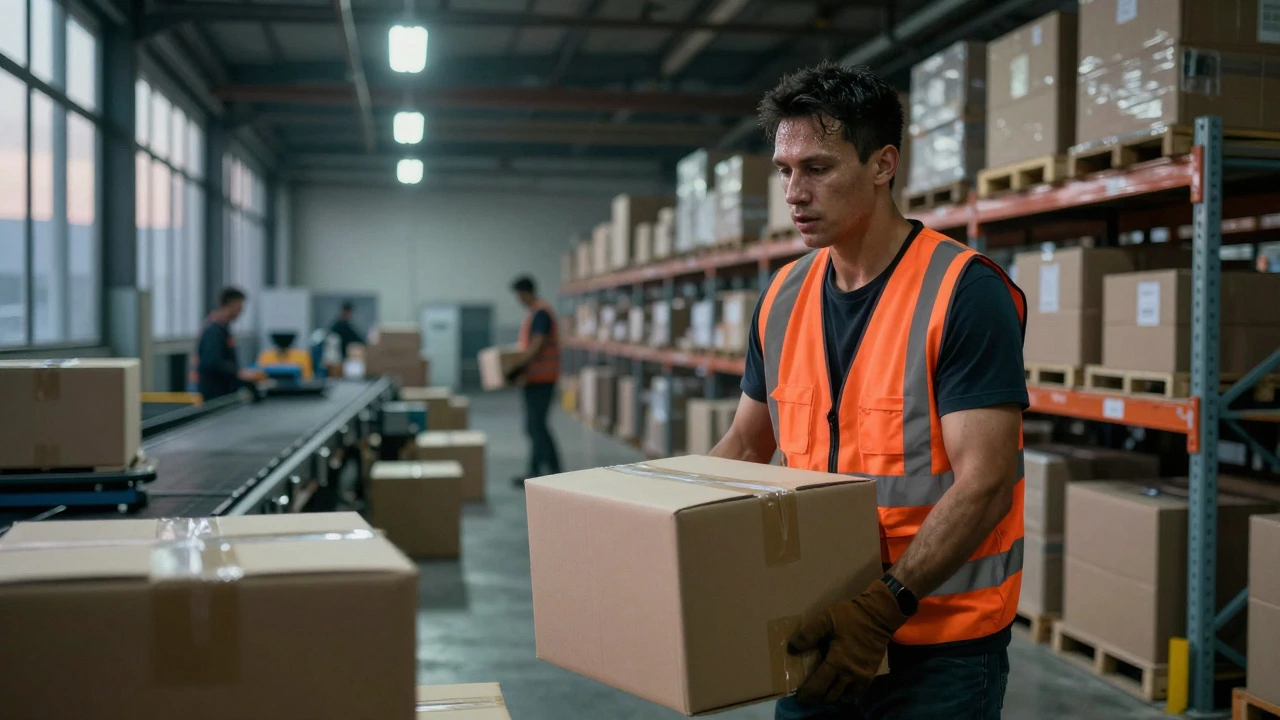
If your role involves working on the floor-often referred to as order picking, packing, or inventory control-the hardness of the job is measured in steps, pounds, and time. This is the most physically demanding segment of the industry. According to data from occupational health studies, warehouse workers average between 15,000 and 25,000 steps per shift. That is not a casual walk around the block; that is constant motion under pressure.
The physical toll comes from repetitive strain. You are lifting boxes, reaching high shelves, bending down to scan barcodes, and twisting your torso to place items into bins. Over months and years, this leads to specific injuries. Lower back pain is the number one complaint among logistics floor staff. Carpal tunnel syndrome and shoulder impingements follow closely behind. If you don’t have proper lifting techniques or supportive footwear, the body breaks down faster than expected.
Then there is the environment. Warehouses are not always climate-controlled. In summer, temperatures can soar above thirty degrees Celsius near loading docks where doors are constantly opening. In winter, cold fronts sweep through, making fingers numb and slowing down dexterity. Noise levels often exceed eighty-five decibels, requiring ear protection and forcing you to rely on hand signals or radios rather than casual conversation. It is an industrial setting, plain and simple.
- Repetitive Motion: Constant lifting, scanning, and sorting lead to musculoskeletal disorders.
- Environmental Stress: Extreme temperatures and loud machinery affect concentration and comfort.
- Speed Pressure: Metrics like "lines picked per hour" create a race against the clock.
Mental Load: The Dispatcher and Planner Perspective
Move away from the warehouse floor and into the dispatch office, and the nature of the hardship changes. Here, the job is less about muscle and more about cognitive endurance. A logistics planner or dispatcher acts as the brain of the operation. They are responsible for coordinating drivers, managing delivery windows, and solving problems in real-time.
The mental load here is intense because everything is interconnected. If a driver gets a flat tire in Auckland, it doesn’t just affect that one delivery. It disrupts the entire route, potentially causing missed appointments for other customers, triggering penalty fees, and requiring immediate reassignment of another driver. You are juggling dozens of variables simultaneously: traffic conditions, vehicle breakdowns, customer availability, and regulatory compliance.
Stress in these roles stems from unpredictability. Despite advanced planning tools, things go wrong. Weather delays flights. Ports get congested. Customers change their minds at the last minute. The planner must make quick decisions with incomplete information. One bad decision can cost the company thousands of dollars or damage a long-term client relationship. This constant state of alertness leads to burnout if boundaries aren’t strictly enforced.
Furthermore, communication is a major part of the workload. Dispatchers spend up to sixty percent of their day on the phone or messaging apps. Dealing with frustrated customers who haven’t received their packages requires patience and emotional intelligence. It is easy to become desensitized to complaints after hearing them hundreds of times, which can lead to compassion fatigue.

The Role of Technology in Reducing Difficulty
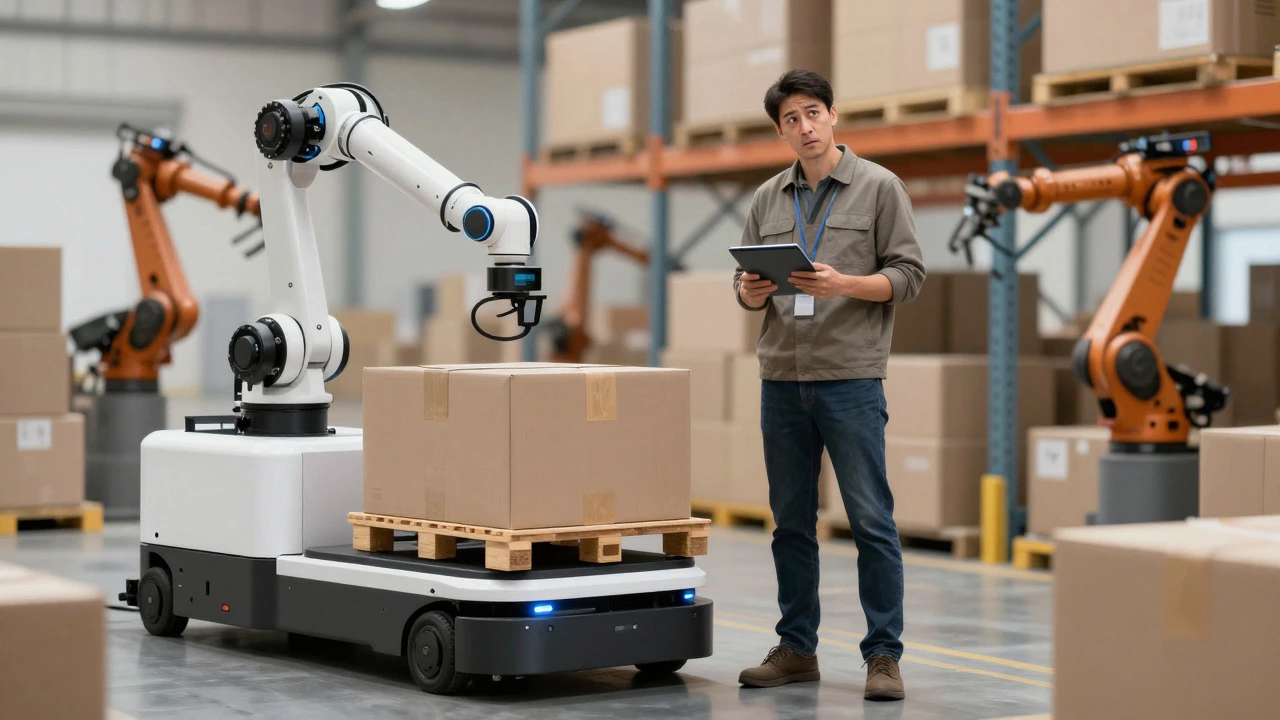
It is important to acknowledge that logistics has evolved significantly. The introduction of automation and digital tools has altered the difficulty curve for many jobs. For warehouse workers, automated guided vehicles (AGVs) and robotic arms now handle heavy lifting and repetitive sorting tasks. This reduces physical strain but introduces a new challenge: keeping pace with machines. Robots do not get tired, so human workers must maintain a steady output to avoid bottlenecks.
For planners, Logistics Software is digital platforms that optimize supply chain operations, including transportation management systems (TMS) and warehouse management systems (WMS). These systems use algorithms to predict demand, optimize routes, and track inventory in real-time. This reduces the guesswork and manual calculation that used to plague the profession. Instead of manually plotting routes on a map, a dispatcher can click a button to generate the most efficient path based on current traffic data.
However, technology also adds complexity. Workers must be digitally literate. Learning to use sophisticated scanners, tablets, and software interfaces takes time and training. There is a learning curve, and older workers sometimes struggle to adapt quickly enough. Additionally, reliance on technology means that when systems crash-which they do-the entire operation can grind to a halt, creating panic and confusion.
| Role | Primary Challenge | Physical Demand | Mental Demand |
|---|---|---|---|
| Warehouse Picker | Speed and Repetition | High | Low-Medium |
| Dispatcher/Planner | Problem Solving & Communication | Low | Very High |
| Truck Driver | Isolation & Safety | Medium | Medium-High |
| Inventory Analyst | Data Accuracy & Detail | Low | Medium |
Safety Risks and Regulatory Pressure
No discussion about how hard a logistics job is complete without addressing safety. The industry consistently ranks high in workplace injury statistics. Forklift accidents, slips and falls, and being struck by moving objects are common hazards. Working alongside heavy machinery requires constant vigilance. One moment of distraction can result in serious injury or death.
Beyond physical safety, there is regulatory pressure. Logistics companies must comply with strict labor laws regarding working hours, rest breaks, and maximum driving times. For truck drivers, logbooks are monitored electronically. Exceeding legal limits results in heavy fines for both the driver and the company. This creates a tension between meeting delivery deadlines and adhering to safety regulations. Drivers often feel pressured to push themselves beyond safe limits to meet unrealistic schedules set by headquarters.
In New Zealand, for example, the Health and Safety at Work Act places significant responsibility on employers to provide a safe environment. However, enforcement varies, and small operators may cut corners to save costs. Workers need to be aware of their rights and know how to report unsafe conditions without fear of retaliation.
Job Satisfaction vs. Job Strain
Despite the hardships, many people find logistics rewarding. There is a tangible sense of accomplishment when a complex shipment arrives on time. You see the direct impact of your work. Unlike some corporate roles where outcomes are abstract, logistics is concrete. If you pick the box, it gets shipped. If you plan the route, the truck moves. This clarity can be satisfying.
Career progression is another positive aspect. Starting as a picker or assistant dispatcher, you can move up to supervisor, manager, or director roles within a few years. The industry values experience and reliability. Those who demonstrate strong problem-solving skills and leadership abilities often find stable, well-paying careers.
However, job satisfaction is heavily influenced by management quality. A supportive supervisor who listens to concerns and provides adequate resources makes a difficult job manageable. A toxic manager who screams and blames employees for systemic issues makes even an easy job unbearable. Culture matters immensely in logistics.
Who Should Consider a Career in Logistics?
Understanding how hard the job is helps you decide if it’s right for you. If you enjoy physical activity, don’t mind routine, and prefer clear instructions, warehouse roles might suit you. You need stamina, attention to detail, and the ability to work in a team.
If you thrive under pressure, enjoy puzzles, and are good at multitasking, dispatching or planning could be a better fit. You need strong communication skills, calmness in crises, and proficiency with computers.
Avoid logistics if you crave total autonomy or dislike structured environments. The industry runs on schedules and metrics. Deviations are penalized. Flexibility is limited during peak seasons like Christmas or Black Friday, when demand spikes and overtime becomes mandatory.
Is logistics a stressful job?
Yes, logistics can be highly stressful due to tight deadlines, unpredictable disruptions, and high performance expectations. Stress levels vary by role, with dispatchers and planners facing higher mental stress, while warehouse workers face physical stress and speed pressure.
What are the biggest physical risks in logistics jobs?
The biggest physical risks include back injuries from lifting, repetitive strain injuries from scanning and sorting, and accidents involving forklifts or heavy machinery. Proper training and ergonomic equipment help mitigate these risks.
Do logistics jobs require a lot of standing?
Most warehouse and floor-based logistics roles require standing and walking for the entire shift, often totaling 15,000 to 25,000 steps. Office-based roles like planning or analysis involve mostly sitting but require frequent breaks to manage screen time.
Can you advance in a logistics career?
Absolutely. Logistics offers clear career paths from entry-level positions like picker or assistant dispatcher to senior roles such as warehouse manager, supply chain director, or logistics consultant. Experience and certification enhance advancement opportunities.
How does technology change the difficulty of logistics work?
Technology reduces physical strain through automation but increases the need for digital literacy. While robots handle heavy lifting, humans must keep up with machine speeds. Software simplifies planning but requires continuous learning and adaptation to new systems.