Does Gordon Ramsay Use HexClad at Home? The Truth Behind the Partnership
Cookware Compatibility Quiz
Not sure if you should buy HexClad or stick with traditional pro-standard pans? Answer these 5 questions to find out which cookware aligns best with your kitchen reality.
1. How do you feel about cleaning up after dinner?
2. What is your primary cooking goal for a weeknight dinner?
3. How do you handle high heat?
4. Are you willing to maintain seasoning on your pans?
5. How long do you expect your cookware to last?
Your Recommendation
Why this fits you:
You see his name on the box. You see him in the commercials flipping steaks with a confidence that makes you want to buy the pan immediately. But does Gordon Ramsay actually use HexClad hybrid cookware in his own home kitchen? It is the million-dollar question for anyone staring at the price tag of a HexClad set and wondering if it is genuine culinary gear or just clever marketing.
The short answer is complicated, but mostly no-at least not exclusively. While Ramsay is the face of the brand, his relationship with HexClad is primarily a business endorsement. However, understanding the nuance here helps you decide if these pans are right for your stove. Let's break down what we know about the chef’s actual cooking habits versus the promotional narrative.
The Anatomy of the Celebrity Chef Endorsement
Celebrity endorsements in the kitchenware industry are rarely about daily utility. They are about trust transfer. When Gordon Ramsay appears in a HexClad ad, he is lending his reputation for perfectionism to a product line. This is standard practice. Think of how other chefs endorse brands like Calphalon, All-Clad, or Le Creuset. Does every dish they serve come from those specific pots? Unlikely.
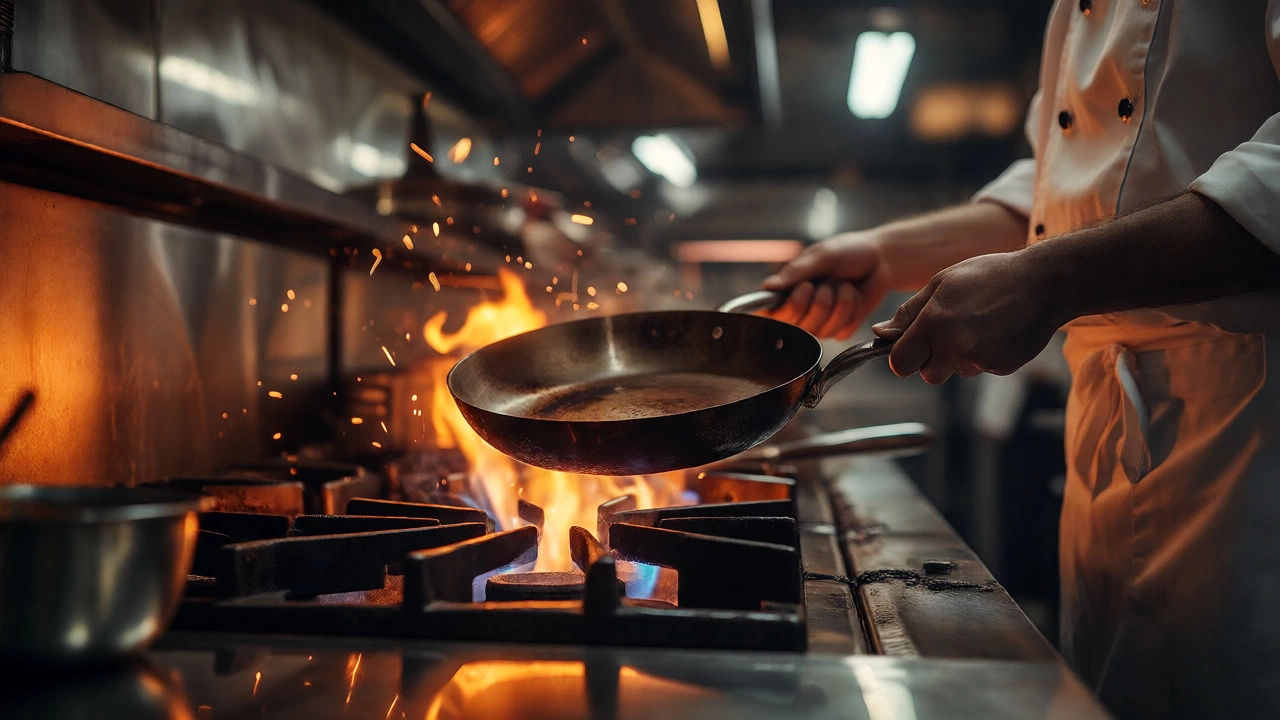
Ramsay has stated in interviews that he likes the versatility of HexClad because it bridges the gap between non-stick ease and stainless steel durability. For a busy chef juggling multiple restaurants, having one pan that can sear a steak and then fry an egg without sticking is appealing. But "appealing" doesn't mean "exclusive." His professional kitchens rely heavily on industrial-grade carbon steel and high-end stainless steel, not consumer-focused hybrids.
What HexClad Actually Is (And Why It Matters)
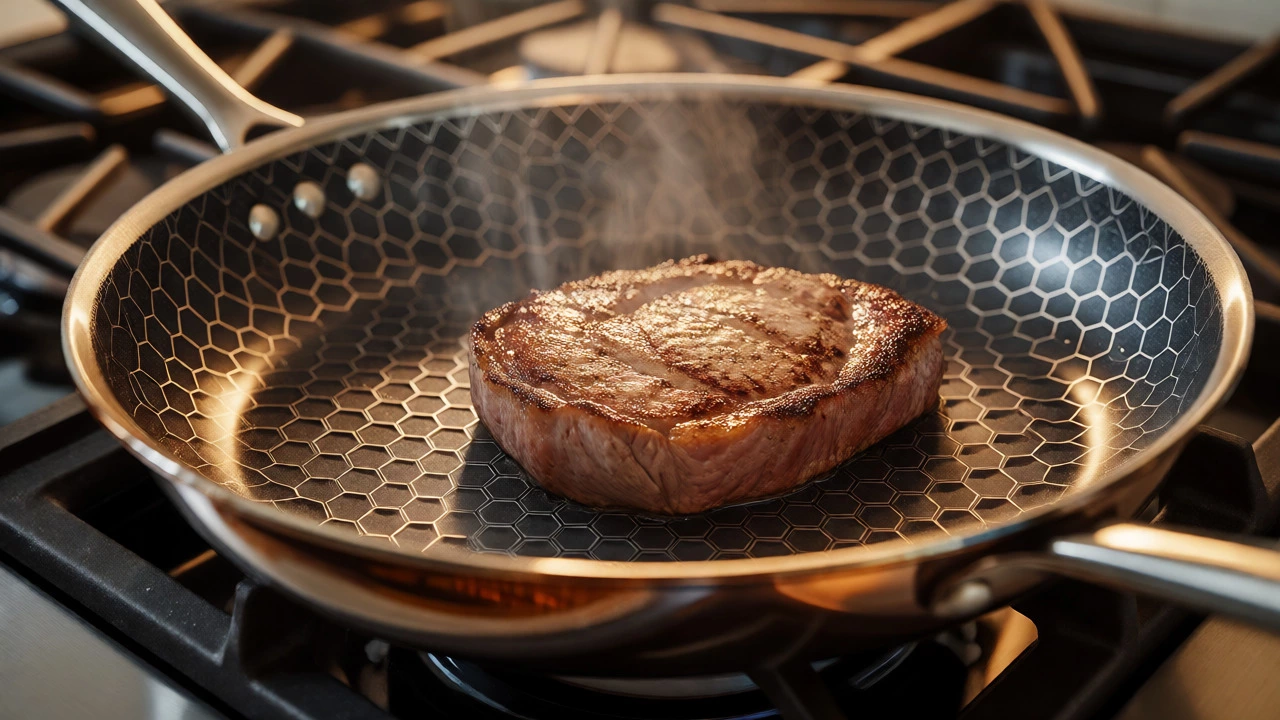
To understand why Ramsay might pick up a HexClad pan occasionally, you have to look at the engineering. HexClad cookware is a hybrid design. It features a laser-etched hexagonal pattern on the surface. The raised peaks are made of stainless steel, while the valleys contain PFOA-free non-stick coating.
- Stainless Steel Peaks: These allow for browning and deglazing, which pure non-stick pans cannot do effectively.
- Non-Stick Valleys: These prevent food from adhering, making cleanup easier than traditional cast iron.
- Tri-Ply Construction: Most models include an aluminum core sandwiched between steel layers for even heat distribution.
This design solves a real problem: most home cooks struggle to choose between the ease of non-stick and the performance of stainless steel. HexClad claims to offer both. If Ramsay uses it, it is likely for quick home meals where speed and easy cleanup trump the absolute precision required in a Michelin-starred service.
Evidence From Social Media and Interviews
If you scroll through Ramsay’s Instagram or watch his YouTube channel, you will notice a mix of equipment. He frequently uses pans that do not bear the HexClad logo. In many behind-the-scenes clips from his restaurants, you see well-worn carbon steel skillets-tools that have been seasoned over years of high-heat abuse. These are not HexClad products.
However, there are instances where he holds HexClad pans during cooking demos. In these scenarios, he often highlights the induction compatibility and the dishwasher safety. These are features aimed squarely at the suburban homeowner, not the professional line cook who washes by hand in a three-compartment sink. The context matters. When he is teaching a home cook how to make a perfect omelet, a HexClad pan is a practical tool. When he is plating a scallop crudo, he is using something else.
Comparing HexClad to Other Pro-Standard Cookware
Is HexClad better than what Ramsay uses professionally? That depends on your goal. Professional chefs prioritize heat retention, responsiveness, and longevity under extreme conditions. Home users prioritize convenience and maintenance. Here is how the key players stack up in terms of attributes relevant to both groups.
| Feature | HexClad Hybrid | Carbon Steel (Pro Standard) | High-End Stainless Steel |
|---|---|---|---|
| Primary User | Home Cooks / Busy Parents | Professional Chefs | Professional Chefs / Serious Hobbyists |
| Maintenance | Dishwasher Safe | Hand Wash & Season Regularly | Hand Wash or Dishwasher (depending on grade) |
| Heat Tolerance | Medium-High (Coating Limit) | Extremely High | Very High |
| Food Release | Excellent (Hybrid) | Good (If Seasoned Well) | Poor (Requires Technique) |
| Lifespan | 5-10 Years (Coating Degrades) | Decades (With Care) | Decades |
Notice the lifespan difference. Carbon steel pans used by pros like Ramsay last forever if cared for. HexClad pans have a non-stick component that eventually wears out. This suggests that while Ramsay may appreciate the technology, he wouldn't rely on it as his sole workhorse in a commercial setting where consistency is everything.
Why the Partnership Exists
HexClad needed credibility. Entering the crowded cookware market is hard. By partnering with Gordon Ramsay, they gained instant recognition. Ramsay, in turn, gets a lucrative deal and a product that aligns with his "accessible excellence" brand. He wants to empower home cooks. Selling them a pan that behaves like a pro tool but cleans like a toy fits that mission.
It is worth noting that Ramsay has also collaborated with other brands. He has a line with Tefal and has worked with J.A. Henckels knives. A multi-brand strategy indicates that no single company owns his loyalty. He tests tools, and if they perform, he endorses them. If HexClad performs well in his home kitchen for breakfast tasks, he uses it. If it fails a searing test, he switches to cast iron.
Should You Buy HexClad Based on Ramsay’s Usage?
Don't buy cookware because a celebrity uses it. Buy it because it solves your specific problems. Ask yourself these questions:
- Do you hate scrubbing pans? If yes, HexClad’s hybrid surface is a legitimate upgrade from traditional stainless steel.
- Do you cook at very high heats? If you love charred edges on your steak, pure stainless steel or carbon steel might be better. Non-stick coatings, even durable ones, degrade faster at extreme temperatures.
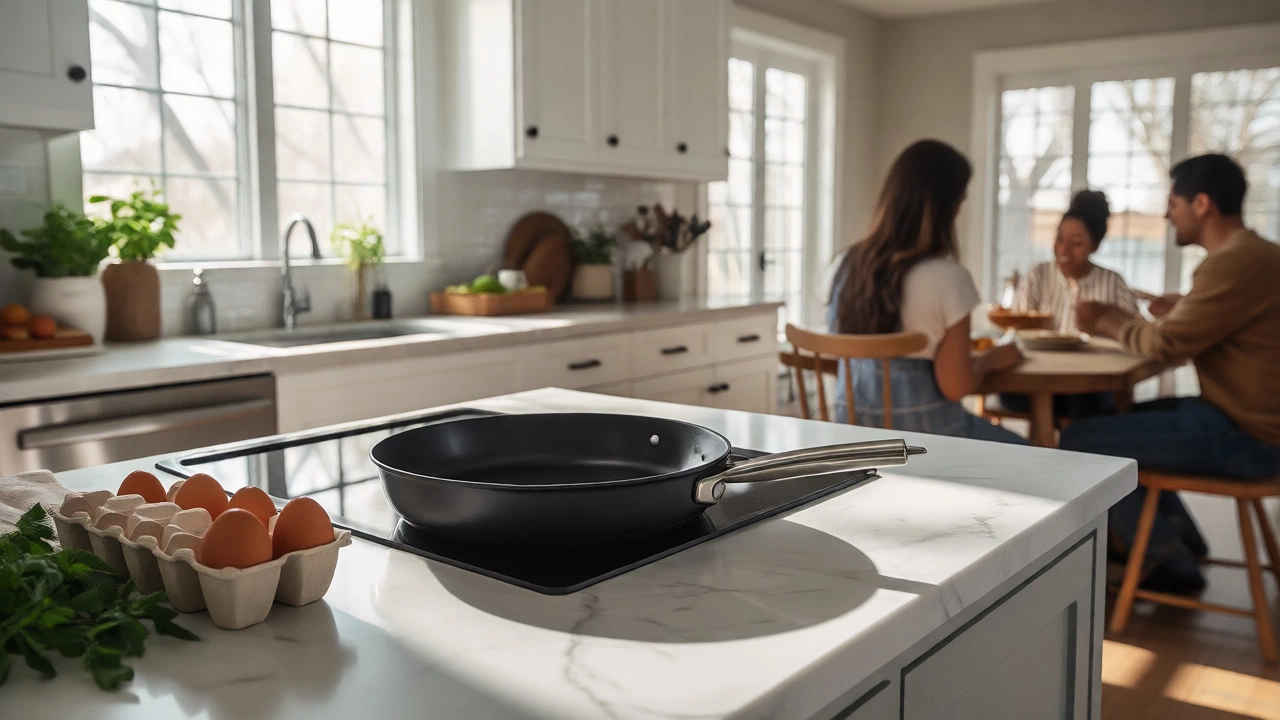
- Do you have an induction stove? HexClad is induction-ready. So is Le Creuset and All-Clad. Check your current pans first.
- Are you willing to replace pans? Unlike cast iron, you will likely need to replace HexClad pans after several years of heavy use.
If you are looking for a "do-it-all" pan for weeknight dinners, eggs, and light sautéing, HexClad is a strong contender. It is not magic, but it is convenient. If you are trying to replicate the exact sear on a ribeye that Ramsay achieves in a restaurant, you might be disappointed by the lack of pure metal-to-metal contact found in professional pans.
Alternatives Worth Considering
If you are on the fence about HexClad, consider these alternatives that Ramsay or other top chefs often respect:
- All-Clad D3: The gold standard for stainless steel. Requires more oil and technique but lasts a lifetime.
- De Buyer Mineral B: Affordable carbon steel. Needs seasoning but offers incredible heat control. This is closer to what pros actually use.
- Le Creuset: Best for braising and slow cooking. Not ideal for quick searing compared to thinner pans.
- Scanpan: Another hybrid option with ceramic-titanium coating. Often cheaper than HexClad.
Each has its place. Your choice should depend on your cooking style, not just the face on the box.
Does Gordon Ramsay own HexClad?
No, Gordon Ramsay does not own HexClad. He is a brand ambassador and partner. The company was founded by Daniel Winer and later acquired by various investment firms. Ramsay receives compensation for promoting the brand and providing input on product development.
Is HexClad cookware really non-stick?
Yes, but it is a hybrid. The raised stainless steel parts are not non-stick, but the recessed areas are coated. This means it is less slippery than pure Teflon pans but significantly easier to clean than bare stainless steel. It requires some fat (oil or butter) for best results, unlike true non-stick which can handle dry heat better.
Can I use metal utensils on HexClad pans?
Yes, HexClad explicitly markets their pans as metal-utensil safe. The raised stainless steel peaks protect the non-stick valleys from scratches. However, using sharp knives directly on the surface is still not recommended, as it can damage the coating over time.
How long do HexClad pans last?
With proper care, HexClad pans typically last between 5 to 10 years. The lifespan depends on heat usage and cleaning habits. Using high heat unnecessarily or putting them in the dishwasher too often can accelerate the degradation of the non-stick coating.
Does Gordon Ramsay use any other cookware brands?
Yes, Ramsay has endorsed and used products from Tefal, J.A. Henckels (knives), and has been seen using Le Creuset and All-Clad in various contexts. Professional chefs often prefer carbon steel pans like De Buyer for high-heat cooking, which are different from the consumer-focused HexClad line.