Does a Courier Need a License? A Complete Guide for 2026
Courier License & Requirements Checker
Input Your Details
Enter your details to see what licenses you need.
You’ve got the van, you’ve got the routes, and you’re ready to start delivering packages. But before you hit the road, there’s one question that stops most new drivers in their tracks: do you actually need a special license to be a courier? The short answer is yes, but it’s rarely the complicated paperwork people fear. In most cases, your standard driver’s license is enough. However, the "but" comes with conditions depending on what you carry, how heavy your vehicle is, and where you drive.
Understanding these rules isn’t just about avoiding fines; it’s about protecting your livelihood. If you get pulled over without the right documentation, your vehicle could be impounded, and your business could face shutdown orders. Let’s break down exactly what licenses and permits you need to operate legally in 2026.
The Standard Driver’s License: Your Starting Point
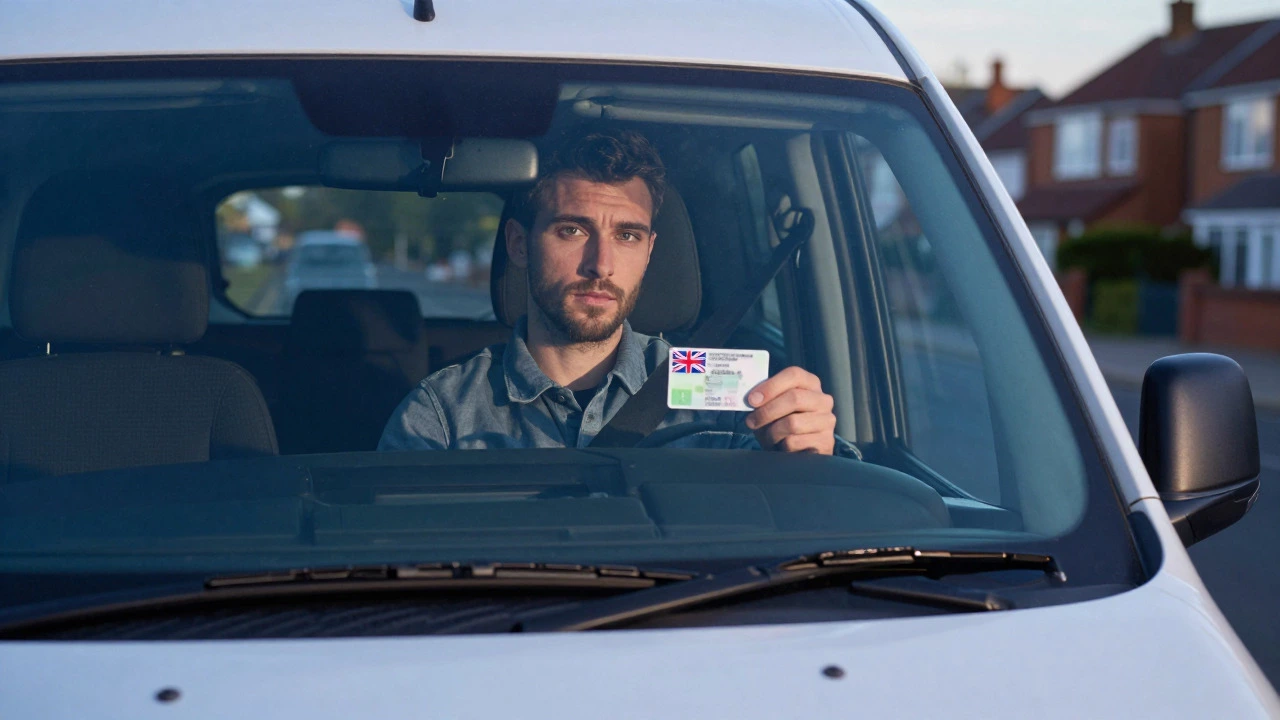
For the vast majority of couriers who deliver local packages, documents, or small parcels using a car, van, or motorcycle, a standard Class C driver’s license is all you need. This applies if your vehicle weighs less than 26,001 pounds and carries fewer than 16 passengers (including the driver). Most delivery vans, sedans, and pickup trucks fall into this category.
If you already have a valid driver’s license from your state of residence, you are technically licensed to drive commercially for hire. There is no separate "courier license" issued by the DMV for light vehicles. However, having the license is only half the battle. You also need to ensure your insurance policy covers commercial use. Personal auto insurance often denies claims if an accident occurs while you are making money, which can leave you personally liable for thousands of dollars in damages.
- Vehicle Weight: Under 26,001 lbs Gross Vehicle Weight Rating (GVWR).
- Cargo Type: Non-hazardous materials.
- Passengers: Fewer than 16.
If your setup fits these criteria, you can start driving immediately after securing proper commercial insurance.
When Do You Need a Commercial Driver’s License (CDL)?
Things change when you step up to heavier equipment. If you plan to deliver large appliances, pallets of goods, or operate box trucks, you might cross the threshold into Commercial Driver’s License (CDL) territory. The federal government mandates a CDL if your vehicle meets any of the following criteria:
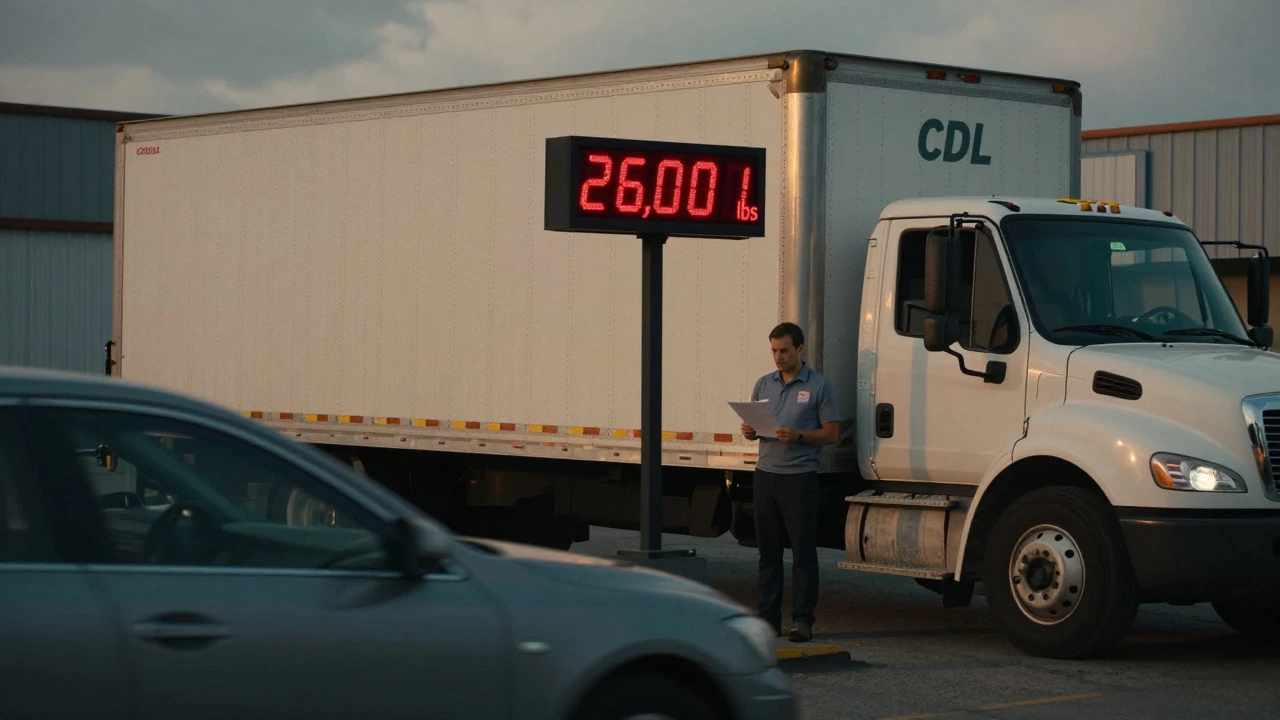
- Weight Threshold: The vehicle has a GVWR of 26,001 pounds or more.
- Towing Capacity: The vehicle is designed to tow another vehicle weighing more than 10,000 pounds.
- Hazmat Transport: You are transporting hazardous materials requiring placarding.
- Passenger Count: The vehicle is designed to transport 16 or more people, including the driver.
For couriers, the weight limit is the most common trigger. A typical medium-duty box truck often sits right around that 26,000-pound mark. If your truck is slightly under the limit, you keep your Class C license. If it’s over, you need a Class B CDL (for straight trucks) or a Class A CDL (if towing a heavy trailer).
Getting a CDL involves passing a written knowledge test and a skills test behind the wheel. It costs money and time, so it’s crucial to check the specifications of your intended vehicle before buying or leasing it. Many courier businesses deliberately choose vehicles just under the 26,000-lb limit to avoid this requirement.
Specialized Permits: Hazmat, Oversize, and Alcohol
Your cargo dictates your licensing needs. Delivering Amazon boxes is straightforward, but delivering medical supplies, industrial chemicals, or alcohol requires extra steps.
| Cargo Type | License Required | Additional Permits/Certifications |
|---|---|---|
| General Parcels (Documents, Clothing) | Standard Class C | None (Commercial Insurance Required) |
| Hazardous Materials (Chemicals, Fuel) | CDL with Hazmat Endorsement | TSA Background Check, Hazmat Training |
| Oversize Loads (Construction Materials) | CDL (Usually Class A or B) | Oversize/Overweight Permit per trip |
| Alcohol/Beverages | Standard Class C or CDL | State-Specific Liquor License/Permit |
| Medical Supplies (Temperature Controlled) | Standard Class C or CDL | GDP Compliance Training (Good Distribution Practice) |
For example, if you deliver beer or wine, many states require a specific liquor permit even if you aren’t selling the product yourself. Similarly, transporting hazardous materials requires a rigorous background check through the Transportation Security Administration (TSA) and additional training on safety protocols. These endorsements take months to process, so plan ahead.
Business Licenses and Local Regulations
Having a license to drive is different from having a license to operate a business. Even if your driving credentials are perfect, you need legal standing to run a courier service.
First, you need a general Business License from your city or county. This registers your company name and allows you to collect taxes if applicable. Second, consider forming an LLC (Limited Liability Company). While not strictly a "license," an LLC separates your personal assets from your business liabilities. If you crash into a client’s gate, they sue the LLC, not you personally.
Don’t overlook local zoning laws. Some residential areas prohibit commercial vehicles from parking overnight or operating out of a home garage. If you’re running a fleet, you may need a commercial depot with proper signage and loading zones. Additionally, some cities impose congestion charges or low-emission zone fees for commercial vehicles entering downtown areas during peak hours.
Insurance: The Hidden License Requirement
In the world of logistics, insurance acts as a de facto license. Without it, you cannot secure contracts with major retailers or freight brokers. Most clients will ask for proof of insurance before signing a deal.
You need at least two types of coverage:
- Commercial Auto Liability: Covers damage you cause to others. Minimum limits vary by state, but $1 million is the industry standard for serious contracts.
- Cargo Insurance: Covers the goods you are carrying. If you drop a package worth $5,000, personal insurance won’t pay for it. Cargo insurance protects your reputation and your wallet.
Premiums depend on your driving record, vehicle type, and annual mileage. New drivers should expect higher rates until they build a clean history. Keep your policies active and display certificates in your vehicle as required by some local ordinances.

International Considerations
If your courier work crosses borders, the rules multiply. Driving into Canada or Mexico requires an International Driving Permit (IDP) alongside your domestic license. For commercial operations, you may need an IRP (International Registration Plan) apportioned plate, which distributes registration fees based on miles driven in each jurisdiction. This is complex and usually requires a broker to handle the paperwork correctly.
Summary Checklist for New Couriers
To ensure you are fully compliant, run through this checklist before your first paid delivery:
- [ ] Verify your driver’s license is current and unrestricted.
- [ ] Confirm your vehicle’s GVWR is under 26,001 lbs (unless you have a CDL).
- [ ] Obtain commercial auto insurance and cargo insurance.
- [ ] Register your business entity (LLC/Sole Proprietorship).
- [ ] Acquire local business licenses and tax IDs.
- [ ] Check for specific cargo permits (Hazmat, Alcohol, etc.).
- [ ] Install GPS tracking if required by clients or insurance.
Starting a courier business is accessible, but legality is non-negotiable. By understanding the distinction between driving privileges and business permissions, you set yourself up for long-term success. Don’t guess-check with your local Department of Motor Vehicles and a logistics attorney if your operation scales beyond simple local deliveries.
Do I need a CDL to drive a delivery van?
No, you typically do not need a CDL for a standard delivery van. As long as the van weighs less than 26,001 pounds and does not carry hazardous materials or more than 15 passengers, a regular Class C driver’s license is sufficient.
What happens if I drive commercially without proper insurance?
If you are involved in an accident while driving commercially with only personal insurance, your claim will likely be denied. You could be personally liable for all damages, medical bills, and legal fees. Additionally, your business may face lawsuits and loss of contracts.
How much does it cost to get a hazmat endorsement?
The cost varies, but generally includes a TSA background check fee (around $85-$100), training course fees ($200-$500), and testing fees. The entire process can take several weeks due to the background investigation.
Can I operate a courier business from my home?
Yes, many couriers start from home. However, you must check local zoning laws to ensure commercial vehicles are allowed to park in your driveway or street overnight. Some HOAs also restrict business signage or frequent commercial traffic.
Is a business license required for independent courier contractors?
Most cities and counties require a general business license for anyone earning income from a trade, including independent contractors. Operating without one can result in fines and back-taxes. Always check with your local clerk’s office.