Does a Courier Deliver Door to Door? What You Need to Know
Door-to-Door Delivery Estimator
Not sure where your package will end up? Answer these questions to see what you can realistically expect from your courier.
Delivery Estimate
Based on current logistics standards
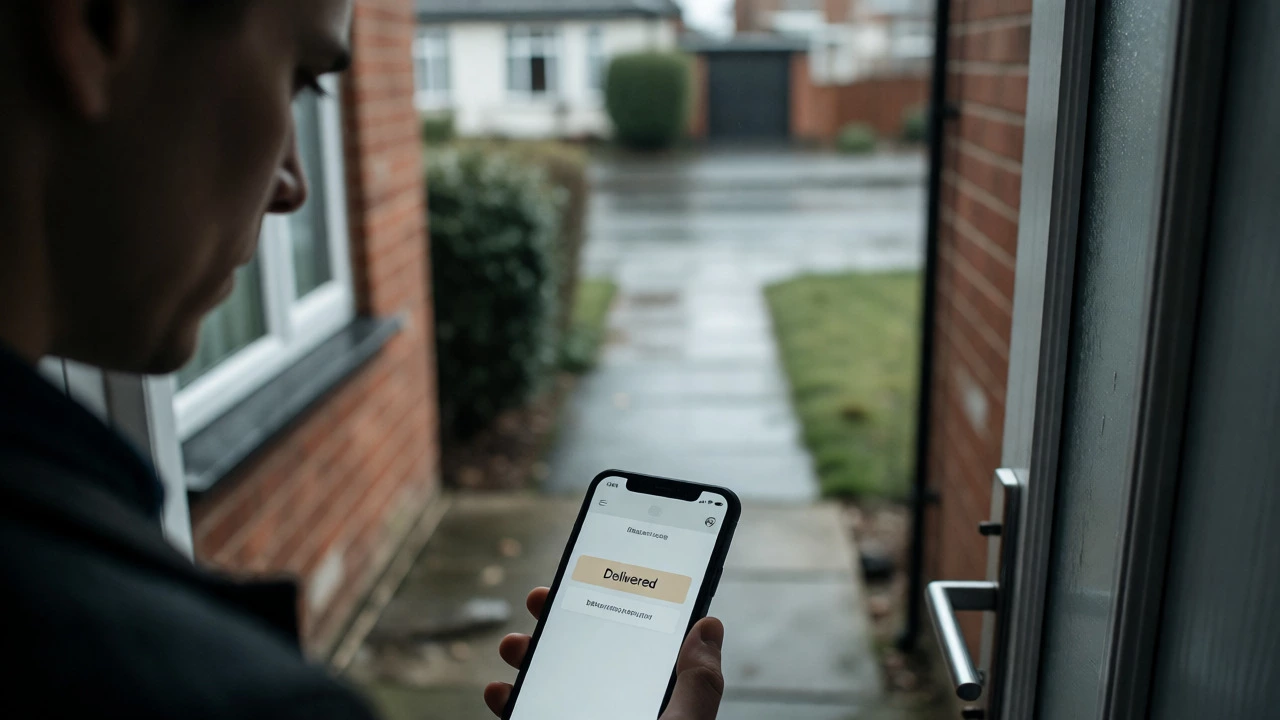
You’re standing at your front door, checking your phone. The tracking app says "Out for Delivery." You wait. And wait. Then the status changes to "Delivered," but there’s no package on your porch. Did the courier deliver it to the wrong address, or is there a specific rule about where they actually leave things? This confusion happens constantly. Most people assume that when they pay for shipping, the driver walks up to their house and hands them the box. But the reality of modern logistics is a bit more nuanced.
The short answer is: usually, yes. But "usually" isn't good enough when you're waiting for a critical document or an expensive gadget. Whether a courier delivers door-to-door depends entirely on three things: the type of service you bought, the size of the item, and local regulations regarding access. Let’s break down exactly what "door to door" means in today’s delivery landscape so you never have to guess again.
What Does "Door to Door" Actually Mean?
In logistics terminology, door-to-door delivery refers to a service where the carrier picks up goods from the sender’s location and transports them directly to the recipient’s specified address. It contrasts with "curbside pickup" or "depot collection," where you have to go get the item yourself. However, there is a massive difference between legal definitions and practical execution.
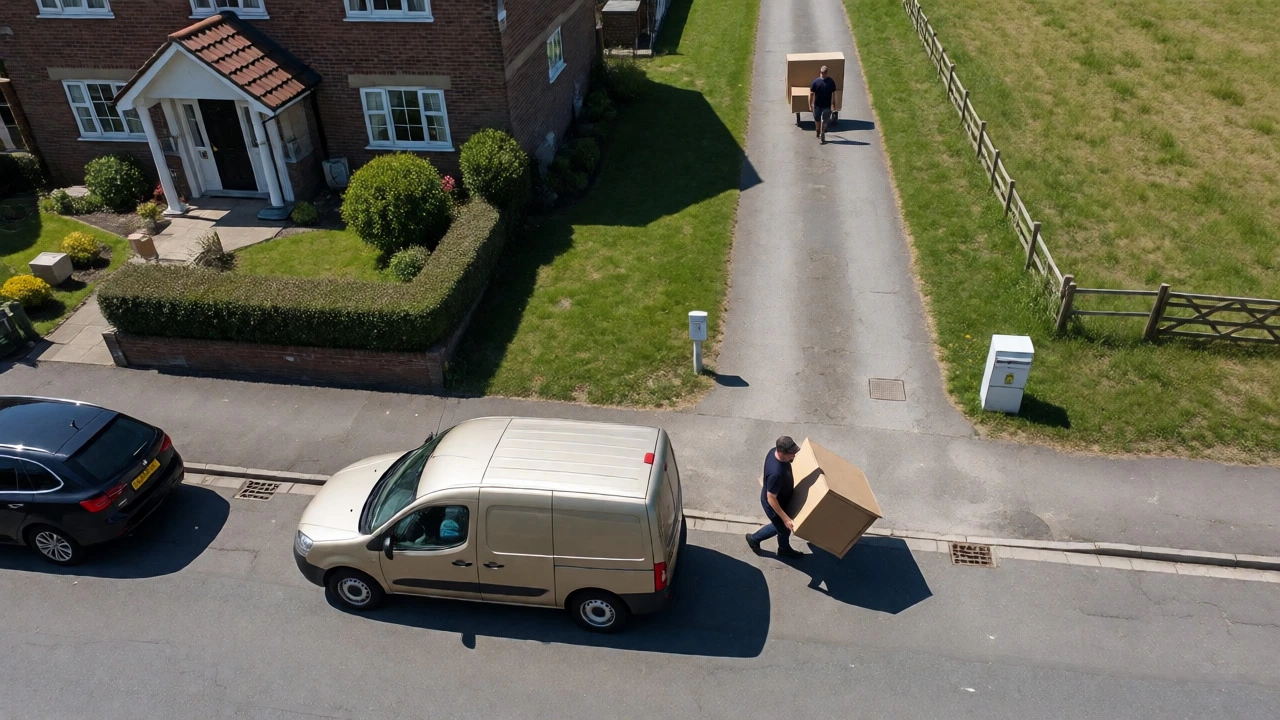
For small parcels-think shoeboxes or documents-door-to-door almost always means the driver will attempt to deliver to your physical doorstep. If you aren’t home, standard protocol varies by company. Some will leave it in a safe place (like behind a pillar), some will take it back to the depot, and others might drop it in a communal mailbox if one exists. For larger freight items, "door-to-door" often stops at the kerb or the building entrance due to safety and liability reasons.
| Service Type | Typical Drop-off Point | Recipient Action Required |
|---|---|---|
| Standard Parcel | Front Door / Porch | None (if left) / Signature (if required) |
| Furniture / Freight | Kerb Side / Building Lobby | Move item inside |
| Express Same-Day | Handed to Recipient | Must be present to sign |
| Courier Locker | Automated Kiosk | Retrieve within 48 hours |
Small Parcels vs. Large Freight: The Size Factor
This is the biggest source of frustration for online shoppers. If you order a t-shirt, the courier can easily walk up your path. If you order a sofa, the logistics change completely. Last-mile logistics providers typically draw a line at around 20-30 kilograms (approx. 45-65 lbs). Anything heavier than this is often classified as freight rather than parcel.
Why does this matter? Because freight drivers rarely carry insurance to enter private homes beyond the threshold. They are insured to transport goods to the point of entry. If you buy a large appliance, check the fine print. It might say "threshold delivery," which means they bring it to your front door, but they won’t unpack it or move it into your kitchen. If it says "kerbside," they stop at the street. Always clarify this before paying for expedited shipping.
Access Issues: Gates, Apartments, and Rural Routes
Even if the service promises door-to-door, physical barriers can stop a delivery cold. In New Zealand, we see this frequently with rural mailboxes. If your letterbox is 50 meters down a long driveway, many couriers will not drive up the lane. They will drop the parcel in the roadside box. Is that "door-to-door"? Technically, no. It’s "mailbox delivery."
Apartment buildings present another challenge. In Wellington, many older blocks don’t have secure concierge desks. Couriers often struggle here. They might try to buzz you, but if you miss the call, they may leave a card and return the next day. Or worse, they might prop the parcel against the wall outside the security gate, where it’s vulnerable to rain or theft. To ensure true door-to-door service in an apartment, you need to provide detailed access instructions: buzzer numbers, security codes, or permission to leave it with a neighbor.
The Rise of Alternative Drop-off Points
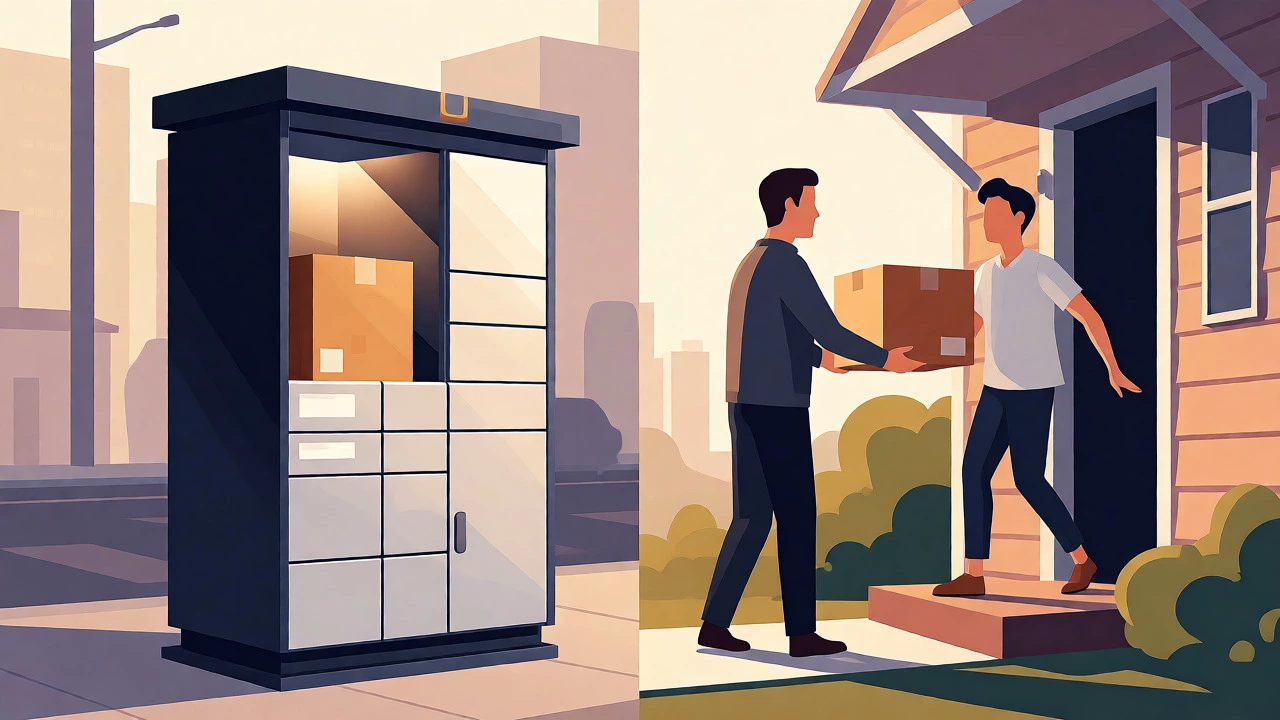
Strictly speaking, dropping a package at a convenience store or a locker is not door-to-door. Yet, this is becoming the default for many e-commerce giants. Why? Efficiency. A courier making 100 deliveries a day cannot afford to spend five minutes waiting for someone to come to the door. By using Pickup Points (such as DHL Packstations or local retail partners), companies reduce failed delivery attempts significantly.
If you select "standard shipping" without specifying a preference, you might find your package waiting at a gas station three kilometers away. This saves the company money, but it shifts the labor onto you. If you want the driver to come to your house, you often have to pay extra for "home delivery" specifically, or choose a premium tier like overnight express, which mandates a signature upon receipt.
How to Guarantee Your Package Comes to Your Door
You don’t have to leave it to chance. Here are four concrete steps to force a true door-to-door experience:
- Add Specific Instructions: Don’t just write "Leave at door." Write "Leave under the green pot on the right side of the porch." This gives the driver confidence to leave it without knocking, saving time and ensuring it stays dry.
- Use Real-Time Tracking: Services like Sendle or NZ Post offer live tracking maps. If you see the driver approaching, step out. Being physically present guarantees hand-over.
- Check the Insurance Terms: High-value items often require a signature. If you don’t want to wait all day, ask the sender to use a service that allows digital signature via SMS, allowing the driver to leave it once you confirm via text.
- Beware of "Safe Place" Policies: Some carriers have strict rules against leaving items in visible areas due to theft risk. If you live in a high-theft area, opt for a locker instead of risking a porch pirate.
When Door-to-Delivery Fails: Common Pitfalls
Sometimes, the system fails. A common issue is the "false delivered" scan. The driver scans the barcode while still in the truck, planning to deliver later, but the system updates immediately. You think it’s lost; they think it’s done. Another pitfall is incorrect address data. If your unit number is missing, the courier may mark the address as "incomplete" and return it to the hub.
Also, consider weather. In severe storms, many carriers suspend non-essential deliveries or switch to kerbside only to protect their staff. These exceptions are rarely communicated in real-time unless you subscribe to email alerts from the carrier directly.
Does every courier deliver to the actual front door?
No. While most parcel services aim for the front door, freight and heavy items are often limited to the kerb or building entrance. Additionally, rural addresses with long driveways may only receive delivery at the roadside mailbox.
What happens if I am not home during delivery?
It depends on the service level. Standard services may leave the parcel in a "safe place" if authorized, or leave a card for re-delivery. Express services usually require a signature, meaning the driver will take the item back to the depot if you are absent.
Is door-to-door delivery included in free shipping?
Usually, yes, for small parcels. However, "free shipping" often routes through third-party networks that prioritize efficiency over personalized service, increasing the likelihood of locker drop-offs or missed attempts.
Can I tell the courier where to leave my package?
Yes, most major carriers allow you to add delivery notes via their website or app before the final leg of the journey. Be specific about hiding spots to avoid theft.
What is the difference between curb-side and door-to-door?
Curb-side means the driver stops at the edge of the road and leaves the item there. Door-to-door means the driver carries the item across your property line to your entrance. Curb-side is common for large furniture or pallets.
Final Thoughts on Managing Expectations
So, does a courier guy deliver door to door? In 90% of cases for standard packages, yes. But that remaining 10% can cost you time and stress. The key is communication. Treat the address field on checkout forms as a map, not just a label. Add details about gates, dogs, and preferred hiding spots. And remember, if you’re buying something heavy, read the delivery policy twice. Assuming the driver will carry your new fridge into the kitchen is a gamble that rarely pays off.