Do Blankets Count as Bedding? The Definitive Guide to Layers, Care, and Standards
Bedding Care & Compatibility Checker
Ready to check
Select an item and action to see specific care instructions, risks, and compatibility advice.
You’re standing in the laundry room, staring at a pile of linens. There’s your fitted sheet, your duvet cover, and that heavy wool throw you use on chilly nights. You know sheets definitely count as bedding. But does that blanket belong in the wash cycle with them, or is it something else entirely? It’s a question that pops up more often than you’d think, especially when you’re trying to follow care labels, pack for a trip, or just keep your home tidy.
The short answer is yes, blankets absolutely count as bedding. They are a core component of the layering system that makes up a bed. However, the way we treat them-how we wash them, store them, and even how hotels classify them-can differ significantly from sheets or pillowcases. Understanding these differences helps you avoid shrinking your favorite throws or mixing fabrics that shouldn’t meet in the same washing machine.
What Exactly Counts as Bedding?
To figure out where blankets fit, we first need to define what "bedding" actually means. In the world of home textiles, bedding isn’t just one item; it’s an ecosystem. It includes everything that touches your body while you sleep or rest. This typically breaks down into three main categories:
- Bottom layers: These include fitted sheets, flat sheets, and mattress protectors. Their job is hygiene and direct contact with your skin.
- Middle layers: This is where blankets, comforters, and duvets live. They provide warmth and insulation.
- Top layers: Decorative pillows, shams, and decorative throws fall here. They add style rather than function.
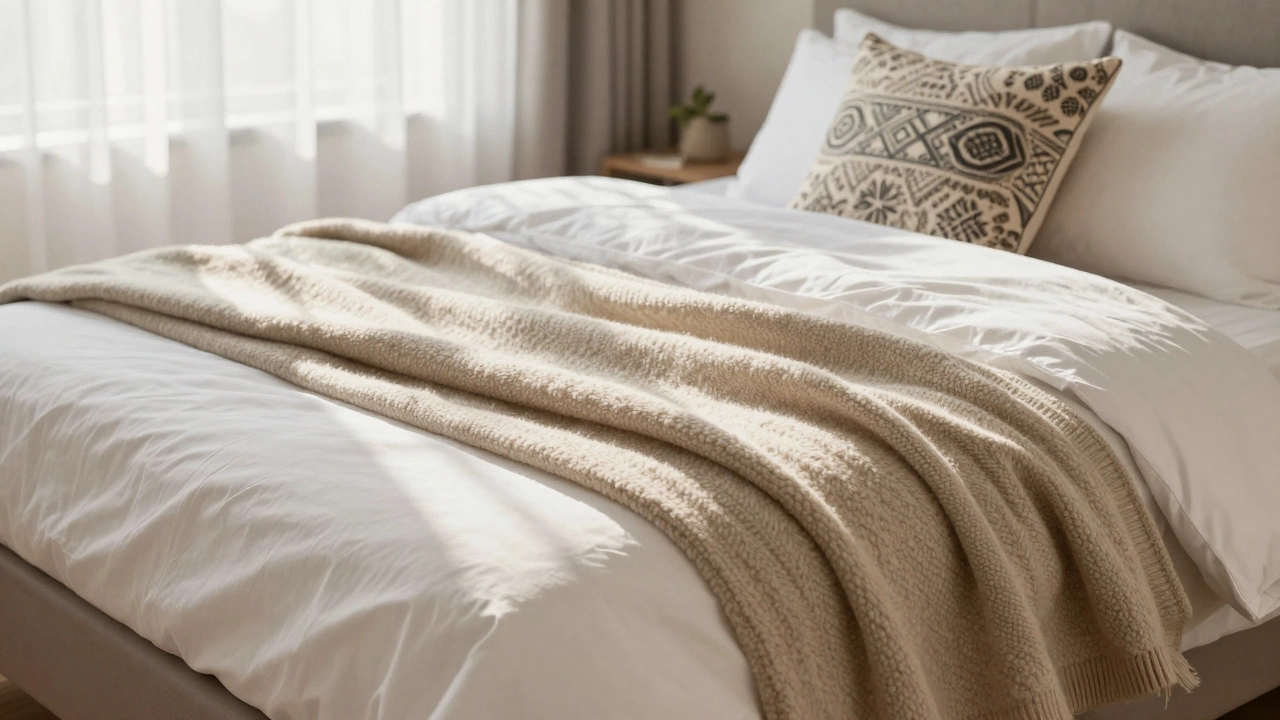
Since blankets sit squarely in the middle layer, providing essential thermal regulation, they are undeniably part of the bedding family. If you were to strip a bed bare, removing only the sheets would leave you cold. Removing the blanket leaves you uncomfortable. Both are necessary components of the whole.
Blankets vs. Comforters: What’s the Difference?
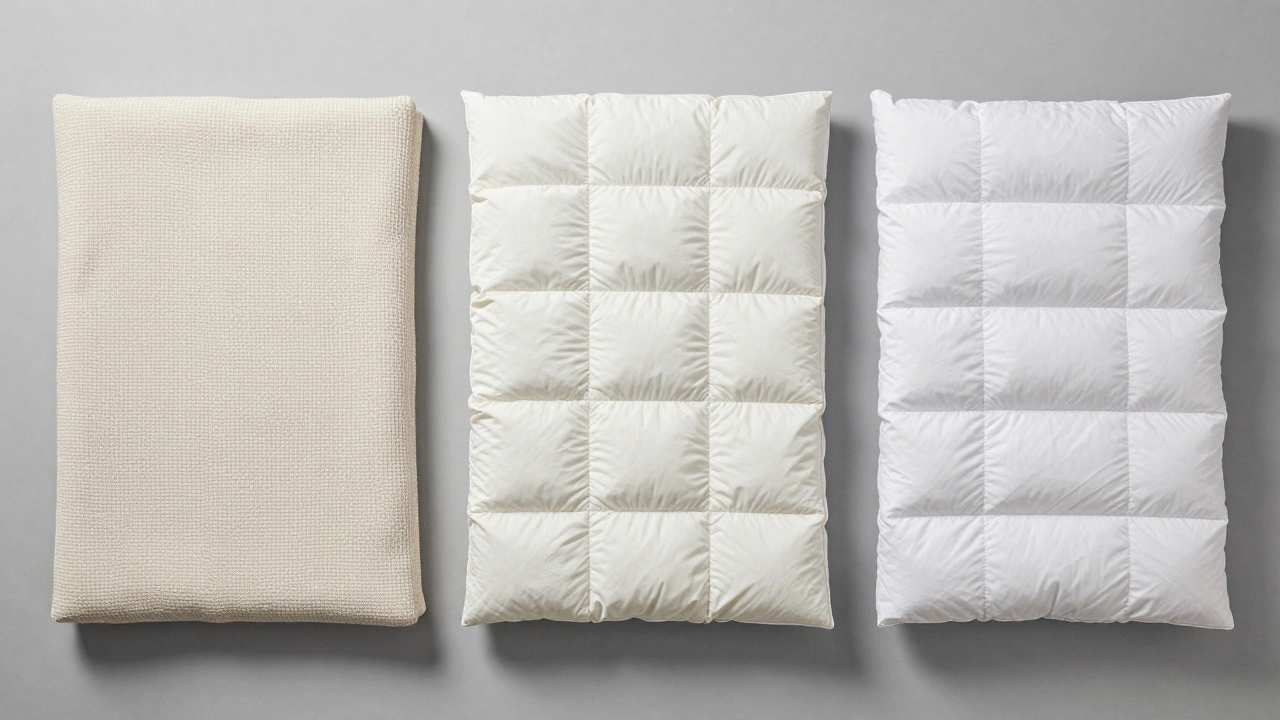
People often use the words "blanket" and "comforter" interchangeably, but they are structurally different. Knowing the difference matters because it changes how you clean and store them.
| Feature | Blanket | Comforter | Duvet |
|---|---|---|---|
| Construction | Single layer of woven fabric (wool, cotton, fleece) | Three layers: two outer fabrics with filling stitched in between | Soft bag-like casing filled with down or synthetic fiber |
| Weight | Light to medium; drapes easily | Heavy; stays put due to weight | Varies by fill power; usually lighter than comforters |
| Cleaning | Often machine washable (check label) | Machine washable (large capacity needed) or dry clean | Duvet insert: dry clean or large machine; Cover: machine wash |
| Warmth Source | Material density and weave | Trapped air within stitching channels | Fill loft (down or synthetic) |
A Wool blanket, for example, relies on the natural crimp of wool fibers to trap heat. It’s dense and breathable. A comforter, on the other hand, uses batting or synthetic fill sewn into a grid pattern to prevent shifting. Because their structures differ, you can’t always toss them together in the washer. A heavy quilted comforter might overwhelm a standard washing machine, whereas a lightweight acrylic blanket will spin right through.
Why Hotels Classify Blankets Differently
If you’ve ever worked in hospitality or noticed how hotels handle laundry, you might wonder why they seem to treat blankets differently. In commercial settings, bedding is categorized by turnover rate and cleaning protocol. Sheets and pillowcases are "high-turnover" items-they get washed after every single guest stay. Blankets, however, are often considered "low-turnover" or "semi-permanent" bedding.
Hotels don’t necessarily wash blankets after every guest unless there’s a visible stain or odor. Instead, they rely on a mattress protector and a top sheet to act as a barrier between the guest and the blanket. This is why many hotels offer a top sheet option-it’s not just for tradition; it’s a hygiene strategy. For homeowners, this distinction is less critical. Most people prefer to wash their blankets regularly for personal comfort and allergen control, regardless of whether they have guests.
How to Wash Blankets Without Ruining Them
Just because blankets are bedding doesn’t mean they follow the same laundry rules as cotton sheets. Mixing them incorrectly is the fastest way to ruin both. Here’s how to handle them based on material:
- Check the Label First: This sounds obvious, but many people ignore it. Wool, silk, and certain synthetics require specific care. If it says "Dry Clean Only," respect that. Home washing machines can felt wool or melt delicate synthetics.
- Separate by Weight: Never wash a heavy wool blanket with lightweight cotton sheets. The heavy blanket will drag the sheets around, causing excessive friction and wear. Plus, the heavy load may not rinse properly, leaving detergent residue on your sheets.
- Use Gentle Detergents: Standard detergents often contain enzymes and brighteners that can break down natural fibers like wool or cashmere over time. Use a mild, pH-neutral detergent designed for delicates or woolens.
- Air Dry When Possible: High heat is the enemy of most blankets. Tumble drying on low might be okay for cotton flannel, but wool and synthetic fills can lose their shape or clump up. Hanging a blanket to air dry preserves its texture and extends its life.
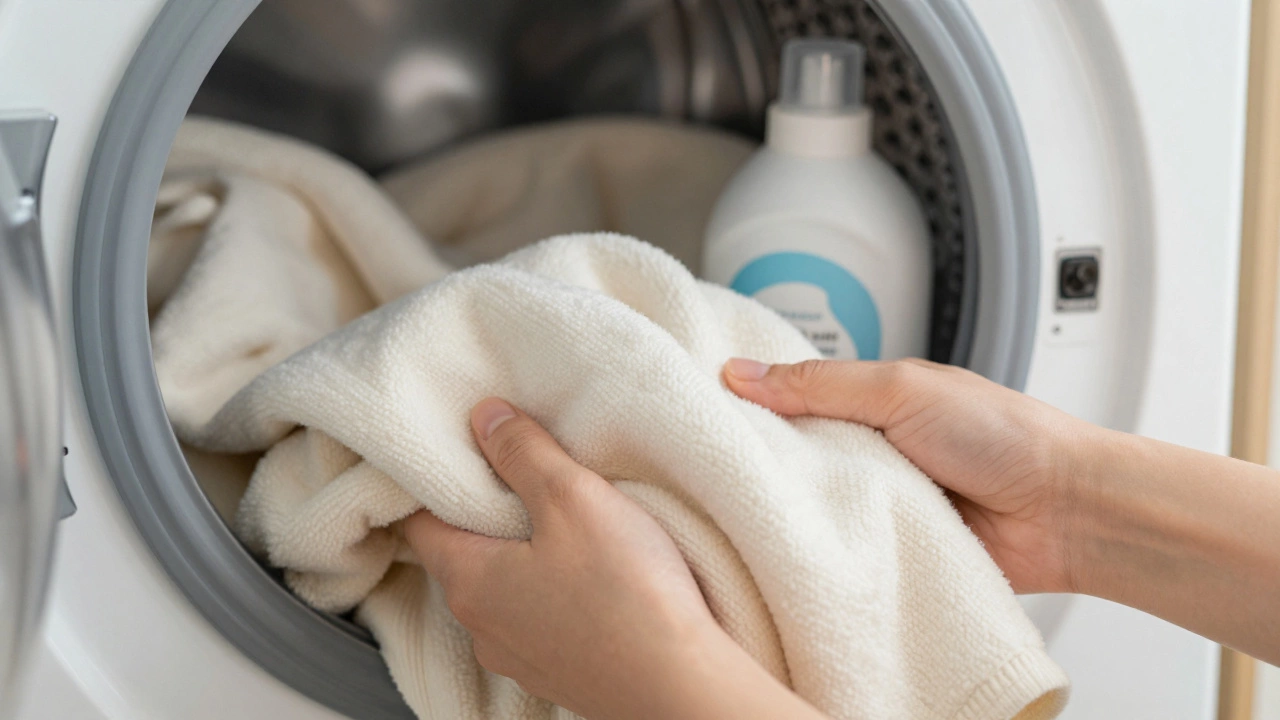
If you’re washing a fleece blanket, you can likely toss it in with towels since both are durable synthetics. But if you’re dealing with a vintage quilt or a high-end wool throw, give it its own cycle.
Storage: Keeping Bedding Fresh Off-Season
Bedding isn’t just used during sleep hours; it also needs proper storage when not in use. Many people make the mistake of stuffing blankets into plastic bags under the bed. Plastic traps moisture, which leads to mold, mildew, and that musty smell you hate. Instead, store blankets in breathable cotton bags or vacuum-sealed bags specifically designed for long-term storage (if space is tight).
Keep stored bedding in a cool, dry place. Avoid attics where temperatures fluctuate wildly, as heat can degrade fibers. Rotate your seasonal bedding every few months to ensure air circulation. If you live in a humid climate like Wellington, New Zealand, consider adding silica gel packets to storage containers to absorb excess moisture.
Common Mistakes People Make with Bedding
Even experienced homeowners slip up when managing their bedding inventory. Here are a few pitfalls to avoid:
- Overloading the Washer: Trying to fit a king-size comforter and a set of sheets into a small front-loader results in poorly cleaned items. The water can’t circulate, and dirt remains trapped in the fibers.
- Mixing Fabrics: Zippers from duvet covers can snag delicate blanket edges. Always zip up closures before washing, or use a mesh laundry bag for smaller items.
- Ignoring Allergens: Dust mites thrive in bedding. Washing blankets in hot water (if the fabric allows) once a month helps reduce allergen buildup, even if they don’t look dirty.
- Using Fabric Softener: Fabric softener coats fibers, reducing their ability to breathe and wick moisture. This is especially bad for towels and performance blankets designed to regulate temperature.
When Does a Throw Stop Being Bedding?
This is a gray area. A "throw" is technically a small blanket, but its purpose often shifts from functional bedding to decorative home decor. If you keep a throw on your sofa, it’s no longer bedding-it’s upholstery accessory. The care instructions change accordingly. Sofa throws collect pet hair, food crumbs, and outdoor dust, requiring more frequent washing than a bed blanket that only sees nightly use.
However, if that same throw lives at the foot of your bed, it reverts to being bedding. Context defines the category. When in doubt, treat it like bedding: wash it regularly, store it properly, and rotate it to maintain freshness.
Can I wash my blanket with my sheets?
It depends on the material and weight. Lightweight cotton or fleece blankets can usually be washed with sheets on a gentle cycle. However, heavy wool blankets, quilts, or comforters should be washed separately to prevent damage to the sheets and ensure thorough cleaning. Always check the care labels first.
How often should I wash my blankets?
For most households, washing blankets every 1 to 3 months is sufficient. If you have allergies, pets, or tend to sweat heavily at night, aim for monthly washing. Hotel-style usage with a top sheet may allow for less frequent washing, but regular airing out is still recommended.
Is a duvet considered bedding?
Yes, a duvet is a type of bedding. Specifically, it falls into the middle layer category along with blankets and comforters. The duvet insert provides warmth, while the duvet cover acts like a removable sheet for easy cleaning. Both components are integral parts of the bedding ensemble.
Why do hotels not wash blankets after every guest?
Hotels classify blankets as low-turnover items to manage laundry costs and efficiency. They rely on mattress protectors and top sheets as barriers against direct contact. Unless stained or soiled, blankets are inspected and aired out rather than washed after each stay. Homeowners can adopt similar practices if they use protective layers.
Can I put my wool blanket in the dryer?
Generally, no. Wool is sensitive to heat and agitation, which can cause felting (shrinking and hardening). Air drying flat is the safest method. If the care label explicitly permits tumble drying, use the lowest heat setting and remove the blanket while slightly damp to finish air drying.