Cowboy Slang for Money: Old West Terms Explained
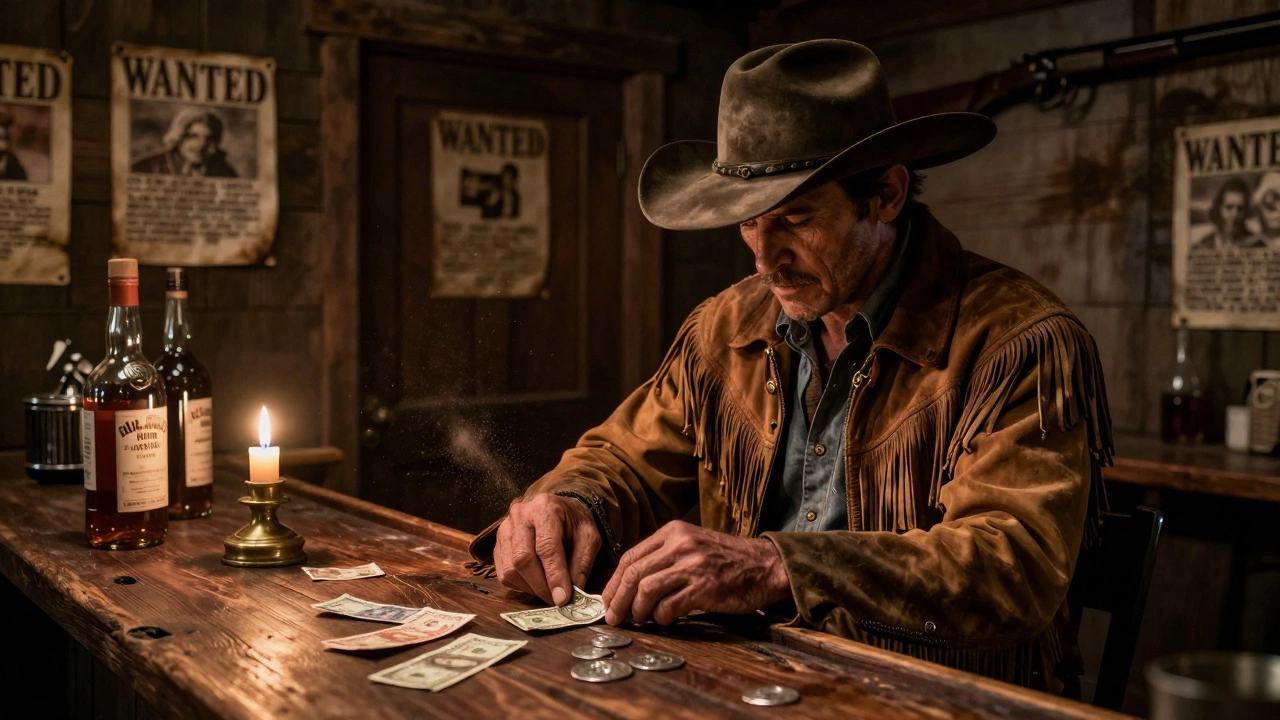
You walk into a Western movie scene. A cowboy leans against the bar, slaps down some shiny discs, and orders a drink. He doesn't say "Here is five dollars." He calls it Five bits, or sometimes five silver pieces used for transaction. It feels authentic, right? Those little phrases paint a picture of life on the frontier. But beyond the movies, there was actual slang circulating among the men who herded cattle and settled territories.
If you want to understand the real world of the American West, knowing their lingo helps. It’s not just about words; it’s about the economy of the era. When we talk about money back then, we aren’t talking about plastic cards or digital transfers. We are talking about heavy metal, dust-covered coins, and bags hidden in wooden boxes. Some of you might be interested in how they stored this wealth. Many ranchers used wooden crates or built-in shelving units inside their bunkhouses to stash gold dust before heading to the bank.
The Basics of Currency on the Frontier
Before we get into the nicknames, you need to know what they were carrying. The standard wasn't always paper. In many remote areas, US dollars were scarce. Instead, people relied on gold and silver. Sometimes, foreign coins like Spanish pesos were common. Because of this mix, they needed quick ways to describe value.
Silver Dollars were often the backbone of trade. You'd hear someone ask for "two bits." That was a quarter. "A bit" referred to eight reales, an old coin division from Spanish colonies. Even though the dollar had been established, old habits stuck around. Cowboys dealing in horses or land didn't need cents; they dealt in bigger chunks of value.
Popular Slang Terms for Cash
Now, let's talk about the words themselves. These aren't just guesses made up by writers today. These come from letters and diaries found from that time period.
- Fried Eggs: This term usually meant $50 or sometimes $100 bills. The shape of a large bill looked like a fried egg to some.
- Mashy Mush: This was used for counterfeit money or worthless notes. If someone tried to pay you in mashed-up paper, you knew to run.
- Cooler: While we think of coolers for drinks, in some regions, a cooler was a box used to hide your valuables, including money. Keeping your stack in the cooler meant hiding them from prying eyes.
- Bulls: Short for bullion. If a man carried his own weight in gold bars, he was carrying bulls.
- Clams: Referring to the heavy clam shells or oysters that sometimes served as trade tokens before currency became standardized.
Why did they invent these names? Mostly safety. If you walked into a saloon and loudly announced you had $1,000 in Gold Bars, every outlaw in town would turn their ears toward you. Using code helped protect assets.
Where Was the Money Kept?
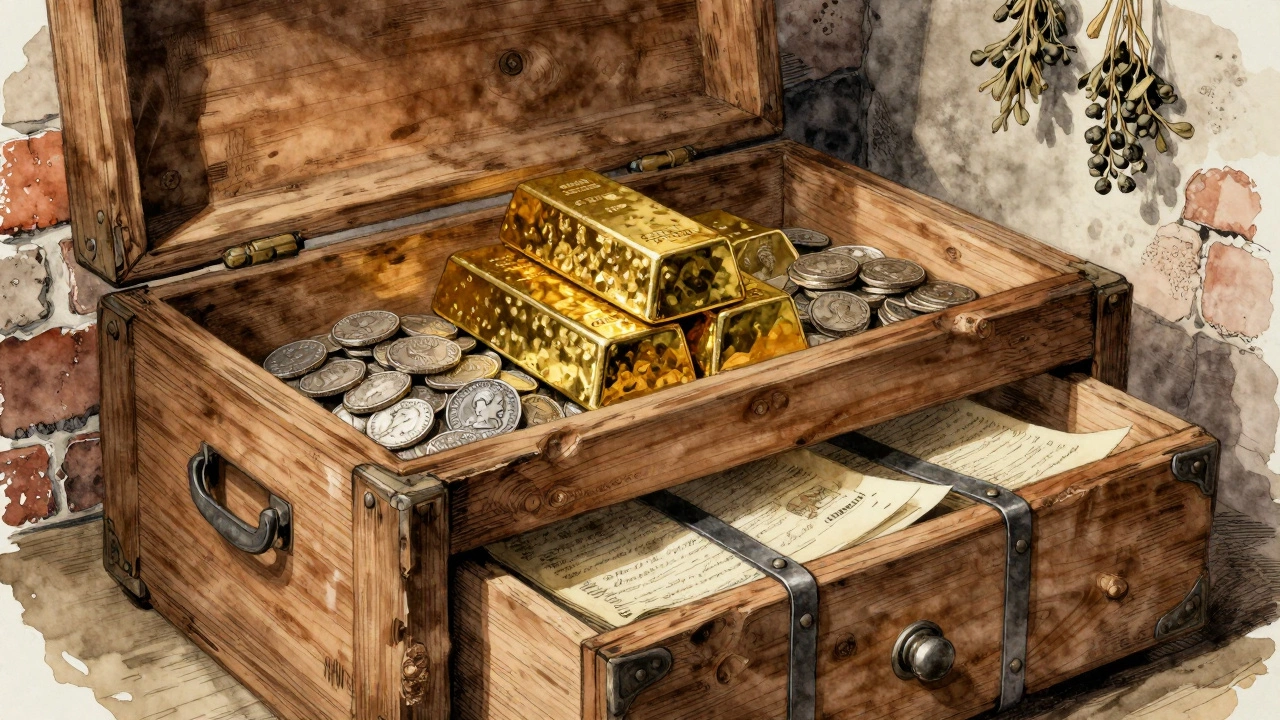
This brings us to the physical reality of wealth in the 1800s. You couldn't just throw a bag of gold on a table. You needed protection. Most homesteads and saloons had specific storage spots. Wooden shelves lined the walls of offices. Behind the counter in trading posts, there were deep drawers. These were primitive versions of modern safes.
When a cowboy retired to a farm, they'd dig a hole or build a strongbox. The strongbox was essentially a heavy wooden chest. It wasn't locked with high-tech keys, but iron bands held it tight. Some families even hid money behind loose floorboards or inside false-bottomed shelving units. This practice of secret storage led to slang terms like "under the bed" being used metaphorically for savings accounts.
Difference Between Regional Dialects
Not every region spoke the same way. Texas had its own vocabulary compared to Montana. If you were down near New Mexico, where the Mexican influence was stronger, you might hear terms like peso mixed with English slang. Out in California, after the Gold Rush, miners had specific jargon for dust. They measured gold by weight rather than count. This shift changed how they talked about value.
A miner might say, "I got a good pan of gold," instead of giving a dollar amount. This vagueness was a survival tactic. By the late 1800s, as railways connected the country, these slang terms slowly faded. The banking system took over, replacing the rough-and-tumble language of the trail with formal banking terms.
Modern Echoes of the Past
You still hear bits of this in modern idioms. When someone says "burning through cash," it links back to the fire risks of burning wood. Or when we talk about a "heavy wallet," it relates to the literal weight of metal coins. Understanding these roots adds flavor to our current speech.
If you collect antiques, especially those from this era, knowing these terms helps you date items. A diary mentioning "coolers" or "mashy mush" tells you exactly who owned it and when. For collectors organizing these documents, shelving them correctly by date and region preserves the history.
What did cowboys call $50?
They often called it "fifty beans" or "fried eggs" depending on the region. It varied widely by state.
How did they store money safely?
Most used heavy strongboxes, buried chests, or hidden compartments in wooden furniture. Some utilized false bottoms in shelving units.
Was all money metal in the Old West?
Paper money existed but was rarely trusted due to inflation and forgery. Gold and silver coins were the preferred standard.
Does anyone use cowboy slang today?
Very few do. Most terms are obsolete, but phrases like "on the wagon" (not spending money) persist in older generations.
Are these terms found in books?
Yes, historical archives and dime novels from the 1880s often list these specific colloquialisms for research purposes.