Cheaper Alternatives to Wooden Pallets for Shipping and Storage
The Hidden Cost of That Wooden Board
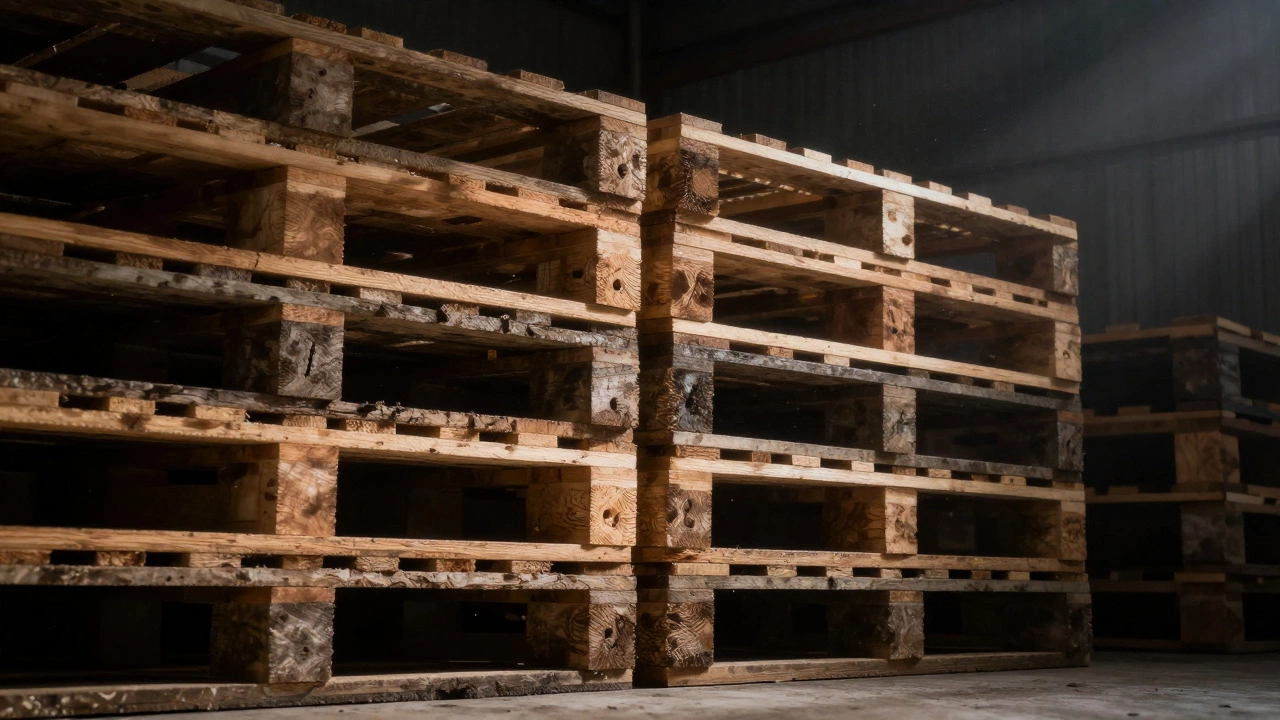
You probably never thought much about the stack of timber sitting underneath your products until the invoice hit your inbox. In the logistics world, Wooden Pallets is the standard platform used for moving, handling, storing, and stacking products. They seem like a fixed cost of doing business, something you just pay for like electricity or rent. But here is the hard truth: those wooden boards are quietly inflating your freight bill in three specific ways.
First, there is the raw weight. You are paying to ship wood, not just your product. A standard wooden pallet weighs around 25 kilograms. When shipping by air or even across the Tasman Sea where fuel surcharges apply, that dead weight adds up fast. Second, there is the volume. Pallets occupy floor space in shipping containers that could otherwise hold your actual inventory. Third, and often overlooked, is the rental fee. If you are using exchange pallets from major providers, losing track of them leads to daily rental charges that spiral out of control.
If you are feeling the pinch of rising ocean freight rates, stopping the flow of pallets might feel like heresy. However, switching to a pallet alternative strategy isn't just about saving money on timber; it is about optimizing your entire loading process. Let's look at what actually replaces them and whether your operation can handle the shift.
Slip Sheets: The Industrial Standard Swap
Slip Sheets are thin, cardboard-based platforms that slide under a load to replace the pallet structure. Think of them as a paper version of the pallet base. They are significantly lighter, often weighing just 2 to 3 kilograms per sheet compared to the 25 kilograms of wood. This alone saves massive amounts of weight on full container loads (FCL).
However, the trade-off isn't free. You cannot simply lift a slip sheet with standard forks. You need a push-pull attachment on your forklift. If your warehouse fleet is aging, the capital expenditure to retrofit trucks becomes a barrier. For operations handling uniform boxes-like beverage companies or food processors-this is the most reliable swap.
- Weight Savings: Approximately 22 kg per unit load.
- Volume Efficiency: Allows for tighter stacking inside the container.
- Requirement: Mandatory push-pull fork attachment.
- Best For: Uniform carton sizes, high-density loads.
In my experience dealing with local distributors here in Wellington, many small manufacturers hesitate because they assume every truck needs specialized gear. That is a myth. While you need the push-pull for loading and unloading, the transport itself works fine on standard trailers. Many long-haul drivers already carry these attachments because they handle intermodal freight regularly.
Air Dunnage Bags: Filling the Void Without the Wood
Sometimes, the problem isn't the base of the load, but the gaps between boxes. Air dunnage bags are inflatable plastic pillows inserted into empty spaces within a container or truck trailer. Unlike solid packing peanuts or crumpled cardboard, these bags lock the freight down so cargo doesn't shift during transit.
This method is often misunderstood. It does not replace the pallet entirely, but it eliminates the need for palletizing individual cases to prevent movement. Instead of building four layers of boxes onto a wooden board, you strap the loose cases directly to the truck wall and fill the gaps with inflated plastic bags.
| Method | Weight per Unit | Handling Speed | Container Utilization |
|---|---|---|---|
| Standard Pallet | ~25 kg | Fast | Moderate |
| Slip Sheet | ~3 kg | Medium (Requires Attachment) | High |
| Bulk/Dunnage | ~0.5 kg | Slow (Manual Loading) | Very High |
The table above highlights the volume gain. By removing the rigid base, you can optimize the shape of the load. This is crucial for international shipping where volumetric weight pricing often penalizes bulky but light shipments. If you export high-volume, low-weight goods like textiles or packaging materials, bulk loading with dunnage bags is the mathematically superior choice.
Returnable Transport Items (RTIs): The Long-Term Game
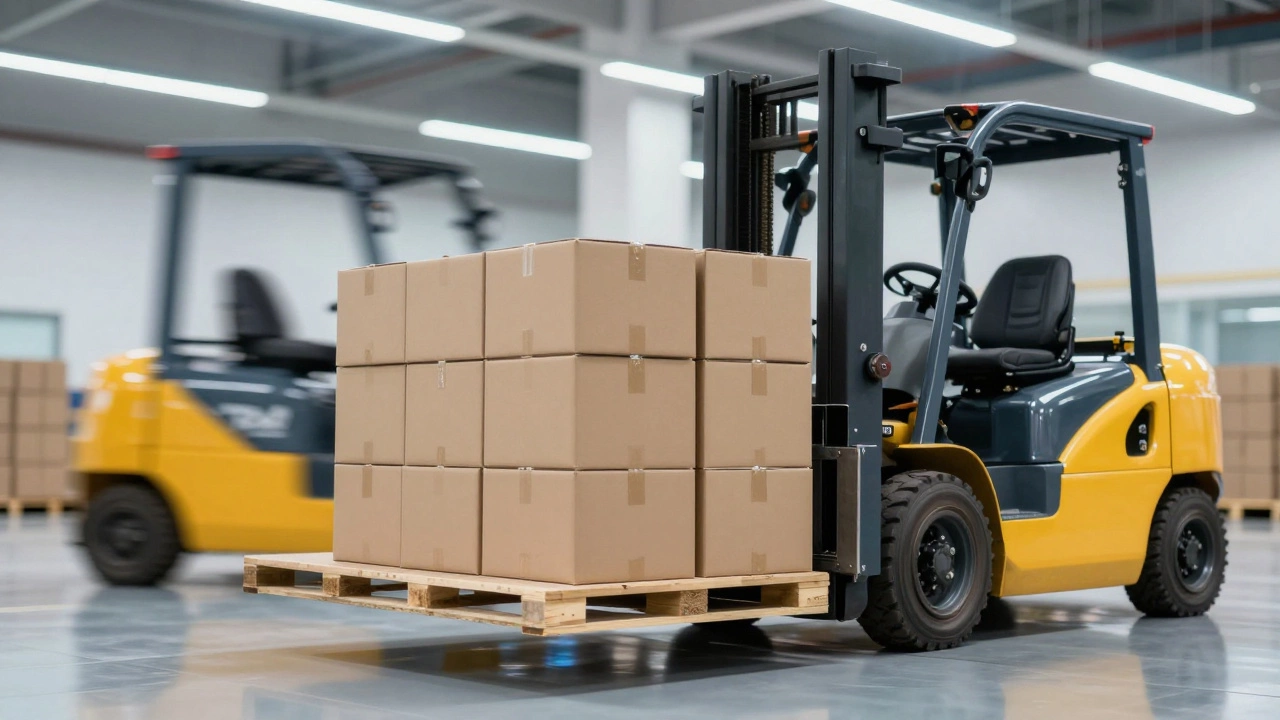
Returnable Transport Items are durable plastic crates or containers designed to be reused over hundreds of trips. Unlike one-way corrugated boxes or throwaway wood pallets, RTIs circulate in a closed loop. You send them out filled, the customer empties them, and they come back to you for refilling.
This sounds like a logistical nightmare to manage, and honestly, it is a coordination challenge. However, for regional routes where you have strong relationships with retailers, the economics flip in your favor after the first year. Plastic crates don't rot, splinter, or attract pests. They pass through airport security inspections much faster than wood, avoiding fumigation delays common with ISPM-15 regulations.
If you run a supply chain within the greater New Zealand area, RTIs shine. You aren't paying to ship waste back across borders. The durability means lower replacement costs over five years compared to buying wood every six months. The catch? You need a tracking system. Losing a single $150 crate to a lost shipment hurts your margin more than leaving a $30 pallet on a dock.
Rigid Boxes and Crateless Shipping
Some industries have moved toward high-strength fiberboard boxes that eliminate the need for any external support. These are essentially super-strong cartons reinforced with corners. If your product is durable enough, such as canned goods, bottled liquids, or electronics accessories, you can skip the pallet entirely.
This is known as "crateless shipping." It requires your outer packaging to withstand significant compression strength. Usually, we measure this in kPa (kilopascals). Most standard brown boxes fail under their own weight if stacked four high. Specialized double-wall corrugated boxes rated for heavy loads change the equation.
You need to validate this with a compression test before committing. It is worth the investment to send samples to a testing lab rather than guessing. One damaged container load due to crushed bottom rows will erase any savings you made on pallet rentals.
The Forklift Factor: Don't Overlook Operational Reality
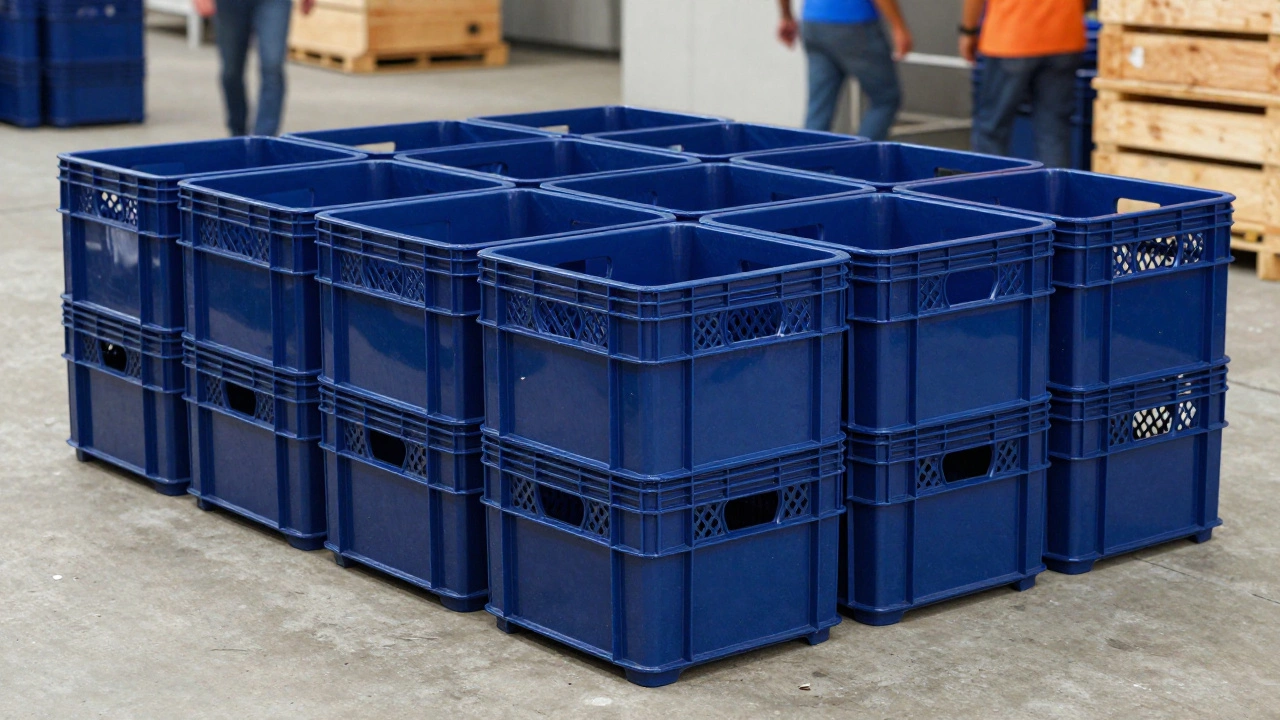
Every time we talk about changing how things move, we ignore the machine doing the moving. Your warehouse relies on reach trucks and counterbalance forklifts. These machines are tuned for stability with pallets. When you switch to slip sheets or bulk loading, you change the center of gravity of the load.
Operators need training. Lifting a slip sheet requires different insertion techniques. Push-pull attachments extend further, reducing visibility. Safety incidents increase when staff try to improvise. Before you authorize a budget for alternatives, audit your staff's capability. If your team isn't comfortable, the efficiency gains vanish into accidents and downtime.
Also, check the truck specs. Some smaller vans or delivery vehicles struggle with slip sheets because the height difference makes sliding the pallet off tricky at the destination. Always confirm that your last-mile delivery partners can accept non-palletized loads.
Calculating the Real ROI
To decide if the switch is worth it, you must look beyond the purchase price of the wood. Here is a simple formula to evaluate the change:
Total Pallet Cost = (Purchase Price + Rental Fees + Fuel Surcharge on Weight + Disposal Fees) - Salvage Value
Compare this against the alternative cost model. If you switch to slip sheets, your new cost includes the cost of the card, the fuel for the heavier attachment lift, and potential increased labor time per shift.
Generally, if you ship more than 50 pallets a month, the math starts favoring alternatives. Below that threshold, the administrative overhead of managing a mixed fleet of pallets and slips often outweighs the savings. Stick to what is efficient.
Risk Assessment and Cargo Integrity
Finally, consider the product. Pallets offer a degree of protection. They lift the product off the wet dock floor. They provide a hard surface for strapping. With bulk packing, moisture damage becomes a risk factor. Damp floors in a container can seep up through cardboard slip sheets.
Always include a desiccant packet or a moisture barrier film when switching away from wood. Wood absorbs some moisture; plastic and cardboard do not protect the same way. For sensitive electronics, the vibration dampening of a wooden frame is superior to rigid box stacking. Test your goods in the new configuration before rolling it out to all orders.
By carefully analyzing your specific supply chain metrics, you can identify the right moment to step away from the dependency on traditional pallets. Whether through slip sheets, dunnage, or rigid containers, the goal remains the same: getting your product delivered safely with the highest possible margin.
Are slip sheets compatible with all forklifts?
No, slip sheets require a push-pull attachment on the forklift forks. Standard forks cannot grasp the thin material without damaging it or slipping.
Do slip sheets reduce shipping weight significantly?
Yes, slip sheets weigh approximately 3kg compared to 25kg for standard wooden pallets, offering a 22kg reduction per unit load.
What is the biggest risk when removing pallets?
Cargo shifting is the primary risk. Without the friction and height of a pallet, loads need proper dunnage or tight strapping to stay secure during transit.
When do RTIs become cost-effective?
Returnable Transport Items usually pay for themselves within 12 to 18 months depending on the frequency of round-trips and the initial purchase price of the plastic crates.
Can I ship without pallets via courier services?
Many couriers accept boxed loads on their own, but freight forwarders typically require unitization. Always check carrier specifications for dimensional weight limits.