Can You Start an eCommerce Business With No Money? A Realistic Guide

Zero-Budget eCommerce Profit Calculator
Select a business model to see default cost structures:
Dropshipping
$0-$50 Upfront Slow Shipping (7-14d)Print on Demand
$0-$100 Upfront Medium Shipping (3-7d)Local Fulfillment
$200+ Upfront Fast Shipping (1-3d)$0.00
Most people think launching an online store requires a massive upfront investment. You need inventory, a warehouse, and expensive software. But what if you could start with just a laptop and a credit card? The short answer is yes, but it comes with specific trade-offs. Starting an eCommerce business with no money means leveraging third-party services to handle the heavy lifting of storage and shipping. You are not avoiding costs; you are shifting them from fixed expenses to variable costs.
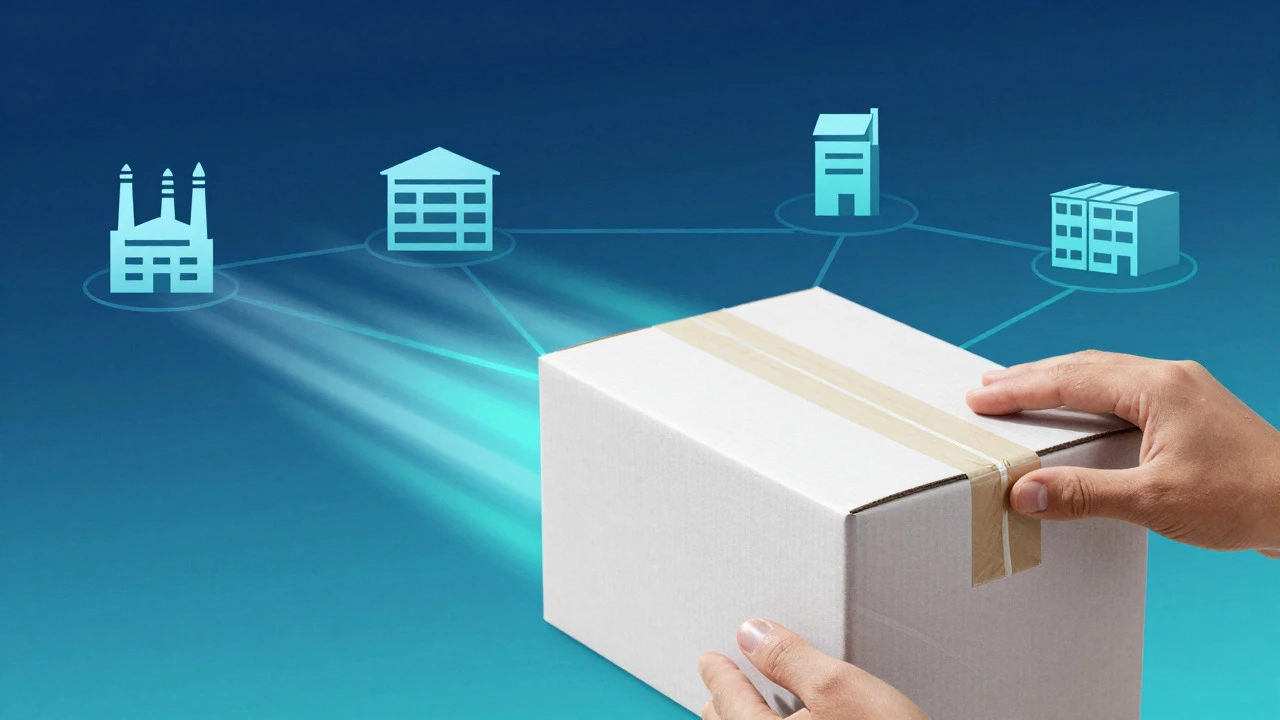
The core challenge here isn't finding products; it's managing the flow without capital. Traditional retail requires you to buy stock before you sell it. In a zero-budget model, you sell first, then buy. This flips the risk equation entirely. However, this model relies heavily on efficient e-commerce logistics, specifically how quickly and cheaply goods move from supplier to customer.
Why "No Money" Actually Means "Low Cash Flow Risk"
When we say starting with no money, we don't mean literally zero dollars. You still need domain fees and platform subscriptions. The real goal is eliminating inventory risk. If you spend $5,000 on t-shirts and they don't sell, that money is gone. In a lean model, you only pay for a shirt when a customer buys it. This protects your cash flow during the critical first six months.
This approach works best for businesses where product testing is more important than immediate profit margins. You can test ten different designs or products for less than the cost of one bulk order. The downside? Your profit per unit is lower because you are paying for convenience. You are essentially renting out your supply chain.
The Three Viable Zero-Budget Models
Not all business models fit a tight budget. Here are the three most realistic paths for someone starting from scratch in 2026:
- Dropshipping: You list products from suppliers (often overseas). When a sale happens, the supplier ships directly to the customer. You never touch the product. It’s the fastest way to start but offers the least control over quality and shipping times.
- Print on Demand (POD): Similar to dropshipping but focused on customizable items like t-shirts, mugs, and posters. You upload a design, and a partner prints and ships it. Great for creative entrepreneurs who want a unique brand identity without holding stock.
- Local Fulfillment Partnerships: You find local makers or wholesalers who agree to hold your small batch of goods and ship them when orders come in. This is harder to set up but offers faster delivery times and better customer service potential.
Each model has different implications for your logistics software needs. Dropshipping often requires integrations with global suppliers, while local partnerships might rely on simple spreadsheets and manual coordination initially.
The Hidden Cost: Shipping Speed and Customer Expectations
Here is the part most beginners miss: customers expect fast delivery. If you use a standard dropshipper in Asia, delivery might take 10-14 days. In 2026, many consumers expect next-day or two-day delivery. This gap between expectation and reality is where zero-budget stores fail.
To mitigate this, you have two options. First, be transparent. Clearly state shipping times on your product pages. Second, look for domestic suppliers. A US-based dropshipper will charge more per unit but deliver in 3-5 days. This improves your Net Promoter Score (NPS) and reduces refund rates. The math often works out: losing a customer to slow shipping costs more than the extra $2 per unit for faster freight.
| Model | Upfront Cost | Shipping Speed | Control Over Branding | Best For |
|---|---|---|---|---|
| International Dropshipping | Very Low ($0-$50) | Slow (7-14 days) | Low | Testing broad product ideas |
| Print on Demand | Low ($0-$100) | Medium (3-7 days) | High | Creative brands and niche communities |
| Local Wholesale Partnership | Moderate ($200+) | Fast (1-3 days) | Medium | Established niches with loyal followings |
Building Your Digital Storefront Without Breaking the Bank
You don't need a custom-built website. Platforms like Shopify, WooCommerce, or BigCommerce offer free trials or low monthly fees. The key is to keep your tech stack minimal. Avoid buying premium themes or expensive apps until you have proven sales.
Focus on these essential components:
- A reliable e-commerce platform subscription.
- A basic payment gateway (usually integrated into the platform).
- Email marketing tools (start with free tiers).
- Basic analytics to track conversion rates.
Many founders overspend on branding agencies before making their first sale. Instead, invest time in content creation. High-quality photos and honest product descriptions convert better than flashy graphics. Use free tools like Canva for social media assets and native phone cameras for product shots.
Navigating Logistics Without a Warehouse
In a traditional setup, you manage packing slips, label printing, and carrier pickup schedules yourself. In a zero-budget model, the supplier handles this. But you still need visibility. If a package gets stuck, the customer blames you, not the supplier.
This is where supply chain management skills become crucial, even at a micro-scale. You need to know which carriers your suppliers use. Do they use USPS, FedEx, or a local courier? Are there common delay points? Track every order manually in a spreadsheet if necessary. Knowing your supplier's average processing time allows you to set accurate delivery estimates.
If you scale slightly and want to improve speed, consider using a 3PL (Third-Party Logistics) provider. Some offer consignment arrangements where you pay only when goods are shipped. This bridges the gap between pure dropshipping and owning inventory.
Marketing on a Shoestring Budget
Paid ads are tempting but risky when you have no buffer. One bad campaign can wipe out your remaining funds. Instead, focus on organic channels:
- Short-form video: TikTok and Instagram Reels are free distribution channels. Show the product in action, unbox it, or explain why it solves a problem.
- Community engagement: Join Facebook groups or Reddit threads related to your niche. Provide value, don't just spam links.
- Micro-influencers: Offer free products in exchange for posts. This costs you product cost (which is covered by the sale) but builds social proof.
The goal is to drive traffic to your site without relying on paid clicks. Organic traffic has a higher lifetime value because it builds trust over time.
Common Pitfalls That Kill Zero-Budget Stores
Even with low overhead, you can go broke. Here are the biggest mistakes:
- Ignoring return policies: Slow shipping leads to returns. Returns lead to lost revenue. Have a clear, fair return policy ready.
- Chasing trends too hard: Trendy items sell fast but die fast. Focus on evergreen problems or passionate niches.
- Underpricing: Factor in transaction fees, payment processor fees, and potential refunds. If you price too low, you make no profit after fees.
- Lack of customer communication: Send proactive updates about order status. Silence creates anxiety, which creates complaints.
Success in this model isn't about having the best product; it's about managing expectations and maintaining consistent operations despite limited resources.
Frequently Asked Questions
Is dropshipping still profitable in 2026?
Yes, but margins are tighter. Competition has increased, so success depends on strong branding and excellent customer service rather than just listing cheap products. Differentiation through niche selection is key.
How much does it cost to start a print-on-demand store?
You can start with as little as $20-$50 for a domain name and initial platform trial. Most POD platforms operate on a commission basis, meaning you only pay for the product and shipping when a sale occurs.
What is the biggest risk of starting with no inventory?
The biggest risk is loss of control over quality and shipping times. If your supplier sends a defective item or delays shipment, the customer holds you responsible. Mitigate this by vetting suppliers thoroughly and communicating clearly.
Do I need a physical office or warehouse?
No. You can run the entire operation from a home desk. All you need is a computer, internet connection, and access to digital tools for order management and communication.
How do I handle taxes if I don't own the inventory?
You are still liable for sales tax based on where your customers are located. Use automated tax calculation tools within your e-commerce platform to ensure compliance. Consult a local accountant for specific jurisdiction requirements.