Can You Make 6 Figures in Logistics?
Logistics Business Profit Calculator
Business Model Selection
Estimated Profitability
Can you really make six figures in logistics? The answer isn’t a simple yes or no-it depends on where you are, what you’re doing, and how smartly you’ve built your operation. Too many people picture logistics as truck drivers hauling pallets or warehouse workers stacking boxes. But the real money isn’t in the back of a semi. It’s in the systems, the networks, and the leverage you build behind the scenes.
Logistics Isn’t Just Trucks and Warehouses
When you think of logistics, you might imagine FedEx drivers or Amazon fulfillment centers. Those are parts of the system, sure-but they’re not where the profits are highest. The real opportunity lies in being the middleman who connects shippers with carriers, optimizes routes, manages inventory across multiple hubs, or builds software that makes everything run smoother. Companies like Convoy, Flexport, and even smaller regional players are making millions by doing one thing well: reducing friction.
In 2025, the global logistics market hit $16.2 trillion. That’s not a typo. And while big players dominate the headlines, thousands of small to mid-sized logistics businesses are pulling in $100,000 to $500,000 a year in net profit. How? They’re not moving 10,000 pallets a day. They’re moving 100 smartly.
How People Actually Hit Six Figures
Let’s break down the real paths people take to hit six figures in logistics-not the hype, but the actual, repeatable models.
- Freight Brokerage: You don’t own trucks. You connect shippers with owner-operators. A good broker with 20-30 reliable carriers can easily clear $150,000-$300,000 annually after expenses. In 2024, the average broker grossed $220,000 in net profit according to the National Motor Freight Traffic Association.
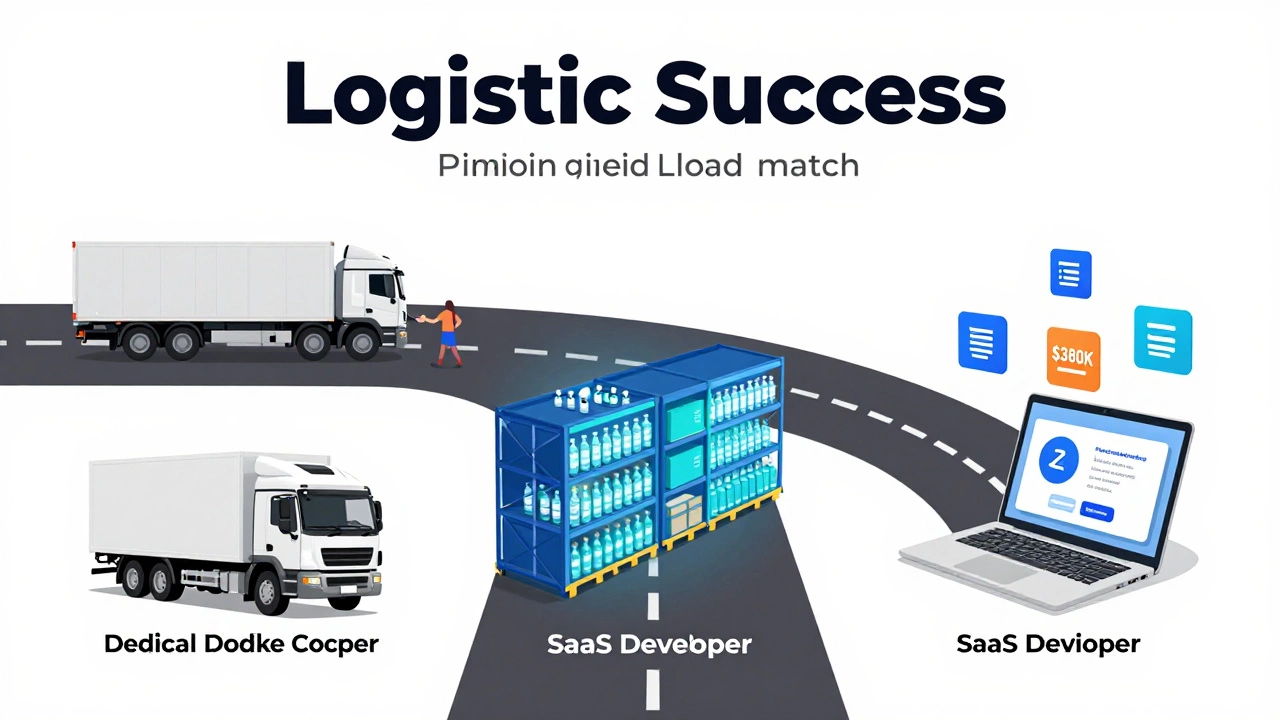
- Specialized Niche Logistics: Think cold chain for pharmaceuticals, hazardous materials transport, or same-day delivery for high-end retailers. These niches have higher margins because they require permits, training, and equipment most carriers don’t have. One New Zealand-based logistics operator I spoke with makes $420,000 a year hauling medical supplies between Auckland and Christchurch-just three lanes, no extra staff.
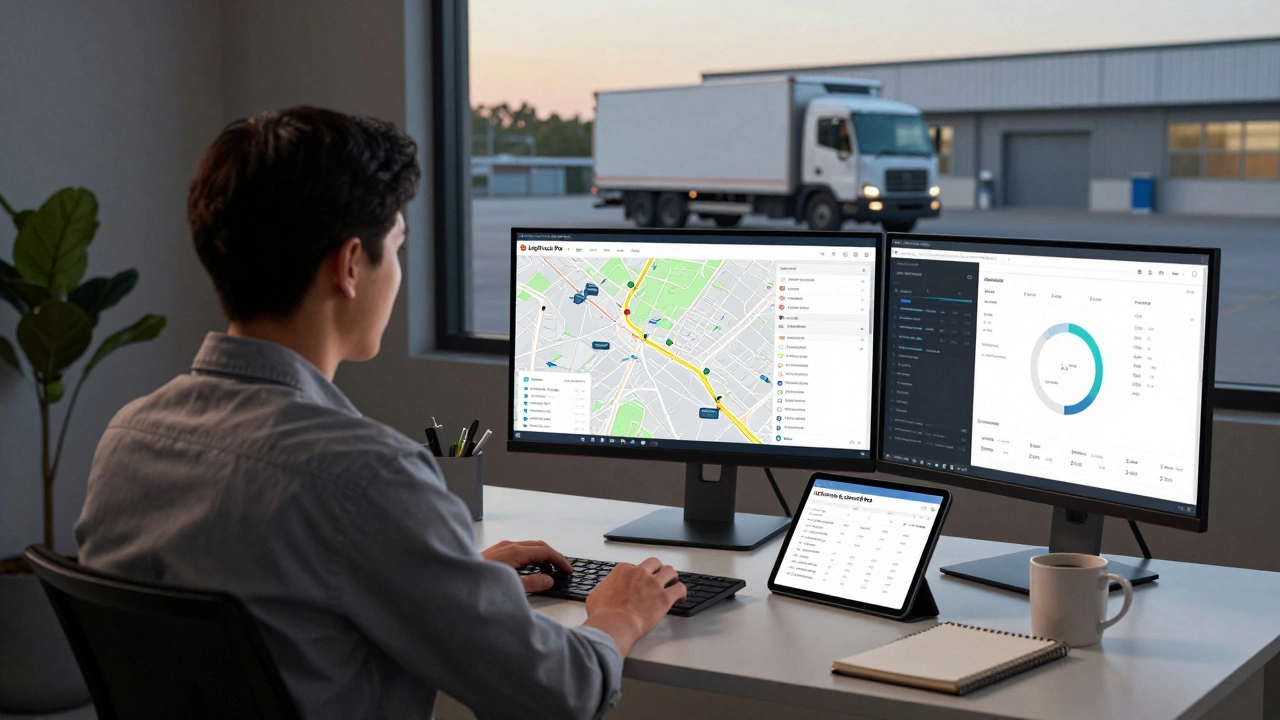
- Logistics Tech Startups: Building a simple SaaS tool that automates load matching, tracking, or invoicing for small carriers can scale fast. One company in Wellington, LogiTrack is a cloud-based platform that connects regional freight brokers with local truckers using real-time load availability. Also known as LogiTrack Pro, it was launched in 2022 and now serves over 800 small carriers across Oceania. Their subscription model brings in $380,000 annually with only four employees.
- Warehouse Leasing + Management: Buy or lease a small warehouse, then sublet space to e-commerce sellers who need last-mile storage. Add value by offering packing, labeling, and shipping services. A 10,000 sq ft warehouse in Auckland can generate $200,000-$400,000 in annual revenue if managed well.
The Hidden Costs That Kill Profits
Here’s the part no one talks about: most people who try logistics fail-not because they can’t find work, but because they don’t understand the hidden costs.
Let’s say you start a brokerage. You think: "I’ll just sign up on a load board and start matching loads." But then you hit reality:
- Carrier payments take 30-60 days. Shippers pay in 15. That’s cash flow death.
- You need $10,000-$25,000 in surety bonds just to get licensed in the U.S. or Australia.
- One late payment from a shipper can wipe out three weeks of profit.
- Insurance costs $8,000-$15,000/year for $1 million in liability.
That’s why the most successful operators use tools like Truckstop is a freight matching platform used by over 400,000 carriers and shippers to find loads and manage bookings. Also known as Truckstop.com, it was founded in 1985 and remains one of the most trusted networks in North America and Australasia or Loadsmart is an AI-powered freight marketplace that automates pricing, booking, and payment tracking for brokers. Also known as Loadsmart Platform, it uses machine learning to match loads with carriers, reducing empty miles by 28% on average. These platforms don’t just find loads-they handle invoicing, payment guarantees, and even credit checks on shippers.
What You Need to Get Started
You don’t need millions. You don’t need a fleet. But you do need three things:
- A focused niche: Don’t try to serve everyone. Pick one industry, one region, or one type of cargo. Cold chain. Furniture delivery. Medical equipment. The narrower, the better.
- A simple tech stack: Use tools like ShipBob is a third-party logistics provider that offers warehousing, packing, and shipping services for e-commerce brands. Also known as ShipBob Fulfillment, it integrates with Shopify, WooCommerce, and Amazon to automate order routing for fulfillment, QuickBooks is accounting software used by small businesses to manage invoicing, expenses, and payroll. Also known as QuickBooks Online, it is widely adopted by logistics startups for financial tracking for finances, and a CRM like HubSpot is a customer relationship management platform that helps businesses manage interactions with clients and automate sales workflows. Also known as HubSpot CRM, it offers free tools for tracking carrier and shipper relationships to keep your contacts organized.
- A reliable carrier network: Find 5-10 truckers or small fleets who show up on time, don’t damage goods, and communicate. One great driver is worth more than ten mediocre ones.
Real Numbers from Real Operators
In 2025, a survey of 1,200 small logistics businesses in North America and Oceania showed:
| Business Type | Average Annual Net Profit | Startup Cost | Time to Profit |
|---|---|---|---|
| Freight Brokerage | $185,000 | $12,000 | 8-14 months |
| Specialized Transport (e.g., medical) | $310,000 | $45,000 | 12-18 months |
| Warehouse Leasing + Fulfillment | $275,000 | $80,000 | 10-16 months |
| Logistics SaaS Tool | $380,000 | $25,000 | 6-12 months |
Notice something? The highest earners aren’t the ones with the most trucks. They’re the ones with the most leverage.

Why Most People Fail
They treat logistics like a job, not a business.
You can’t just "work harder." You need systems. You need contracts. You need to charge for value, not hours. The biggest mistake? Charging per load instead of building recurring revenue. The best operators don’t just move goods-they sell peace of mind. A shipper pays more to know their product will arrive on time, undamaged, and tracked every step of the way. That’s what you’re selling.
One operator in Christchurch told me: "I don’t sell trucking. I sell reliability. And people pay 30% more for that." That’s the mindset shift.
Where to Start Today
If you’re serious about hitting six figures in logistics, here’s your 30-day plan:
- Week 1: Pick one niche. Research demand. Talk to 5 local e-commerce sellers or manufacturers. Ask: "What’s the biggest pain point in getting your stuff shipped?"
- Week 2: Set up your business structure. Register as an LLC or equivalent. Get your freight broker license if required in your country.
- Week 3: Sign up for one freight platform (Truckstop or Loadsmart). Start building your carrier list. Call 10 local truckers. Offer them consistent loads.
- Week 4: Build a simple one-page website. List your services. Use Canva. No need for fancy coding. Then start sending emails to local businesses.
It’s not about being the biggest. It’s about being the most reliable, the most responsive, and the most organized. The market is hungry for operators who actually show up.
What’s Next?
If you’re thinking about scaling beyond six figures, look into automation, multi-regional operations, or building your own logistics tech tool. The next wave of winners won’t be the ones with the most trucks. They’ll be the ones who built the invisible systems that make everything else run.