Best Rug Colors to Hide Dirt and Stains
Dirt-Hiding Rug Color Calculator
Find the rug colors that hide dirt best for your specific home conditions. Answer a few simple questions to get personalized recommendations based on the article's expert guidance.
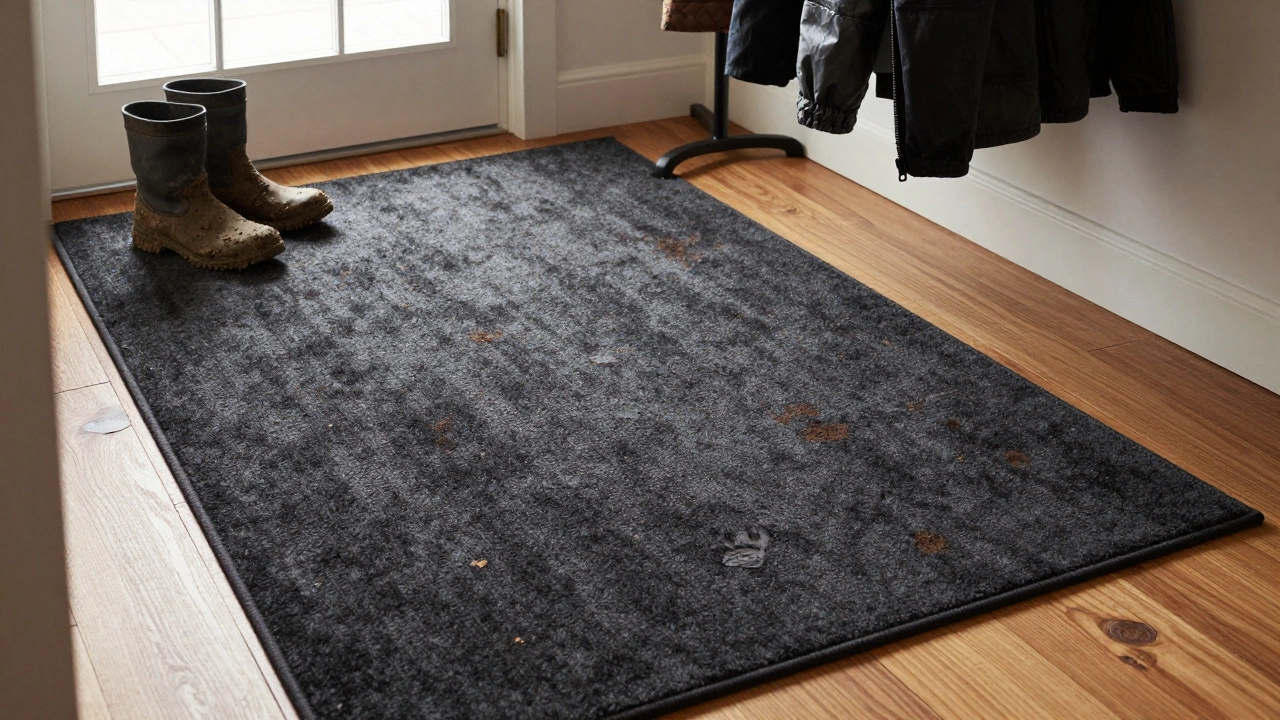
If you’ve ever stared at a light-colored rug after a messy day with kids, pets, or muddy boots, you know the struggle. Dirt doesn’t just show up-it screams for attention. The good news? Not all rug colors are created equal when it comes to hiding grime. Some colors practically swallow dirt whole. Others? They turn into a highlight reel of every spill, tracked-in soil, and pet hair that dares to land on them.
Why color matters more than you think
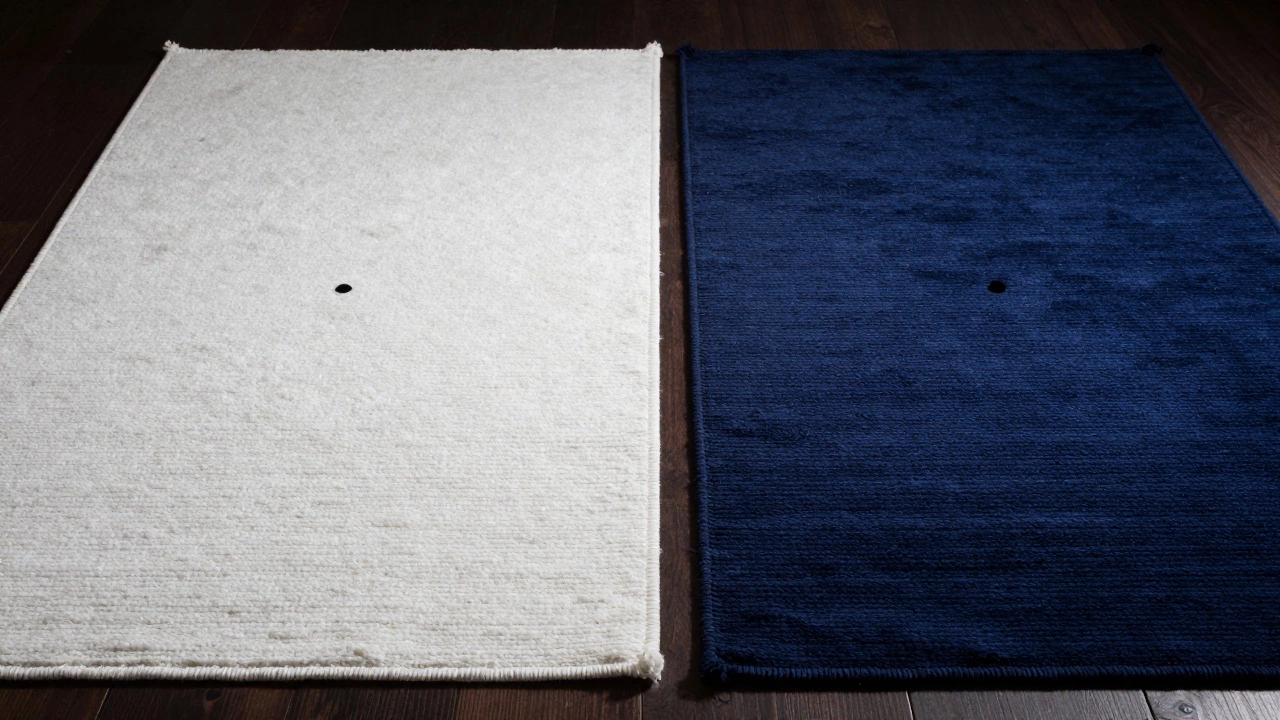
It’s not just about style. The color of your rug directly affects how long it looks clean. A white rug might look elegant in a magazine, but in real life? It needs cleaning every week. Darker tones, textured patterns, and multi-colored designs do the heavy lifting when it comes to masking everyday messes.Think of it like this: dirt is brown, gray, black, or a mix of those. So rugs that already have those tones built in don’t stand out when new dirt shows up. It blends. That’s the magic. A solid beige rug might look nice, but one speck of black dirt? It’s like a billboard. A charcoal rug with a subtle weave? That same speck vanishes.
The top rug colors that hide dirt best
- Dark gray - This is the quiet champion. It’s not as harsh as black, but it hides dirt better than most. Works great in living rooms, hallways, and entryways. Even fine dust and pet hair disappear into the shade.
- Charcoal and navy - These are the heavy lifters. Navy rugs, especially with a slight texture, make coffee spills and tracked-in dirt look like part of the pattern. Navy is especially popular in homes with dogs or kids because it doesn’t show moisture the way black sometimes does.
- Medium brown and taupe - These earth tones are perfect for natural, cozy spaces. They don’t scream for attention like light beige, but they’re not as dramatic as black. A good middle ground for families who want warmth without constant cleaning.
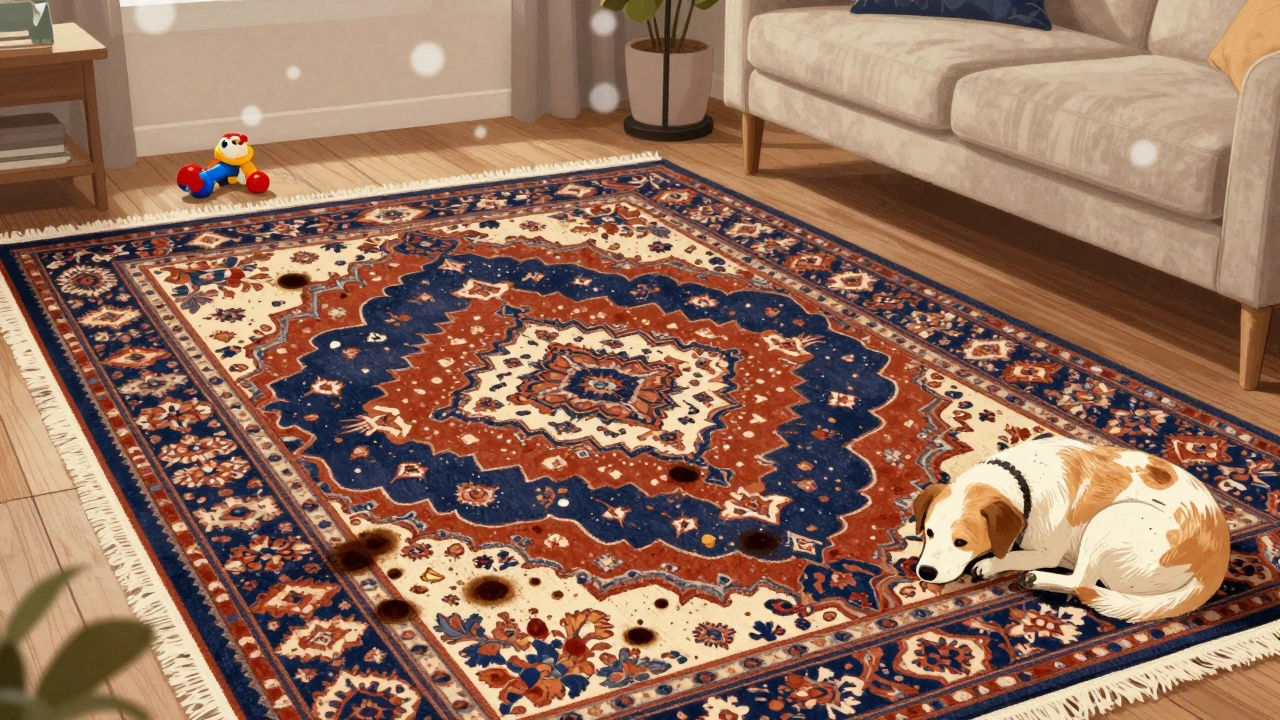
- Multi-colored and patterned rugs - This is the ultimate cheat code. Rugs with geometric designs, flecked textures, or variegated dyes (like a faded Persian style) break up the surface. Dirt doesn’t have a clean canvas to land on. Even a small stain gets lost in the chaos of color.
- Black - Yes, black hides dirt perfectly. But it shows lint, pet hair, and fine dust like a magnet. If you have long-haired pets or live in a dusty area, black can become a maintenance nightmare. Use it with caution.
What to avoid
Light colors are the enemy of low-maintenance living. White, cream, light gray, pastel blue, and beige rugs all look stunning in showrooms. But in real homes? They’re high-maintenance liabilities.
A 2024 survey of 1,200 homeowners in North America and New Zealand found that 78% of people who chose light-colored rugs regretted it within six months. The most common complaint? “I’m always vacuuming.”
Even off-white or “greige” (gray-beige) rugs aren’t safe. They look clean until sunlight hits them just right-and then every speck of dirt becomes visible. If you love light tones, go for a rug with a tight weave and stain-resistant treatment. But even then, expect more work.
Texture and weave make a difference too
Color isn’t the only factor. How the rug is made matters just as much.
A flat-weave rug, like a kilim, shows every speck of dirt because it’s smooth and even. A shag rug? It hides dirt beautifully-dirt sinks into the pile and gets buried. But shag traps pet hair and can be harder to clean deeply. A medium-pile, twisted loop rug (like a Berber style) hits the sweet spot: enough texture to hide dirt, but not so deep that it holds onto grime.
Look for rugs labeled “high-traffic” or “commercial grade.” These are often made with tighter loops and denser fibers. They’re not just tougher-they’re smarter about hiding what’s on them.
Real-world examples from homes
In Wellington, where rain and wet boots are part of daily life, many homeowners choose dark navy or charcoal wool rugs in entryways. One family with two dogs and a toddler switched from a cream rug to a charcoal blend with flecks of gray and brown. They went from vacuuming daily to once a week. “It looks like it’s always been a little dirty,” they said. “And that’s exactly what I want.”
Another example: a café in Christchurch uses a deep brown, multi-colored rug in its front seating area. They serve coffee, pastries, and have constant foot traffic. The rug has been in place for three years. No one’s ever asked them to replace it. The owner says, “It looks lived-in, not dirty. That’s the goal.”
What about stain-resistant treatments?
Many rugs come with Scotchgard-style coatings that repel spills. These help-but they’re not magic. They buy you time, not immunity. A coffee spill left for 12 hours will still stain, even on a treated rug. Color still does the heavy lifting.
Stain-resistant treatments work best when paired with the right color. A navy rug with a stain guard? That’s the dream combo. You get the hiding power of the color, plus the extra layer of protection.
How to choose the right rug for your space
- Consider your lifestyle. Kids? Pets? High foot traffic? Go dark or patterned.
- Look at your lighting. Bright rooms show dirt more. Dark rugs help balance that.
- Test samples. Put them in the spot where dirt accumulates most. Walk on them with muddy shoes. See how they look after a week.
- Check the fiber. Wool and nylon hold up better than polyester. They’re also easier to clean deeply.
- Don’t fall for “neutral” marketing. Beige is not neutral if it shows every speck of dirt.
Final tip: embrace the lived-in look
The best rugs don’t look brand new-they look comfortable. They’ve seen life. That’s why the top-performing colors aren’t the ones that look pristine. They’re the ones that look like they belong.
When you stop fighting dirt and start working with it, your home becomes easier to live in. A dark rug isn’t a compromise. It’s a smart choice. It lets you focus on what matters: relaxing, playing, eating, living-without stressing over every little spot.
What color rug hides dirt the best?
Dark gray, charcoal, navy, and medium brown rugs hide dirt best. Multi-colored or patterned rugs also work well because the variation breaks up stains and makes them less noticeable. Avoid white, cream, and light gray-they show every speck of dirt.
Is black a good color for a rug if I want to hide dirt?
Black hides dirt and spills well, but it shows lint, pet hair, and fine dust more than other dark colors. If you have long-haired pets or live in a dusty area, charcoal or navy are better choices. Black works best in low-hair, controlled environments like formal living rooms.
Do patterned rugs hide dirt better than solid colors?
Yes, patterned rugs hide dirt better than solid colors because the design breaks up stains and discoloration. Flecked, variegated, or Persian-style rugs with multiple tones make dirt blend in naturally. A solid navy rug hides dirt well, but a navy rug with brown and cream flecks hides it even better.
What rug material is best for hiding dirt and lasting long?
Wool and nylon are the best materials. Wool naturally resists stains and holds color well. Nylon is durable, easy to clean, and holds up under heavy foot traffic. Avoid polyester-it fades faster and holds onto odors. Look for rugs labeled “high-traffic” or “commercial grade” for the best performance.
Should I get a rug with a stain-resistant treatment?
Yes, but only as a bonus-not a replacement for good color choice. Stain-resistant treatments help with spills, but they won’t stop dirt from settling in over time. Pair them with dark or patterned rugs for the best results. Always clean spills quickly, even on treated rugs.