Best International Shipping Rates: Comparing Top Carriers for 2026
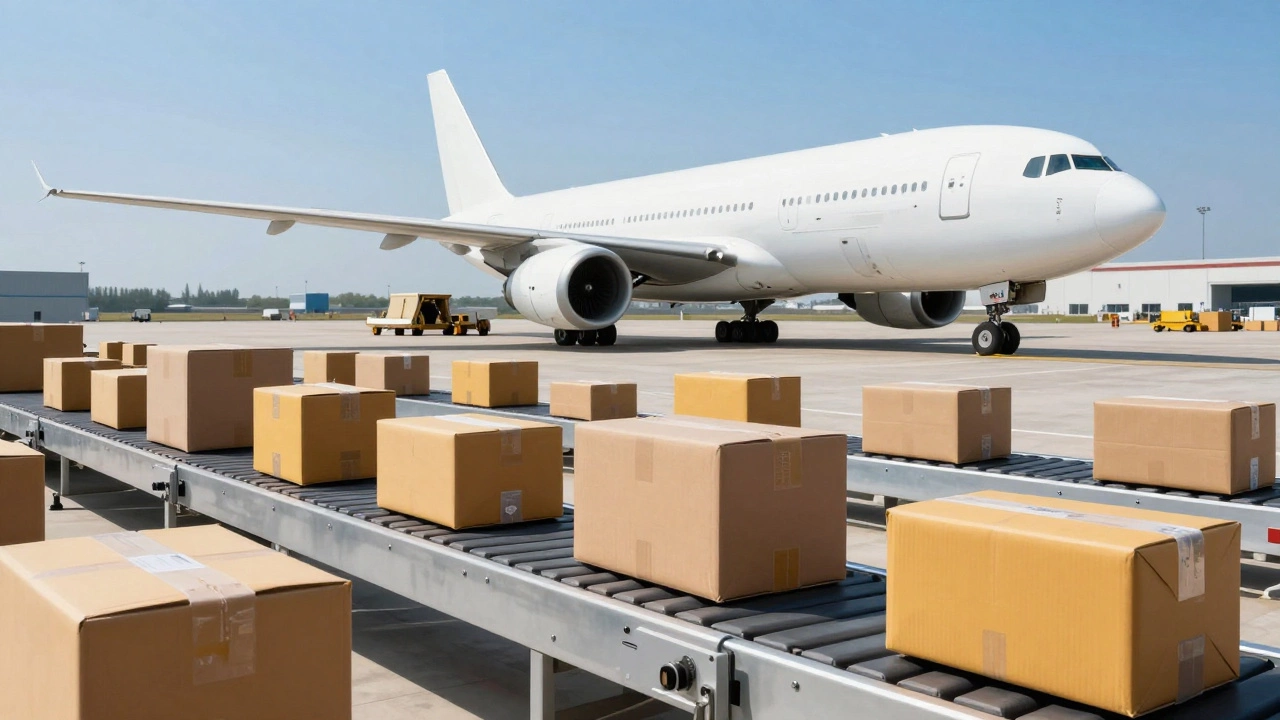
International Shipping Cost & Dimension Estimator
Package Details
Analysis Results
Enter your package details and click calculate to see the recommended carrier and weight analysis.
Shipping a package across the ocean usually feels like a gamble. You plug your dimensions into a calculator, hit enter, and suddenly you're staring at a price tag that costs more than the actual item you're sending. Whether you're an Etsy seller scaling up or just sending a care package to family in Europe, the "best" rate isn't always the lowest number on the screen-it's the balance between cost, speed, and the risk of your package vanishing into a customs black hole.
Quick Summary: Choosing the Right Carrier
- Best for Speed & Reliability: DHL Express generally wins for global reach and customs clearance.
- Best for North American Routes: FedEx and UPS offer the most competitive rates between the US, Canada, and Mexico.
- Best for Budget/Low Weight: National postal services (like USPS or Royal Mail) are unbeatable for small, non-urgent parcels.
- Best for Heavy Freight: Freight forwarders beat traditional couriers when you're shipping pallets or oversized crates.
The Heavy Hitters: Comparing the Big Three
When people talk about international shipping rates, they usually start with the "Big Three." But these companies don't price things the same way. They use a concept called Dimensional Weight, which means they charge you based on the space a package takes up, not just how much it weighs. If you put a pillow in a large box, you're paying for the air inside.
DHL is widely considered the gold standard for international logistics. Unlike their competitors, DHL has a massive footprint in emerging markets. If you're shipping to India, Brazil, or Vietnam, DHL often has the most straightforward pricing because they own the entire chain. They handle the Customs Brokerage in-house, which means fewer surprise fees for the receiver.
FedEx and UPS are powerhouses in the West. For shipping from New York to Toronto or London to New York, their rates are often lower than DHL's. FedEx is particularly strong with air express options, while UPS often provides better rates for heavier, ground-based international shipments via their partnership networks.
| Carrier | Best For | Pricing Strategy | Customs Ease |
|---|---|---|---|
| DHL | Global/Asia/Africa | Premium, High Stability | Excellent |
| FedEx | North America/Fast Air | Tiered by Speed | Good |
| UPS | Heavy Goods/Americas | Volume-based Discounts | Good |
| Postal Services | Small Parcels | Weight-based (Flat) | Variable |
When to Use Your Local Post Office
If you're shipping a 2kg book or a small piece of jewelry, calling a private courier is usually a waste of money. National postal services, such as USPS in the States or NZ Post in New Zealand, use a global network called the Universal Postal Union. This allows them to hand off packages to the destination country's local post.
The trade-off here is speed and visibility. Once a package leaves your country via the postal service, tracking often becomes a guessing game. You might see "Arrived in Destination Country" and then nothing for two weeks. However, for non-urgent items, this is almost always the cheapest route. It's the difference between paying $60 for a 3-day delivery or $20 for a 21-day delivery.

Hidden Costs That Ruin Your Budget
The rate you see on the website is rarely the final price. To avoid sticker shock, you need to understand Incoterms-the international rules that decide who pays for what. The most common are DDU (Delivered Duty Unpaid) and DDP (Delivered Duty Paid).
If you ship DDU, your customer or friend has to pay the Import VAT and customs duties before the carrier will release the package. This often leads to "refused shipments," where the receiver is shocked by the tax bill and sends the item back to you-at your expense. If you want a professional experience, use DDP, where you pay the duties upfront. It increases your initial cost but guarantees the package actually reaches the doorstep.
The Secret Weapon: Shipping Aggregators
You don't actually have to go to the carrier's website to get the best deal. In fact, doing so is often the most expensive way to ship. Small businesses should use Shipping Aggregators. These are platforms that buy shipping labels in massive bulk from DHL, FedEx, and UPS, then sell that discounted rate to you.
By using a third-party platform, you can often save 30% to 70% off the "retail" price. These tools also allow you to compare rates across different carriers in one screen. Instead of opening four tabs, you enter the weight and destination once, and the software tells you that UPS is $12 cheaper than FedEx for that specific route.
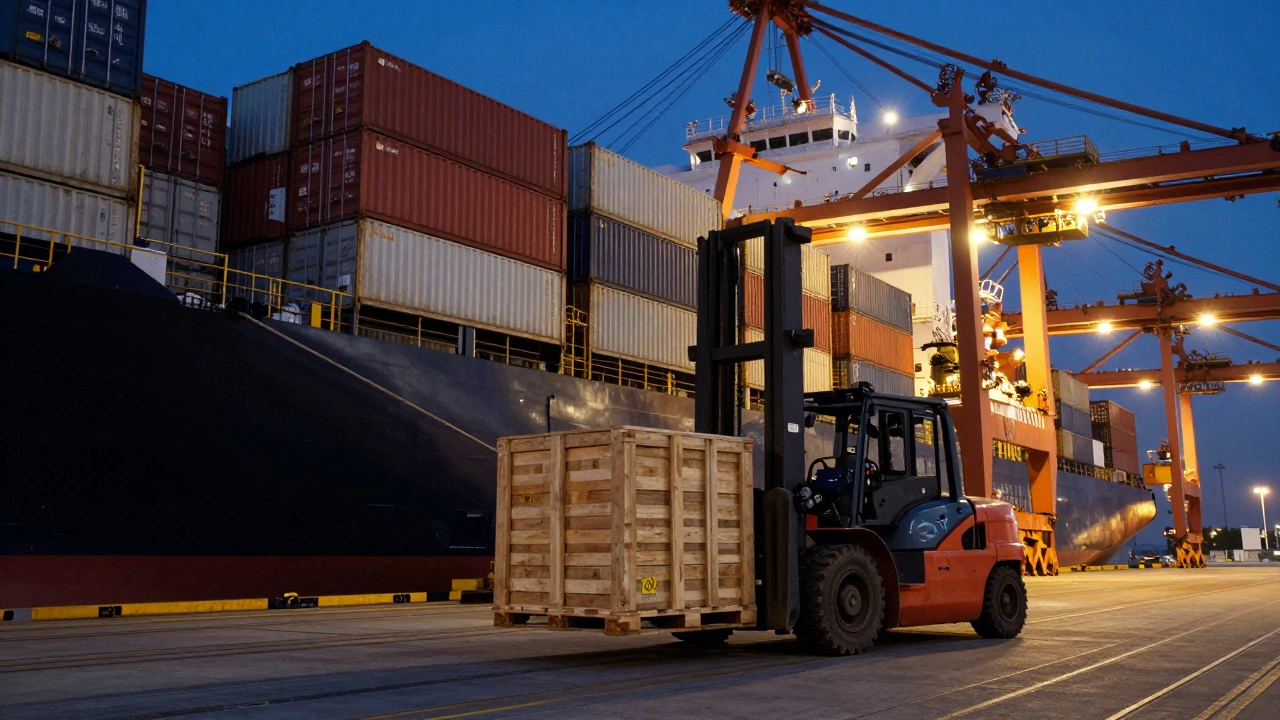
Freight Forwarding for the Big Stuff
Once you move past the "parcel" stage and start shipping 100kg+ or full pallets, couriers become prohibitively expensive. This is where Freight Forwarders come in. They don't own the planes or ships; they are essentially travel agents for cargo.
They optimize your shipment by using LCL (Less than Container Load), meaning your goods share a shipping container with other people's stuff. This drops the price per kilogram significantly. If you're moving industrial equipment or wholesale inventory, forget the couriers and look for a licensed freight forwarder who specializes in your specific trade lane.
Why is my shipping quote so much higher than the actual weight?
Carriers use "Dimensional Weight." They calculate the volume of the box (Length x Width x Height) and divide it by a DIM factor. If the box is large but light, you are charged for the volume because that package takes up valuable space on a plane or truck.
Is DHL always the most expensive?
Not necessarily. While their express services are premium, DHL often has the most efficient logistics in Asia and Africa, which can actually make them cheaper than FedEx or UPS for those specific regions due to fewer third-party hand-offs.
What is the cheapest way to ship internationally?
For small, lightweight items that aren't time-sensitive, your national postal service (like USPS or Royal Mail) is usually the cheapest. For business shipments, using a shipping aggregator to access commercial discounts is the best way to lower costs.
What are customs duties and who pays them?
Customs duties are taxes imposed by the destination country's government. Under DDU terms, the receiver pays them. Under DDP terms, the sender pays them. Failing to clarify this usually results in delayed packages or unexpected costs for the customer.
How can I reduce my international shipping costs?
Use the smallest box possible to avoid high dimensional weight charges, choose a slower shipping tier if the deadline allows, and use a shipping software platform to access negotiated commercial rates instead of retail prices.
Next Steps for Your Shipment
If you're just starting, your first move should be to audit your packaging. A 1-inch difference in box size can sometimes push you into a higher pricing tier. Next, decide if your priority is speed or cost. If it's cost, go to your local post office or sign up for a shipping aggregator. If it's speed and peace of mind, go with a primary courier like DHL or FedEx, and always opt for DDP to keep your customers happy.