Best Curtain Colors for a Cozy Room: Warmth and Mood Guide
Quick Tips for Cozy Vibes
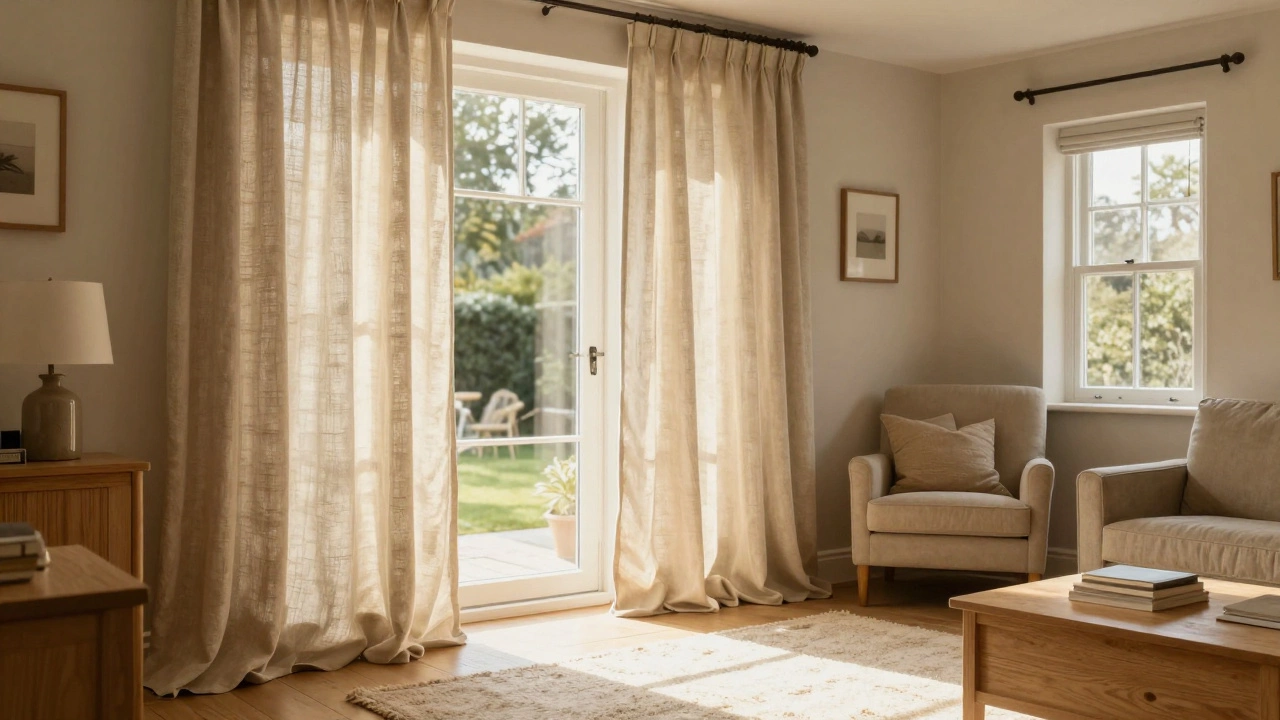
- Go for warm neutrals like oatmeal, terracotta, or butter-yellow for a welcoming feel.
- Use deep, saturated tones like forest green or navy to create a "cocoon" effect.
- Avoid stark whites or cool grays if the room lacks natural sunlight.
- Choose heavy fabrics like velvet or linen to add physical and visual warmth.
The Psychology of Warmth in Color
To understand what makes a room feel cozy, we have to look at the color wheel. Colors are generally split into warm and cool tones. Warm colors-reds, oranges, yellows, and their muted versions-tend to evoke feelings of energy, comfort, and intimacy. This is why a soft terracotta or a deep burgundy can make a large, drafty living room feel suddenly smaller and more intimate.When you install Curtains is fabric panels used to cover windows for privacy, light control, and decoration , you aren't just blocking light; you are filtering it. A warm-colored curtain acts like a permanent sunset filter for your room. Even on a rainy Tuesday in November, yellow or peach-toned curtains can make the incoming light feel softer and more inviting.
Earth Tones for a Natural Sanctuary
If you want a cozy feel that doesn't feel overwhelming or "too much," earth tones are your best bet. These colors mimic the outdoors, which naturally puts humans at ease. Think about the colors of a forest in autumn or a sandy beach.- Olive and Sage Green: These aren't just for nature lovers. Greens bring a sense of peace and stability. A deep olive green creates a sophisticated yet snug environment, especially when paired with wooden furniture.
- Terracotta and Rust: These shades add a punch of warmth. They work incredibly well in rooms with a lot of white or gray, as they act as a focal point of heat.
- Oatmeal and Taupe: Pure white can feel clinical. A warm beige or taupe, however, provides a soft backdrop that feels clean but lived-in.
Creating a 'Cocoon' with Darker Hues
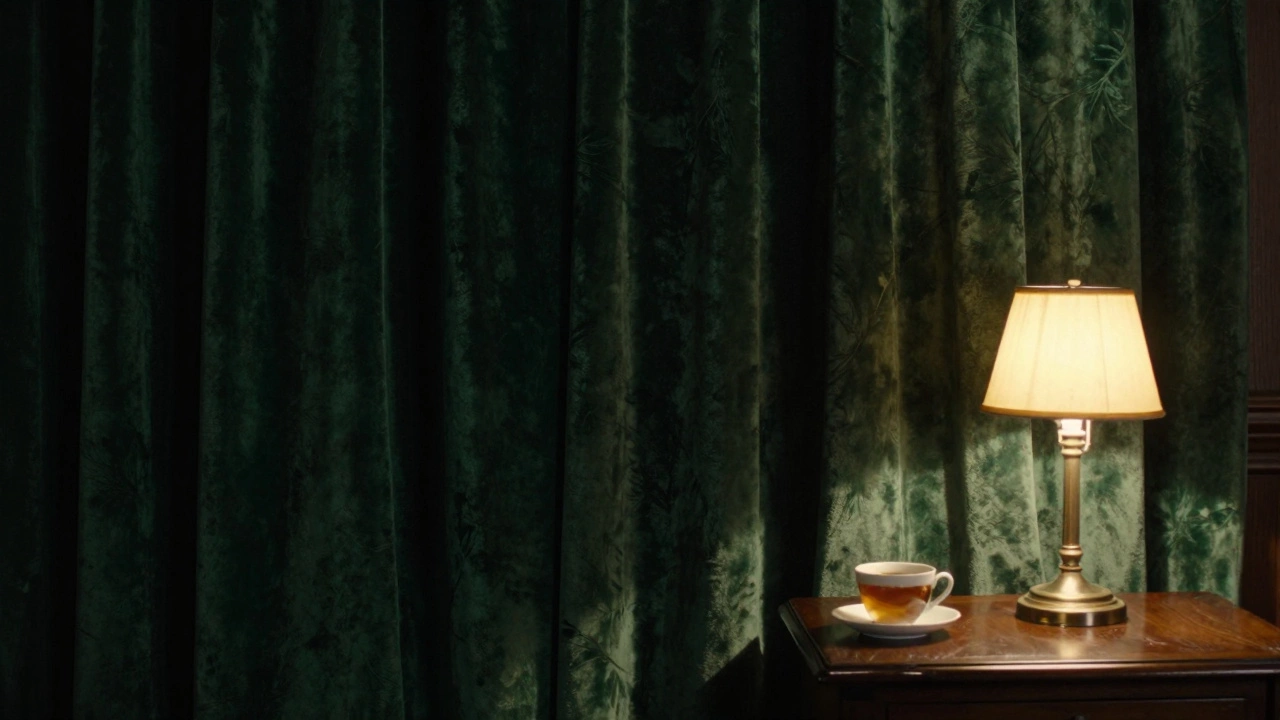
There is a common myth that dark colors make a room feel smaller in a bad way. In reality, for coziness, "smaller" is often better. This is known as the cocooning effect. By using deep, saturated colors, you blur the boundaries of the room, making it feel like a protective shell.Consider Velvet is a closely woven fabric with a thick, short pile that provides high opacity and thermal insulation curtains in navy blue or charcoal. Because velvet absorbs light rather than reflecting it, the color looks deeper and richer. This is a game-changer for bedrooms or media rooms where you want to shut out the world and focus on relaxation.
| Color Family | Emotional Effect | Best Use Case | Pair With |
|---|---|---|---|
| Warm Neutrals (Beige, Cream) | Airy, Calm, Soft | Small living rooms | Light oak wood |
| Jewel Tones (Emerald, Sapphire) | Luxurious, Moody, Intimate | Bedrooms, Libraries | Gold accents |
| Earth Tones (Rust, Sage) | Grounded, Organic, Stable | Kitchens, Sunrooms | Indoor plants |
| Deep Darks (Charcoal, Navy) | Secure, Private, Quiet | Home theaters, Bedrooms | Warm lighting/lamps |
How Lighting Changes Your Color Choice
Before you buy fabric, look at your windows. Which way do they face? This is a step many people skip, and it's why curtains sometimes look completely different in the store than they do at home.If you have North-facing windows, your room gets a lot of cool, bluish light. To counter this, you need colors with high warmth. A cool gray curtain in a North-facing room will make the space feel freezing. Instead, go for a warm cream or a soft gold to bring back the balance.
For South-facing windows, you're flooded with intense, yellow light. You have more flexibility here. You can use deep greens or even a muted blue, as the natural sun will keep the room feeling warm without the need for high-energy colors.
Texture: The Secret Ingredient to Coziness
Color is only half the battle. The material of the curtain changes how the color is perceived. A bright red curtain in a thin, shiny satin looks like a hotel lobby. That same red in a heavy Linen is a textile made from the fibers of the flax plant, known for its breathability and natural texture looks like a rustic cottage. Texture adds "visual weight." When a fabric looks heavy, our brains associate it with warmth and protection. This is why linen, wool blends, and velvet are the gold standards for cozy interiors. If you choose a lighter color, like ivory, use a heavier fabric to ensure it doesn't feel too flimsy or cold.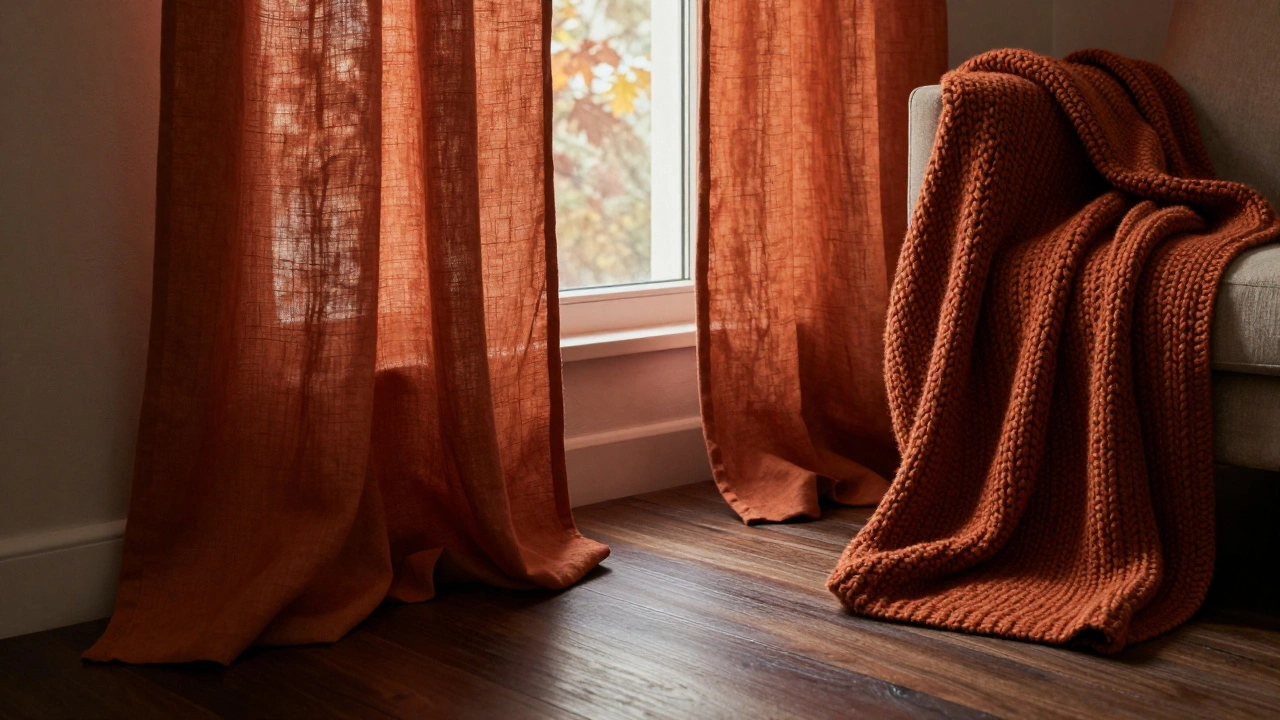
Common Pitfalls to Avoid
It is easy to go overboard when trying to make a room cozy. The goal is a snug feeling, not a cave. First, avoid matching your curtains exactly to your wall paint. If you have beige walls and beige curtains, the room feels flat. Instead, go two shades darker or lighter. This creates depth, which is a key component of a cozy atmosphere. Second, be careful with "cool' neutrals. There is a big difference between a warm gray (greige) and a cool gray (blue-gray). Cool grays are great for modern offices, but they are the enemy of coziness. If you want gray, always check the undertones under warm light to make sure it doesn't lean too blue.Putting it All Together: A Decision Guide
If you're still stuck, ask yourself what the primary goal of the room is. Is it for high-energy social gatherings or a quiet place to hide from the world?- For Social Warmth: Go for mid-tone warm colors like mustard yellow, terracotta, or soft peach. These colors stimulate conversation and make guests feel welcome.
- For Quiet Relaxation: Go for deep, muted tones. Think forest green, navy, or deep plum. These colors lower the visual energy of the room and help you wind down.
- For a Bright but Snug Feel: Stick to warm neutrals. Oatmeal, biscuit, and cream keep the room feeling large and clean while still providing that essential warmth.
Can white curtains ever make a room feel cozy?
Yes, but only if they are the right kind of white. Avoid "stark white" or "optic white," which can feel sterile. Instead, look for cream, ivory, or off-white. Additionally, the fabric must be textured-think a heavy linen or a chunky weave-to avoid the "hospital" look.
Do dark curtains make a room feel smaller?
Technically, yes, they can make the walls feel closer. However, in the context of coziness, this is usually a positive. It creates a "hug" effect. To prevent the room from feeling too cramped, pair dark curtains with a light-colored rug or a few bright pieces of art.
What colors should I avoid for a cozy feel?
Avoid cool-toned grays, stark whites, and neon colors. Electric blue or bright lime green create a high-energy, vibrating atmosphere that is the opposite of cozy. Stick to muted, saturated, or warm-undertoned colors.
How do I choose curtains for a room with no natural light?
In a dark room, you have two choices. You can either lean into the moodiness with deep jewel tones (like emerald or navy) to create a luxurious den, or you can use warm neutrals (like butter-yellow or cream) to try and fake the feeling of sunlight.
Does the curtain length affect the coziness?
Absolutely. Curtains that stop halfway down the wall can look choppy and unfinished. For maximum coziness, go for floor-to-ceiling curtains. When the fabric pools slightly on the floor (the "puddle" look), it adds a layer of luxury and warmth that makes the room feel completely enclosed and secure.