Bedding vs. Sheets: What’s the Difference?
Bedding Needs Analyzer
Confused about what to buy? Answer these questions to find out if you need fresh sheets (hygiene/comfort) or new bedding (style/warmth).
Shopping List:
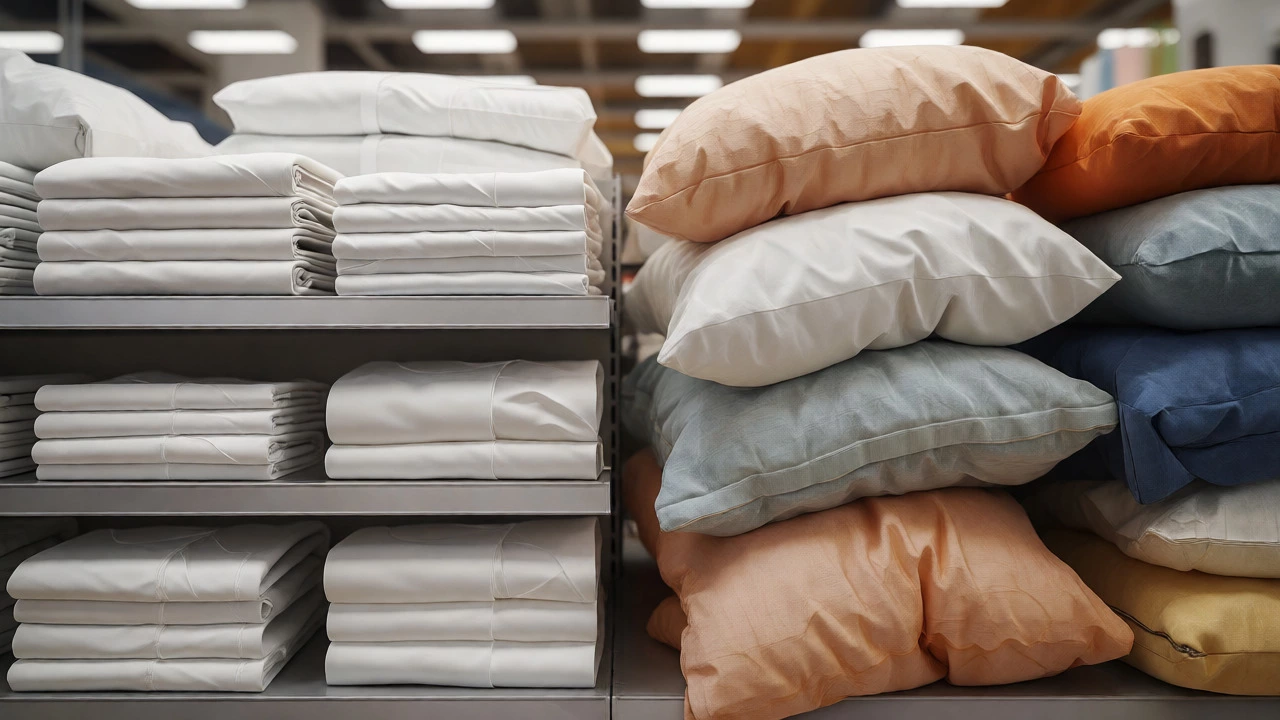
You’re standing in a store aisle, staring at two piles of fabric. One is labeled "Sheets," the other "Bedding." You need to buy something for your guest room, but you aren't sure which box to grab. If you buy just sheets, will the bed look finished? If you buy bedding, do you already have enough sheets? This confusion is surprisingly common because the terms are often used interchangeably in casual conversation, even though they refer to different things.
Here is the short answer: Bedding is the umbrella term for all the textiles on your bed, while sheets are just one specific layer within that category. Think of it like clothing. "Outfit" is the whole look (shirt, pants, shoes), but a "t-shirt" is just one item. You can wear a t-shirt without an outfit, but you can’t really have an outfit without clothes. Similarly, you can use sheets without a duvet or blanket, but "bedding" implies the complete ensemble.
The Core Definition: What Counts as Bedding?
Bedding is the collective term for all textiles used to dress a bed, including sheets, blankets, duvets, comforters, and decorative pillows. It serves three main purposes: warmth, hygiene, and aesthetics. When people talk about "changing the bedding," they usually mean stripping the entire bed down to the mattress pad and putting everything back up again.
Because bedding is a broad category, it includes several distinct components. Understanding these helps you shop smarter and avoid buying duplicates. Here is what typically falls under the bedding umbrella:
- Sheets: The layer directly touching your skin or mattress protector.
- Duvet Covers: A removable sleeve that goes over a duvet insert.
- Comforters: Thick, quilted blankets filled with synthetic fiber or down.
- Blankets: Lighter layers used for extra warmth or decoration.
- Pillowcases: Covers for sleeping pillows.
- Decorative Pillows/Shams: Non-sleeping pillows used purely for style.
- Bed Skirts: Fabric that hangs from the edge of the mattress to hide the space underneath.
If you strip your bed completely, every single item you remove is part of your bedding set. This distinction matters because washing instructions, price points, and replacement cycles vary wildly between these items. You wash sheets weekly; you might only wash a duvet cover monthly or quarterly.
Zooming In: What Exactly Are Sheets?
Sheets are thin pieces of fabric designed to fit directly onto the mattress or cover the sleeper. They are the most frequently washed component of your bedding. Unlike heavy comforters or bulky duvets, sheets are lightweight and breathable. Their primary job is hygiene-keeping sweat, dead skin cells, and oils off your mattress-and comfort.
There are four standard types of sheets you’ll encounter:
- Fitted Sheets: These have elastic corners (or sometimes all-around elastic) to grip the mattress. They stay put during the night.
- Flat Sheets: Large rectangular pieces of fabric. Traditionally, this was the top sheet you tucked under your feet. Many modern sleepers skip this layer entirely, preferring just a duvet or comforter.
- Top Sheets: Sometimes confused with flat sheets, but specifically meant to go over the fitted sheet and under the blanket/duvet.
- Pillowcases: While technically separate, they are almost always sold as part of a "sheet set." Note that pillowcases are not shams. Pillowcases open at the end for easy insertion; shams usually zip or button shut and are for decoration.
When someone asks, "Do I need new sheets?" they are asking about the hygienic barrier between them and the mattress. When someone asks, "Do I need new bedding?" they might be looking to refresh the look of their bedroom, which could involve buying a new duvet cover, a throw blanket, or new pillows, regardless of whether their sheets are clean.
The Material Matrix: How Fabric Choices Differ
One reason people confuse bedding and sheets is that both come in similar materials. However, the performance requirements differ. Sheets need to be breathable and soft against the skin. Outer bedding needs to be durable and warm.
| Material | Best For | Why It Works | Care Tip |
|---|---|---|---|
| Cotton Percale | Sheets | Crisp, cool, matte finish. Great for hot sleepers. | Wash warm, tumble dry low. Wrinkles easily. |
| Cotton Sateen | Sheets | Silky feel, slight sheen. Warmer than percale. | Can snag if washed with zippers/buttons. |
| Linen | Sheets & Duvets | Extremely breathable, gets softer with age. | Shrinks significantly. Wash cold, hang dry. |
| Microfiber | Bedding Sets | Inexpensive, durable, resists stains. | Traps heat. Not ideal for sweaty sleepers. |
| Down/Feather | Duvets/Pillows | Lightweight warmth, luxurious loft. | Requires professional cleaning or careful home care. |
| Wool | Blankets/Throws | Naturally temperature-regulating. | Hand wash or gentle cycle. Air out instead of frequent washing. |
Notice how cotton dominates the sheet category. That’s because cotton absorbs moisture well. Microfiber, often found in cheap "bedding sets," is plastic-based (polyester). It doesn’t breathe as well, so while it makes great outer bedding for guest rooms, it can feel clammy as a sheet if you run hot.
Buying Guide: Sets vs. Separates
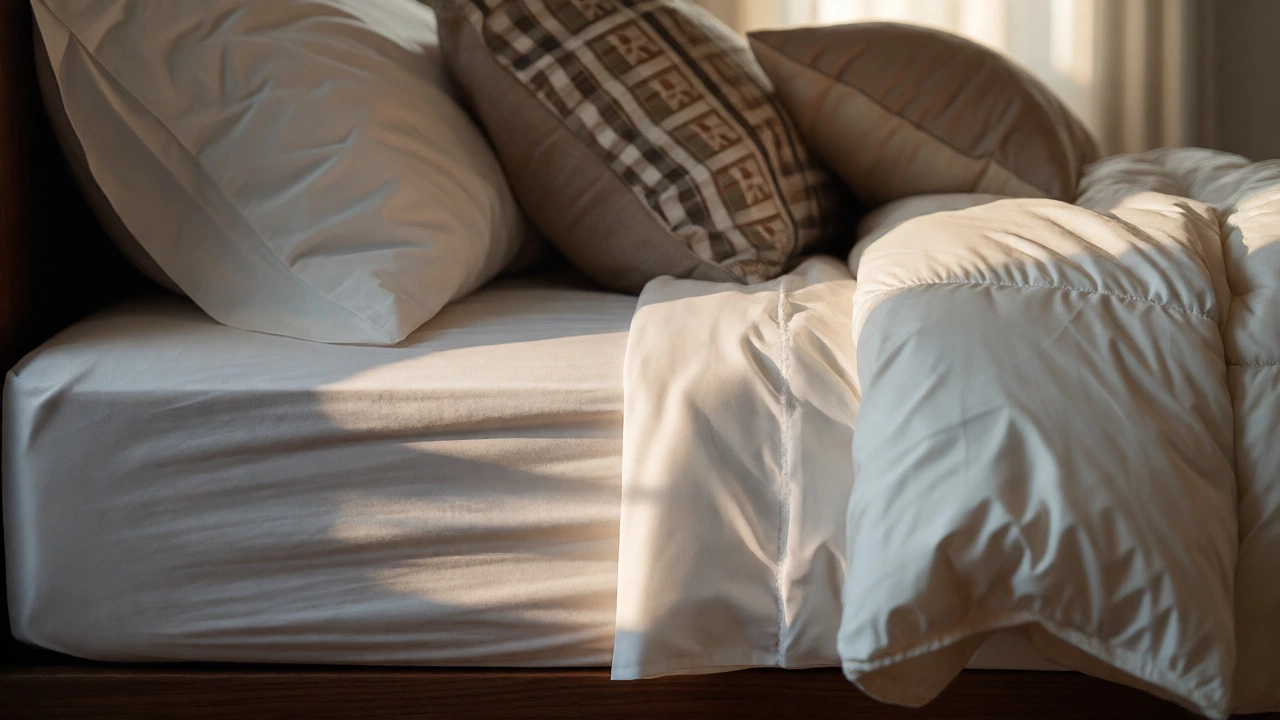
This is where the wallet impact happens. Retailers love selling "Bedding Sets." But what does that actually include? It varies by brand, so you must read the fine print.
A typical Sheet Set includes:
- 1 Fitted Sheet
- 1 Flat Sheet (sometimes omitted in modern sets)
- 2 Pillowcases
A typical Bedding Set (often called a Comforter Set or Duvet Cover Set) includes:
- 1 Comforter or Duvet Cover
- 2 Pillow Shams
- 1 Decorative Throw Pillow (sometimes)
- Note: Most high-end bedding sets do NOT include sheets.
Some budget-friendly bundles combine both. These are convenient but risky. Why? Because matching sizes is tricky. A "Queen" bedding set might have a duvet cover sized for a Queen mattress, but the included sheets might be thin, poor-quality polyester that pills after two washes. You save money upfront but lose comfort long-term.
Pro Tip: Buy sheets separately from the rest of your bedding. Invest in high-quality cotton or linen sheets for your daily comfort. Then, choose your duvet cover, comforter, or blankets based on style and seasonal warmth needs. This allows you to change your bedroom's look without replacing your expensive sheets.
Maintenance Matters: Washing Different Layers
Confusing bedding with sheets leads to laundry disasters. If you throw a heavy weighted blanket into a standard washer, you might break the machine. If you wash delicate silk sheets with rough denim, you’ll ruin the fabric.
Here is the breakdown by frequency and method:
- Sheets: Wash every 1-2 weeks. Use warm water (unless the label says cold) and mild detergent. Avoid fabric softener-it coats fibers and reduces absorbency, making sheets feel waxy over time.
- Duvet Covers: Wash every 3-4 weeks. Turn inside out before washing to protect the color and prevent lint buildup. Zipper closed to avoid tangling.
- Comforters/Duvet Inserts: Wash 2-4 times a year. Check the care label. Down alternatives are usually machine washable. Real down often requires a large-capacity commercial machine or dry cleaning.
- Blankets/Throws: Wash monthly or when visibly dirty. Wool throws should be aired out regularly and washed rarely to preserve natural oils.
- Pillows: Wash covers weekly. Wash actual pillows every 6 months. Replace pillows every 1-2 years depending on material.
If you treat all "bedding" the same way, you’ll either over-wash delicate items (shrinking them) or under-wash hygienic items (accumulating dust mites). Knowing which item is a sheet and which is a comforter dictates your laundry routine.
Regional Differences: The Top Sheet Debate
Your definition of bedding might depend on where you live. In New Zealand, Australia, and much of Europe, the "top sheet" (flat sheet) is largely obsolete. People sleep directly under a duvet or comforter. The duvet cover acts as the top sheet. This simplifies bedding to: Mattress Protector, Fitted Sheet, Duvet Insert, Duvet Cover.
In North America, the traditional American style persists: Mattress, Fitted Sheet, Flat Sheet, Blanket/Comforter. This creates more layers to manage. If you’re buying bedding online from international retailers, check if the set includes a flat sheet. If you live in Wellington and prefer the European style, you don’t need one. Buying a set with a flat sheet you never use is wasted money.
Quick Checklist: What Do You Actually Need?
Before you click "add to cart," ask yourself these questions to determine if you need sheets, bedding, or both:
- Is my current sheet set worn out? Look for thinning fabric, holes, or persistent odors. If yes, buy sheets.
- Does my bedroom look dated? If your walls are fresh but the bed looks boring, you need bedding (new duvet cover, colors, textures).
- Am I moving into a new place? You need both. Start with a quality sheet set for your own bed. Buy basic white bedding for guests.
- Do I have allergies? Prioritize sheets made of tightly woven cotton or bamboo. Buy allergen-proof mattress encasements (part of bedding infrastructure).
- Is it winter? You might need heavier bedding (wool blanket, thicker duvet) but your summer sheets might still work.
Remember, sheets are a necessity. Bedding is a choice. You can survive without a duvet cover (just use a plain blanket), but you shouldn’t sleep directly on a bare mattress. Therefore, if you have a limited budget, spend it on sheets first. Upgrade the aesthetic bedding later.
Can I use a duvet cover as a sheet?
Technically, yes, but it’s not recommended for regular use. Duvet covers are usually made of heavier, stiffer fabrics like sateen or linen blends designed for durability, not skin contact. They lack the softness and breathability of dedicated sheets. Additionally, they are often too large and loose to tuck in properly, creating wrinkles and discomfort throughout the night.
How many sets of bedding do I need?
For sheets, experts recommend having at least three sets per bed: one on the bed, one in the wash, and one spare. For other bedding like duvet covers, two sets are sufficient-one for everyday use and one for rotating styles or backup. Comforters and blankets usually last for years and don’t need multiple backups unless you entertain guests frequently.
What is the difference between a sham and a pillowcase?
A pillowcase is functional and has an opening at one end for inserting the pillow. It is used for sleeping. A sham is decorative, usually features a closure (zipper, buttons, or overlap) at the back, and often has flanges (borders) around the edges. Shams are removed before going to bed to maintain cleanliness and comfort.
Are microfiber sheets bad for health?
Microfiber is synthetic (polyester). It isn't inherently "bad," but it traps heat and moisture, which can promote bacterial growth if not washed frequently. It also sheds microplastics into the water system when washed. Natural fibers like cotton, linen, or bamboo are generally better for temperature regulation and environmental impact.
Do I need a mattress protector?
Yes. While not always classified as "bedding" in retail sections, a mattress protector is crucial. It sits between your mattress and your fitted sheet. It protects against spills, stains, and dust mites. Without it, your mattress warranty may be void, and cleaning a stained mattress is nearly impossible compared to washing a sheet.