Are Non Stick Pans Still Unhealthy? The Truth About Modern Coatings
Non-Stick Pan Safety Calculator
Cooking Temperature Safety
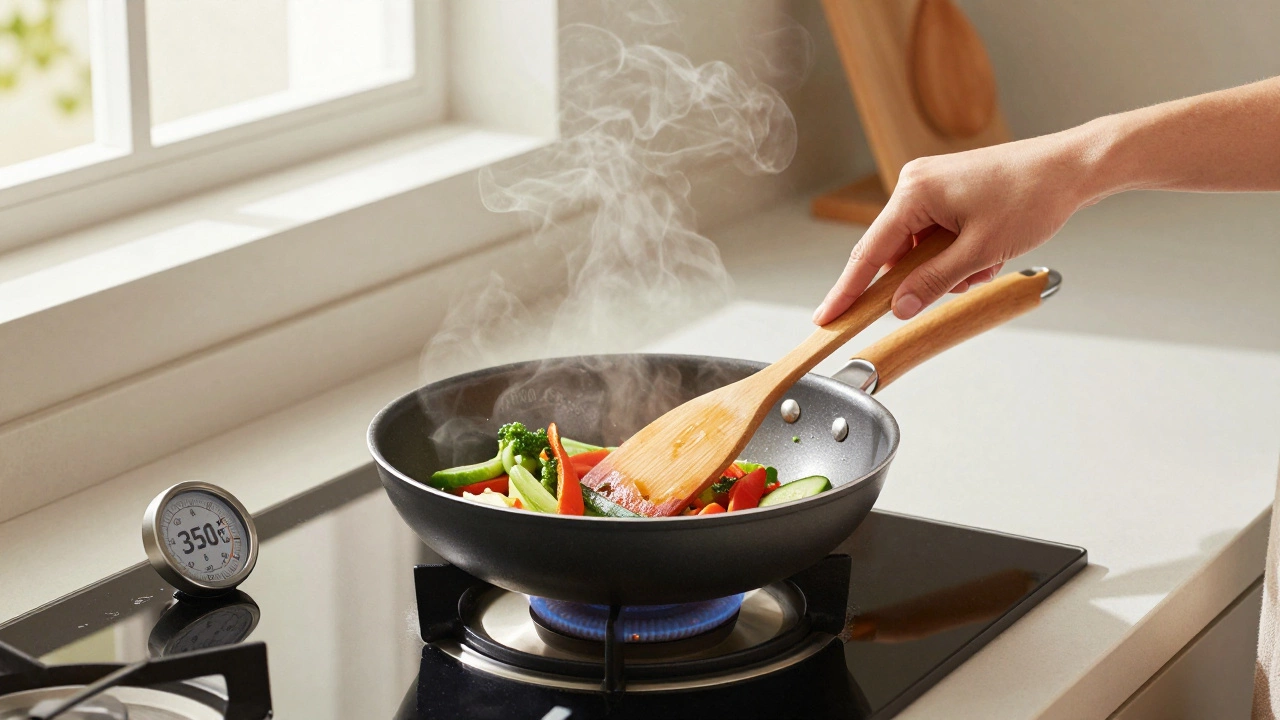
Non-stick pans are safe when used properly. The key is maintaining temperatures below 500°F (260°C). Above this temperature, PTFE coatings start to break down and release potentially harmful fumes.
Select a cooking method to see if it's safe for your non-stick pan.
For years, non stick pans have been the go-to for easy cleanup and low-fat cooking. But every few years, a new headline pops up: non stick pans are toxic. Are they still dangerous? The answer isn’t simple - and it depends on what’s inside your pan right now.
What’s actually in non stick pans?
Most non stick coatings today are made from fluoropolymers. The most famous one is PTFE - that’s the chemical behind the old Teflon brand. Back in the 2000s, PTFE was made using a chemical called PFOA, which was linked to cancer, liver damage, and thyroid problems. That’s why people panicked. But here’s the key fact: PFOA was completely phased out of non stick manufacturing in the U.S. and EU by 2015. If your pan was bought after 2016, it almost certainly doesn’t contain PFOA.
Modern non stick coatings use something called GenX or PFBS instead. These are newer alternatives designed to break down faster in the environment and carry less risk. The U.S. Environmental Protection Agency (EPA) and the European Food Safety Authority (EFSA) both say these newer chemicals are safe when used properly. That doesn’t mean they’re harmless if misused - but the danger isn’t from normal cooking.
When do non stick pans become risky?
The real issue isn’t the coating itself. It’s heat.
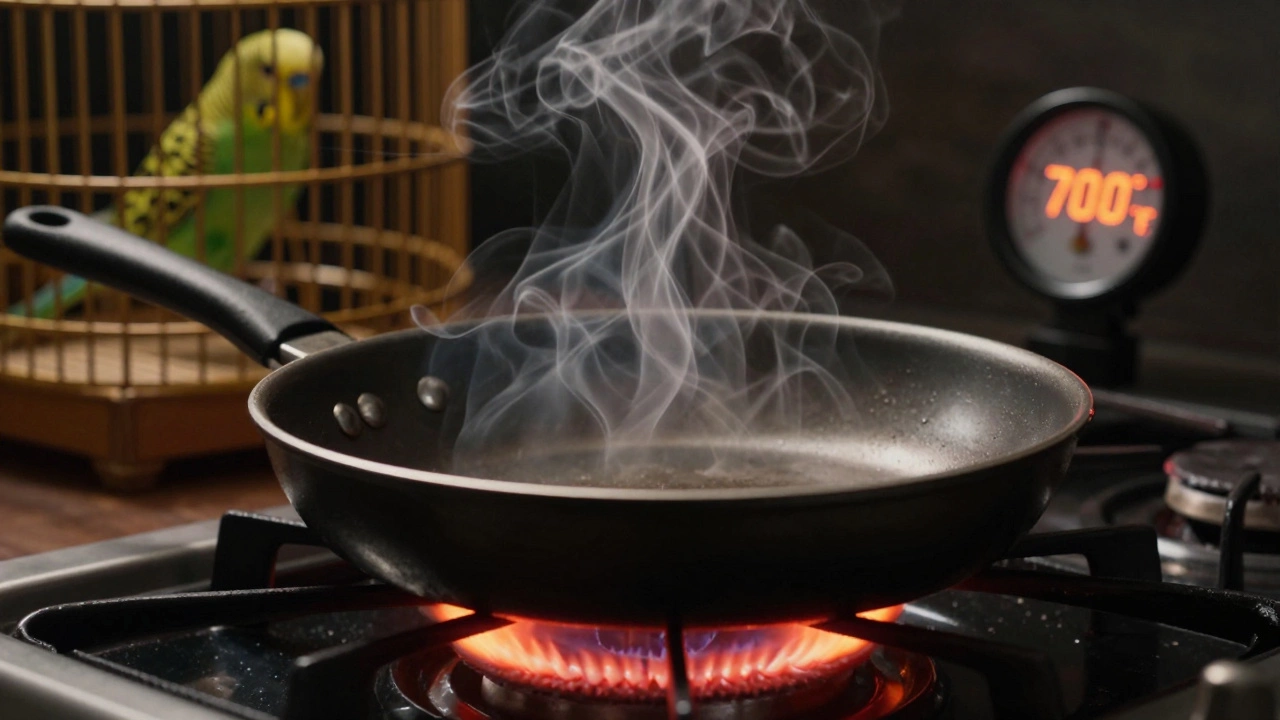
PTFE starts to break down at around 500°F (260°C). At that point, it releases toxic fumes. These fumes can cause temporary flu-like symptoms in humans - a condition called polymer fume fever. For birds, it’s deadly. That’s why parakeets and canaries often die in kitchens with overheated non stick pans.
So when does your pan hit 500°F? Let’s break it down:
- Normal sautéing: 300-375°F - safe
- Baking or roasting: 400-450°F - still safe
- Broiling or searing: 500°F+ - risky
- Leaving an empty pan on a hot burner: can hit 700°F in minutes
Most home cooks never go above 450°F. But if you preheat an empty pan on high heat, or use it for searing steak without oil, you’re flirting with danger. The solution? Never leave a non stick pan empty on the stove. Always add oil or food before turning on the heat.
What about scratched or peeling pans?
Scratches don’t make your pan toxic. If the coating flakes off, you’re not ingesting poison. PTFE is chemically inert - meaning it passes through your body without being absorbed. The FDA has tested this. You might swallow a tiny flake, but it won’t harm you. It’ll just come out in your stool.
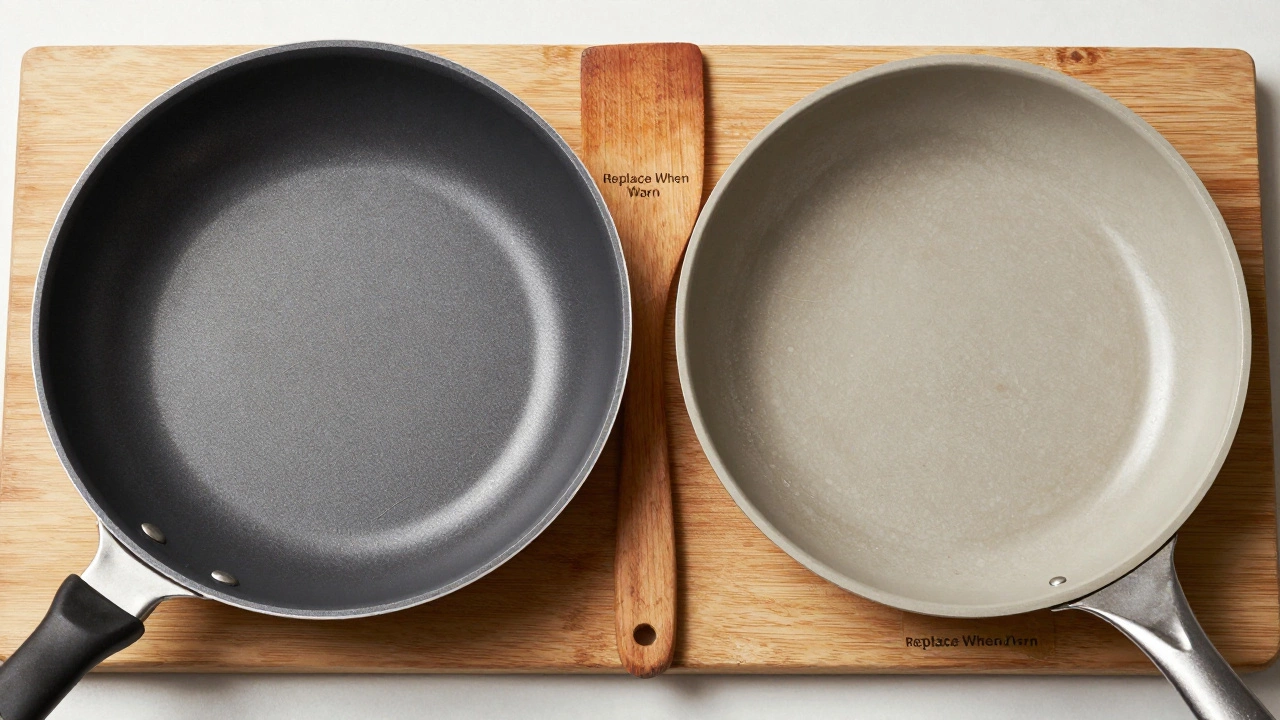
That said, if the coating is peeling badly, it’s time to replace the pan. Why? Because the surface doesn’t work well anymore. Food sticks, you end up scrubbing harder, and you’re more likely to overheat the pan trying to clean it. It’s not a health risk - it’s a performance issue.
Are ceramic non stick pans safer?
Ceramic-coated pans became popular as a “chemical-free” alternative. But they’re not magic. Many ceramic coatings are made with silica, which is naturally occurring and harmless. But some brands use silicon-based compounds that are chemically similar to PTFE. And here’s the catch: ceramic coatings wear out faster. After 6-12 months of regular use, they start to lose their non stick properties - sometimes unevenly.
There’s no evidence ceramic pans release toxic fumes at high heat. But they also don’t last as long. If you’re looking for durability, a well-made PTFE pan will outlast a ceramic one by years. If you’re worried about chemicals, modern PTFE without PFOA is just as safe.
What should you look for when buying a new pan?
Not all non stick pans are created equal. Here’s what to check before you buy:
- Look for “PFOA-free” on the label - even though it’s standard now, it’s still a good sign the brand follows safety standards
- Check the manufacturer’s max temperature rating - if it says 450°F or lower, avoid using it for broiling
- Choose pans with thick, heavy bottoms - they heat more evenly and reduce hot spots
- Buy from reputable brands like T-fal, All-Clad, or Calphalon - cheap knockoffs often skip quality control
- Avoid metal utensils - use wood, silicone, or plastic to protect the coating
Price matters. A $15 pan from a discount store might seem like a deal, but if the coating peels in six months, you’re paying more per use. A $40-$60 pan from a trusted brand will last 5-8 years with proper care.
How to care for your non stick pan
Simple habits make a big difference:
- Always preheat on low or medium - never high
- Add oil or butter before turning on the heat
- Use wooden or silicone spatulas - never metal
- Hand wash with soft sponge - no steel wool
- Dry immediately after washing - moisture causes coating breakdown
- Store with a paper towel between pans to prevent scratching
If you follow these steps, your pan will last longer and stay safer. Most people replace their pans too early because they don’t know how to care for them.
Alternatives to non stick
If you still feel uneasy, there are other options:
- Cast iron: Naturally non stick when seasoned well. Needs maintenance, but lasts generations.
- Stainless steel: Great for browning, but requires technique to prevent sticking. Use enough oil and preheat properly.
- Carbon steel: Similar to cast iron but lighter. Popular with professional chefs.
These options don’t have synthetic coatings, so they’re not subject to the same concerns. But they require more effort. If you don’t mind the extra steps, they’re excellent long-term choices.
Bottom line: Are non stick pans still unhealthy?
No - not if you buy a modern pan and use it right.
The old fears about Teflon and cancer were based on outdated chemistry. Today’s non stick coatings are safe for everyday use. The real risks come from misuse: overheating, using metal tools, or buying cheap, untested brands.
As long as you keep your pan under 450°F, don’t preheat it empty, and replace it when the coating wears out, you’re not putting your health at risk. Millions of people cook with non stick pans every day without issue. The science backs it up. The fear is outdated.
Don’t throw away your pan because of a headline. Throw it away when it stops working - not because of a myth.