Are Cheap Mirrors Any Good? A Practical Buyer's Guide
Mirror Quality & Value Estimator
Not sure if you should buy the $40 mirror or spend $250? Select your scenario below to get a recommendation.
Your Scenario
Select options and click "Analyze" to see recommendations.
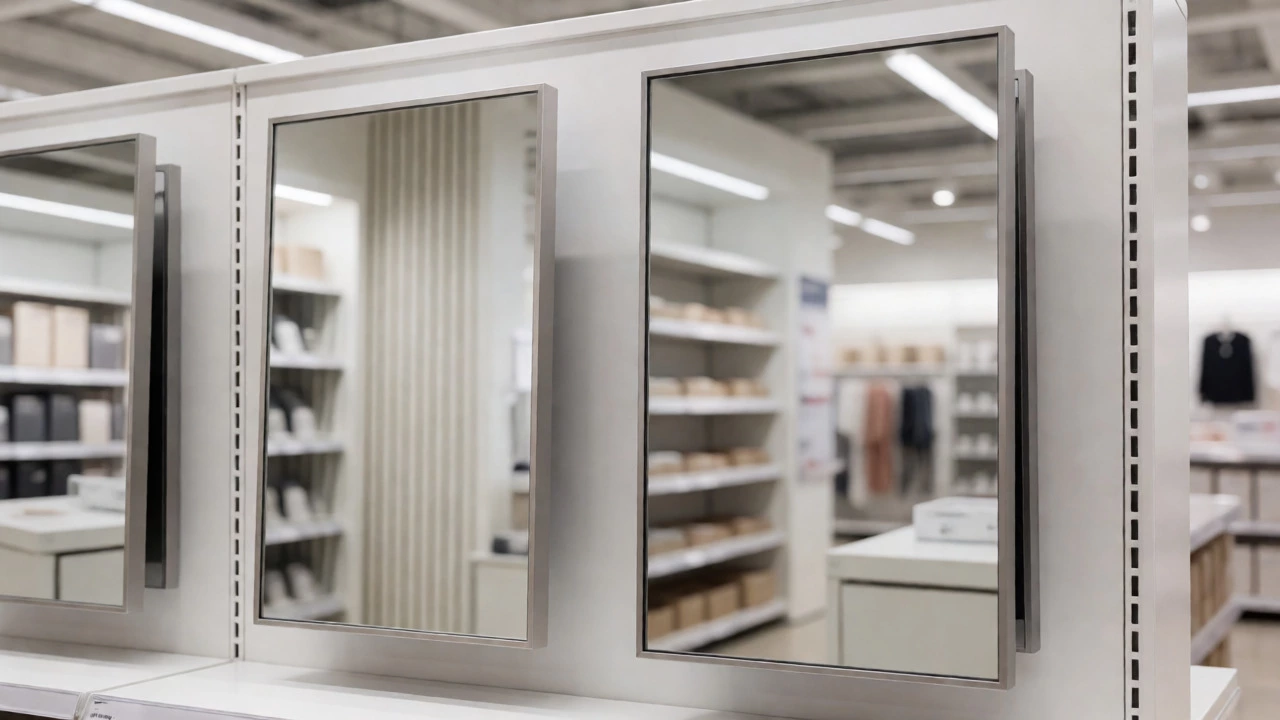
You walk into a big-box store or scroll through an online marketplace, and you see two mirrors. One costs $40. The other costs $250. They look identical from three feet away. You pick up the cheap one, squint at your reflection, and think, "Is this really that different?" It’s a fair question. After all, a mirror is just glass with a shiny coating on the back. How much can it vary?
But here’s the thing: not all mirrors are created equal. And when we talk about "cheap," we’re usually talking about mass-produced, thin-glass options found in discount retailers or fast-furniture chains. Are they garbage? Not always. Are they premium? Definitely not. The answer depends entirely on what you need them to do for you.
The Physics of Reflection: Why Thickness Matters
Most people assume the quality of a mirror comes down to how clear the glass is. While clarity matters, the real culprit behind bad reflections is often the glass thickness and how it’s mounted. Standard household mirrors typically use glass that is either 3mm (1/8 inch) or 6mm (1/4 inch) thick. High-end architectural mirrors might use 10mm or thicker, but that’s overkill for most homes.
The problem with cheap mirrors isn’t necessarily the material itself-it’s the manufacturing tolerance. When glass is too thin or unevenly tempered, it flexes slightly under its own weight or due to temperature changes. This flexing causes distortion. You know that wavy, funhouse-mirror effect where your face looks stretched vertically? That’s rarely because the glass is "bad." It’s because the glass is thin and unsupported, allowing it to bow slightly against the wall.
| Feature | Cheap Mirror (Mass Market) | Mid-Range Mirror | High-End Mirror |
|---|---|---|---|
| Glass Thickness | 3mm - 4mm | 5mm - 6mm | 6mm+ |
| Coating Method | Silver nitrate spray (often inconsistent) | Vacuum metallization (Silver) | Vacuum metallization (Copper-free Silver) |
| Distortion Risk | High (especially in large sizes) | Low | Negligible |
| Lifespan | 2-5 years (risk of black edge) | 10+ years | 20+ years |
The Coating Secret: Silver vs. Aluminum
Let’s get technical for a second, but keep it simple. Behind the glass, there’s a reflective layer. Historically, this was made using a process called "silvering," where silver nitrate is chemically deposited onto the glass. Today, many cheaper mirrors use aluminum vacuum deposition. Is aluminum worse? Not necessarily. In fact, high-quality aluminum coatings are incredibly durable and bright.
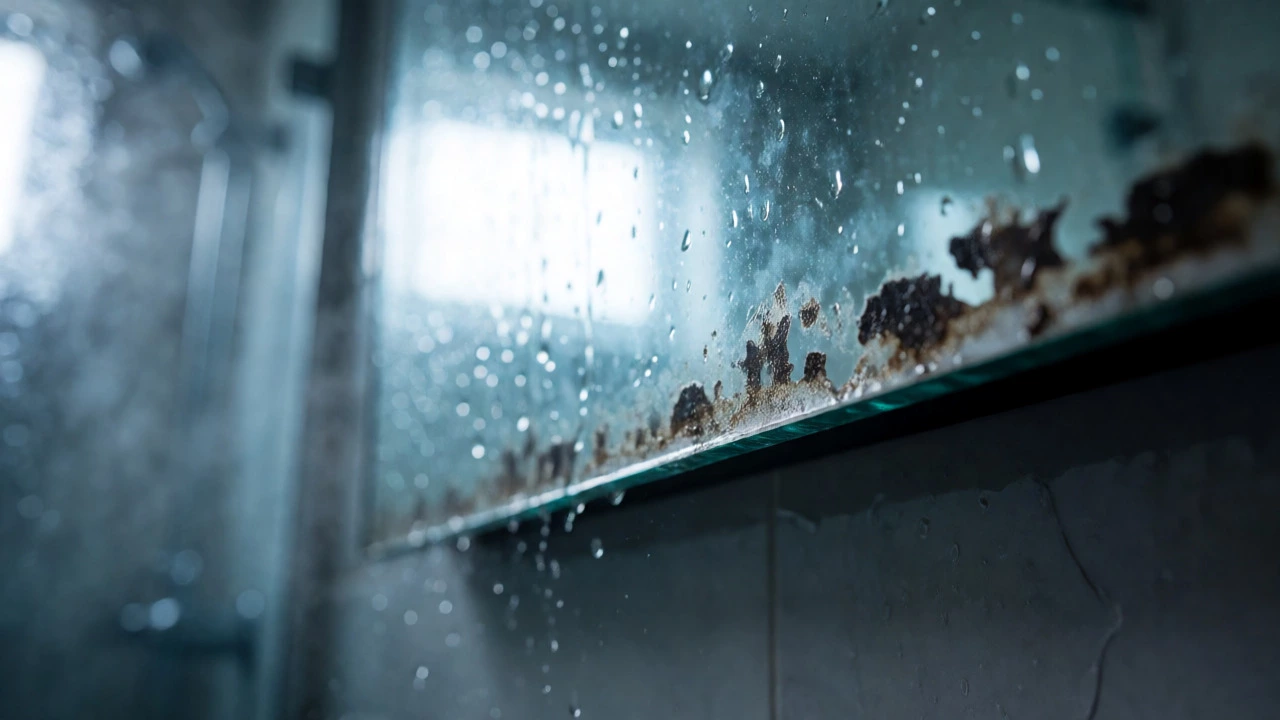
Where cheap mirrors fail is in the protection layers. A good mirror has multiple coats of paint and sealant on the back to protect the metal from moisture and oxidation. Cheap mirrors often skimp on these backing layers. Over time, especially in humid environments like bathrooms, moisture seeps in around the edges. This causes "black edge," where the corners turn dark and flaky. It’s ugly, and once it starts, it spreads fast.
If you live in a dry climate, a cheap mirror might last a decade without issue. But if you’re hanging it near a shower in Wellington’s damp air, expect trouble within three years. The lack of copper-free backing (a common feature in premium mirrors) means the silver layer oxidizes faster when exposed to humidity.
When Cheap Mirrors Actually Work Well
So, should you throw out every $30 mirror you own? No way. There are specific scenarios where buying budget-friendly works perfectly fine.
- Small Accent Pieces: If you’re buying a small round mirror for a hallway entryway, distortion is less noticeable because the surface area is small. The glass doesn’t have enough span to warp significantly.
- Decorative Frames: Sometimes you’re paying for the frame, not the glass. If you find a vintage-style gold frame with a basic mirror insert for $50, that’s a steal. You can even replace the glass later if needed.
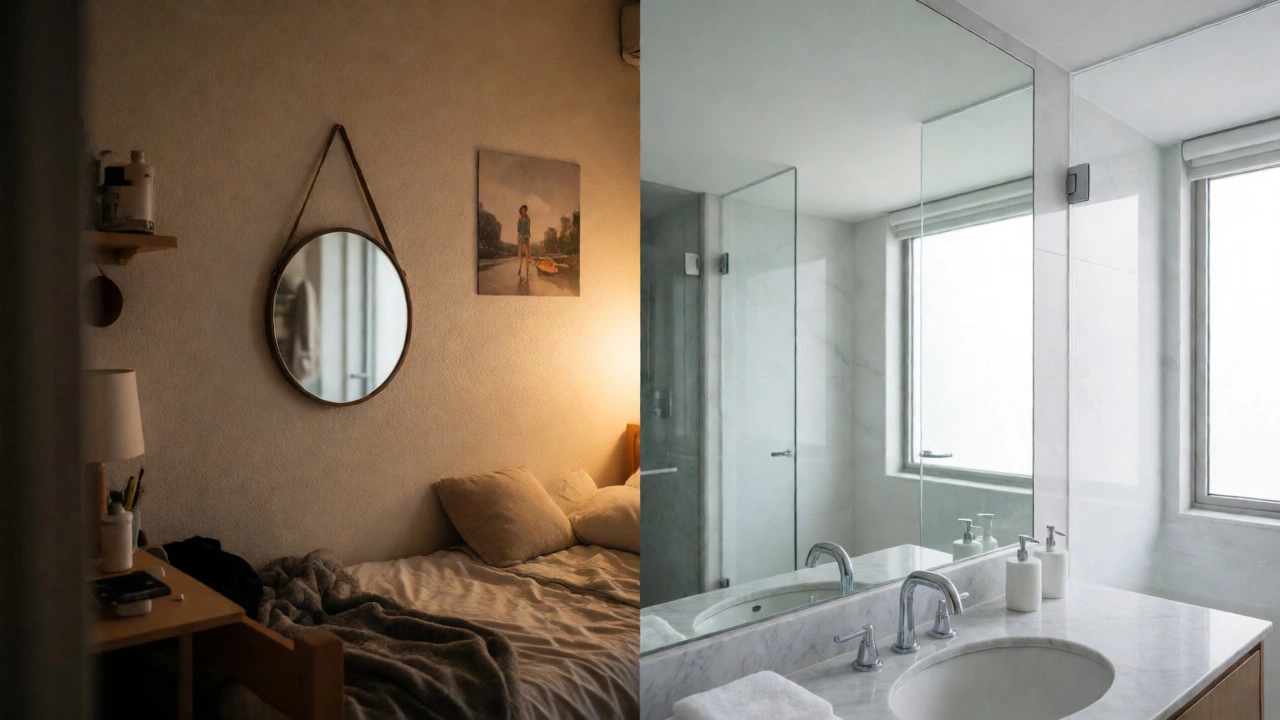
- Temporary Spaces: Renters, dorm rooms, or short-term Airbnb setups don’t need heirloom-quality optics. As long as it reflects light and lets you check your hair, it’s doing its job.
- Full-Length Functional Use: For checking outfits, slight distortion is tolerable. Unless you’re a model checking pixel-perfect details, a 4mm mirror will show you whether your shirt matches your pants just fine.
When to Spend More
There are times when going cheap actually costs you more in frustration or aesthetics. Here’s when you should dig deeper into your wallet.
Bathrooms and Humid Zones: Moisture is the enemy of cheap mirrors. Invest in a mirror with sealed edges and a moisture-resistant backing. Look for terms like "copper-free" or "marine-grade" backing. These resist black edge corrosion far better than standard painted backs.
Large Wall Installations: If you’re buying a mirror larger than 24x36 inches, go for at least 5mm or 6mm glass. Thin glass on a large surface acts like a trampoline. Any slight wave in the wall behind it transfers directly to the reflection. A thicker pane stays rigid, keeping your reflection straight.
Professional Use: Makeup artists, barbers, or anyone who needs color accuracy should avoid low-end mirrors. Cheaper glass sometimes has a greenish tint (due to iron content in the sand used for glassmaking). This alters skin tones and makeup colors. Low-iron glass (often branded as Starphire or Diamant) is clearer but pricier. For daily grooming, standard glass is fine; for professional work, clarity is non-negotiable.
How to Spot a Bad Mirror Before You Buy
You don’t need a lab to test mirror quality. You can spot issues in the store with a few simple checks.
- The Straight Edge Test: Hold the mirror up and look at a straight line in the room-a door frame, a tile grout line, or a bookshelf edge. Does it curve or wiggle in the reflection? If yes, the glass is warped. Put it back.
- The Fingertip Gap: Touch your finger to the mirror surface. In a high-quality mirror, the gap between your finger and its reflection is minimal. In lower-quality mirrors with a protective plastic film or poor bonding, the gap might be wider, creating a double-image effect.
- Check the Backing: Flip it over. Is the backing smooth and evenly painted? Or is it rough, patchy, or showing raw metal spots? Uneven backing leads to hotspots of corrosion later.
- Inspect the Edges: Run your finger along the polished edge. It should be smooth and cool. If it feels sharp, jagged, or has visible chips, the polish job was rushed. Poor polishing weakens the structural integrity, making the mirror more prone to cracking during installation.
Installation Tips to Save Your Budget Mirror
Even a mediocre mirror can look great if installed correctly. Most distortion complaints come from improper mounting, not the product itself.
Never glue a cheap mirror directly to drywall with construction adhesive unless you know exactly what you’re doing. Adhesive can pull on the glass unevenly, causing stress fractures or warping. Instead, use mechanical fasteners-screws with rubber washers or specialized mirror clips. These allow the glass to sit flat against the wall without being pulled tight by chemical bonds.
Also, ensure the wall is flat. If your wall has bumps or dips, a thin mirror will conform to those imperfections, amplifying the distortion. For very uneven walls, consider adding a plywood backing board first to create a smooth surface before mounting the mirror.
The Verdict: Value vs. Quality
Are cheap mirrors any good? Yes, but with caveats. They are functional tools that reflect light and images adequately for casual use. They are not precision optical instruments. If you treat them as decorative accessories rather than permanent fixtures, they offer excellent value.
Think of it like shoes. You wouldn’t wear $20 flip-flops to hike Mount Cook, but they’re perfect for lounging at the beach. Similarly, don’t hang a $30 mirror in a luxury master bathroom expecting it to elevate the space. But for a guest bedroom, a closet, or a quick refresh in a rental, it does the job without breaking the bank.
My advice? Buy mid-range for bathrooms and large focal points. Go cheap for small accents and temporary spaces. And always, always check for distortion in the store. It takes ten seconds and saves you months of annoyance.
Why do cheap mirrors distort my reflection?
Cheap mirrors often use thinner glass (3mm or less) which is more flexible. This flexibility allows the glass to bend slightly under its own weight or due to uneven wall surfaces, creating a wavy or distorted reflection similar to a funhouse mirror.
What is 'black edge' on a mirror?
Black edge is a form of corrosion where the metallic coating on the back of the mirror oxidizes and turns black, usually starting at the edges. It happens when moisture penetrates the protective backing layers, which are often thinner or less durable in cheaper mirrors.
Is aluminum coating worse than silver coating?
Not necessarily. High-quality aluminum coatings are durable and bright. However, cheap mirrors may use inferior application methods or lack proper protective layers, making them more susceptible to damage than properly manufactured silvered mirrors.
Can I fix a distorted mirror?
Sometimes. If the distortion is caused by the mirror bending against an uneven wall, installing it on a flat plywood backing can help. However, if the glass itself is warped from manufacturing defects, it cannot be fixed.
How long do cheap mirrors last?
In dry conditions, a cheap mirror can last 5-10 years. In humid environments like bathrooms, signs of degradation such as black edge or cloudiness may appear within 2-3 years due to inadequate moisture protection.